The Benefits of Professional Roof Inspections for Real Estate Transactions
Buying or selling a property is a huge milestone. But the roof—often overlooked—can be the dealmaker or dealbreaker. Imagine sealing the deal, only to discover a hidden leak or structural flaw. Nobody wants that kind of surprise.
At Shindo Trust Roofing, we’ve seen firsthand how a thorough inspection can save both buyers and sellers from headaches, negotiations gone sideways, and unexpected expenses down the road. Let’s break down why a professional roof inspection is more than just a box to check in your real estate journey.
Why Inspect Before You Sell or Buy?
A roof is like the lid on a treasure chest. If it’s not secure, everything inside is at risk. For buyers, a solid inspection means peace of mind. For sellers, it’s about transparency and avoiding last-minute renegotiations.
No one likes to discover a problem after the paperwork is signed. A professional inspection arms both parties with facts—not guesses—so everyone knows exactly what’s overhead.
The Power of Transparency in Real Estate
Transparency isn’t just a buzzword. In real estate, it’s the glue that holds trust together. When a seller provides a detailed roof inspection report, it signals honesty and confidence. Buyers can move forward without second-guessing, and sellers reduce their liability.
A clear report also smooths out negotiations. Instead of haggling over what-ifs, both sides can focus on real numbers and real solutions.
What’s Included in a Professional Roof Inspection? 🧐
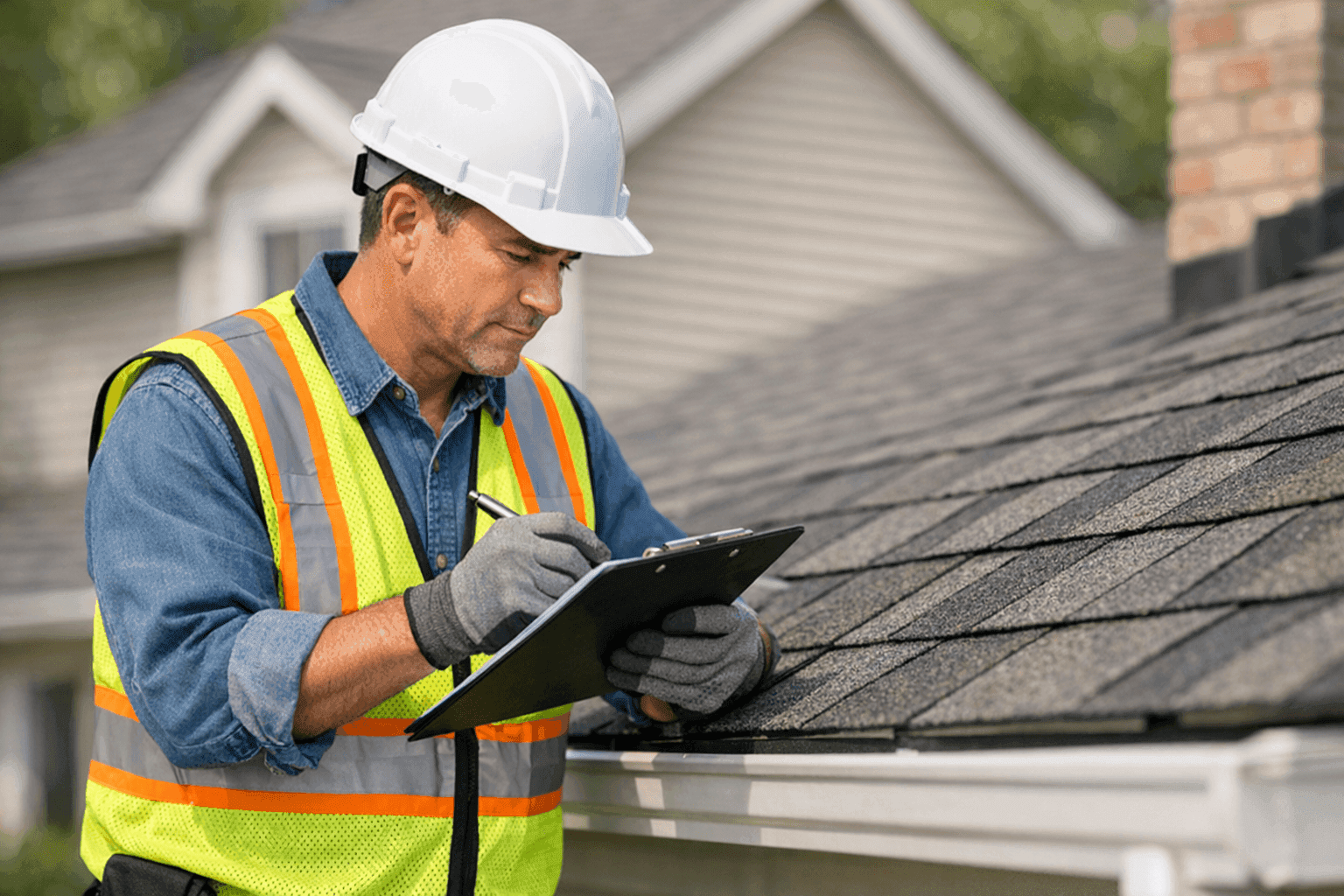
A certified roof inspector does more than glance at shingles. Here’s what you can expect from professional roof inspections:
- Exterior review: Shingles, tiles, or metal panels are checked for cracks, curling, missing pieces, or rust.
- Flashing and sealants: Areas around chimneys, vents, and skylights are inspected for gaps or deterioration.
- Gutters and downspouts: Proper drainage is essential to prevent water damage.
- Attic and insulation: Inspectors look for leaks, mold, and signs of poor ventilation.
- Structural integrity: Sagging, rot, or other signs of weakness are noted.
- Safety hazards: Loose materials, exposed nails, and other risks are flagged.
The final report includes photos, detailed notes, and recommendations—giving you a roadmap for next steps.
Inspection Checklist: What Pros Look For
Every roof tells a story. Inspectors follow a consistent checklist, often referencing standards from the National Roofing Contractors Association (NRCA) and the International Association of Certified Home Inspectors (InterNACHI):
- Age and type of roofing material
- Condition of shingles or tiles
- Flashing around chimneys, vents, and skylights
- Signs of leaks or water stains inside and out
- Proper attic ventilation
- Gutter and downspout function
- Evidence of storm or animal damage
This checklist helps ensure no critical detail is missed.
Common Findings That Can Change a Deal
Some issues are easy to fix. Others can halt a sale in its tracks.
- Minor repairs: A few missing shingles, clogged gutters, or cracked sealant.
- Moderate concerns: Damaged flashing, small leaks, or early signs of rot.
- Major problems: Widespread water damage, mold, sagging rafters, or structural failure.
Many buyers renegotiate or request roof repair services based on what’s found. Sellers who address these issues early often enjoy smoother, faster closings.
How to Use the Inspection Report in Negotiations
A roof inspection report is like a flashlight in a dark attic. It shows what’s really there—good and bad.
- Buyers: Use the report to ask for repairs, price reductions, or credits at closing.
- Sellers: Show the report to demonstrate transparency, or fix issues before listing to boost your home’s value.
Either way, the report becomes a powerful tool for honest, informed negotiation.
DIY vs. Professional: Why Certified Inspections Matter
Climbing a ladder and peeking at your roof is a start, but it’s not enough. Certified inspectors have training, experience, and safety equipment. They know where to look for hidden trouble—like soft spots under shingles or subtle signs of water intrusion.
Plus, a professional report carries weight with lenders, insurers, and real estate agents. It’s proof, not just opinion.
Safety First: Why Inspections Protect Everyone
A neglected roof can hide more than leaks. Mold, rot, and structural weakness can threaten the safety of everyone inside. By catching these hazards early, inspections protect families, tenants, and investments.
The Occupational Safety and Health Administration (OSHA) and local building codes set clear standards for roof safety. Following these guidelines isn’t just smart—it’s required.
When to Schedule a Roof Inspection
Timing matters. Here are the most common scenarios:
- Before listing a home: Sellers can fix issues in advance and avoid last-minute delays.
- During the buyer’s due diligence: Buyers get a clear picture before committing.
- After a major storm: Wind, hail, or heavy rain can cause hidden damage.
- If the roof is over 10 years old: Age increases the risk of problems.
Seasonal Considerations: Weather and Inspections 🌦️
Roofing materials react differently to heat, cold, rain, and snow. Inspections in spring or fall often reveal winter damage or prepare a roof for harsh weather ahead.
And if you’re scheduling roof inspections in Eugene or the surrounding region, it’s smart to plan around the rainy season for the most accurate results.
Preventing Surprises: The Value of Early Detection
Think of a roof inspection as a smoke detector for your property. It catches issues before they become emergencies. Early detection means smaller repairs, fewer headaches, and less risk of a deal falling through.
Real-World Example: The Hidden Leak That Almost Killed a Sale
A recent seller thought their roof was fine. But our inspection found a slow leak around the chimney—hidden in the attic insulation. Fixing it cost a fraction of the potential price reduction the buyer was ready to demand. The sale closed on time, and both sides walked away happy.
How Inspections Support Insurance and Lending
Most insurers require proof of roof condition before issuing a policy. Lenders may also ask for inspection reports to protect their investment. A certified inspection satisfies these requirements and speeds up the approval process.
Timeline and Disruption: What to Expect
A typical inspection takes 1–2 hours, depending on roof size and complexity. There’s minimal disruption—no need to vacate the property. Inspectors may need attic access, so clear a path if possible.
Common Mistakes to Avoid
- Skipping the inspection to save money: Small savings now can mean big expenses later.
- Relying on a visual check only: Hidden damage is common.
- Ignoring minor issues: Small leaks grow into big problems.
What Happens After the Inspection?
If issues are found, you’ll get clear recommendations for next steps. This might mean basic maintenance, targeted repairs, or—if the roof is at the end of its life—considering a full replacement. For those repairs, you can learn more about the process and options through our overview of roof repair services.
When to Call an Expert: Local Support Matters
Not every roof problem is obvious, and some require urgent attention. If you’re unsure or facing storm damage, connecting with local roof experts Eugene property owners trust can make all the difference. Learn more about roof inspections in Eugene and how local support can help you act fast.
Final Thoughts: Peace of Mind for Buyers and Sellers
A professional roof inspection is more than a formality. It’s a smart move for anyone buying or selling property—saving money, reducing stress, and building trust on both sides of the table.
Call Shindo Trust Roofing now — or reach us anytime at 888-698-1884 .