Shingle Roofing: Pros, Cons, and Lifespan Explained
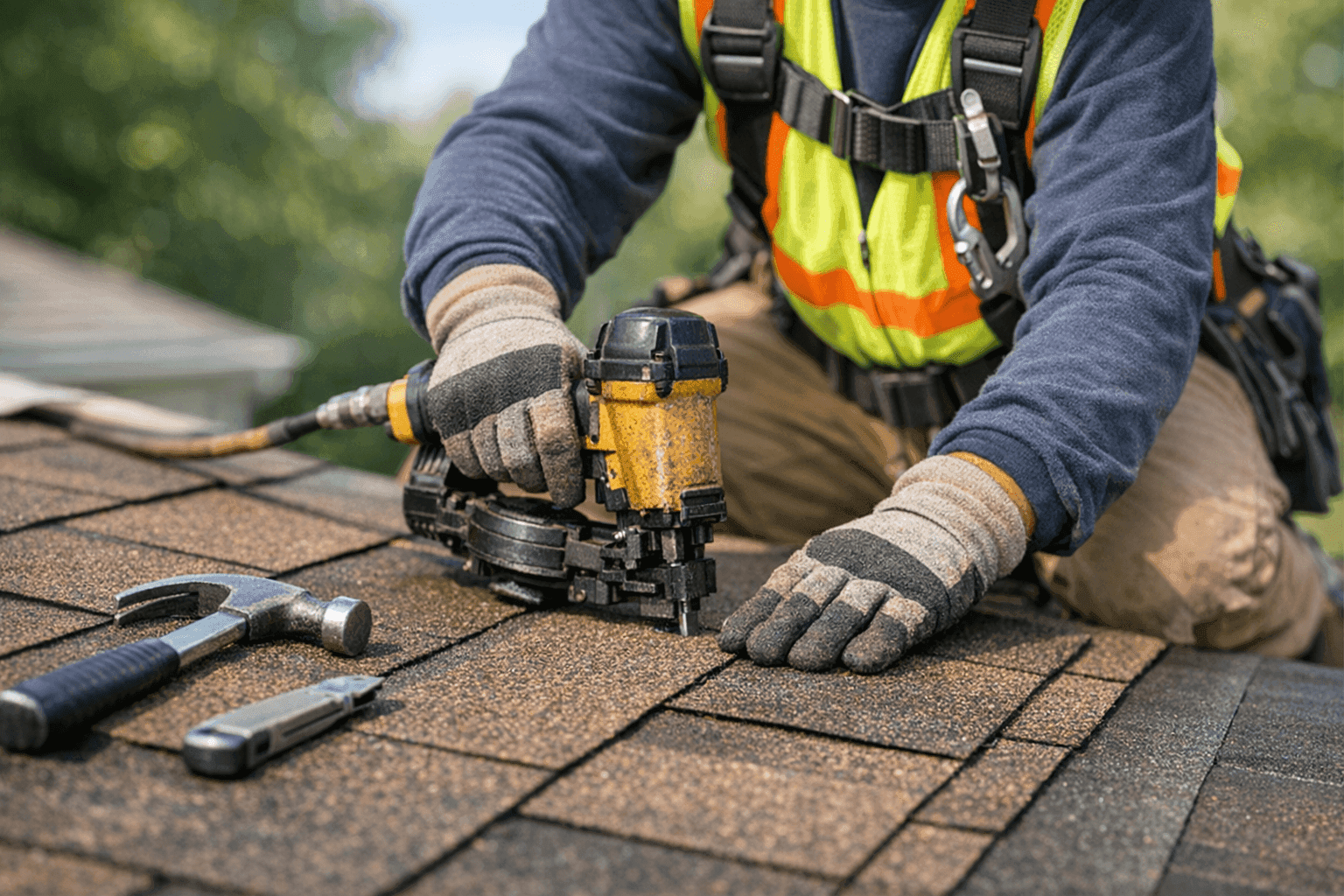
Choosing a new roof can feel like standing at a crossroads during rush hour—each path looks right until you remember the twists and turns ahead. Homeowners and business owners both ask the same questions: Will shingle roofing stand up to storms? How long before repairs become routine? Can it keep up with the changing seasons?
At Shindo Trust Roofing, we’ve seen every roof scenario under the sun and know that the right information is your best tool. Let’s break down shingle roofing so you can make confident decisions about your property.
The Basics: What Is Shingle Roofing?
Shingle roofing covers most homes and many commercial buildings across North America. These overlapping, rectangular pieces come in several materials—each with its own perks and pitfalls.
- Asphalt shingles: The most common, affordable, and easy to install.
- Composite shingles: Made from a blend of materials, often designed to mimic slate, wood, or tile.
- Specialty shingles: Think impact-resistant, architectural, or cool-roof variants.
The installation process is methodical—like laying bricks, but overhead and with the weather as a wild card.
Pros of Shingle Roofing 🏡
Why do so many property owners choose shingle roofs? Here’s what stands out:
- Affordability: Asphalt shingles are budget-friendly upfront.
- Quick installation: Most residential jobs wrap up in just a few days.
- Versatility: Works with a variety of architectural styles and roof slopes.
- Repairable: Damaged areas can often be fixed without a full replacement.
- Color selection: A wide palette to match almost any exterior.
- Code compliance: Meets most local building codes with ease.
For many, it’s the balance of simplicity and reliability that seals the deal.
Cons of Shingle Roofing
No roof is perfect. Here’s where shingles can fall short:
- Shorter lifespan: Compared to metal or tile, shingles may need replacing sooner.
- Storm vulnerability: High winds can lift or tear shingles.
- Moss and algae: Especially in shaded, damp areas.
- Heat absorption: Dark shingles can raise attic temperatures.
- Recycling challenges: Not all asphalt shingles are easily recycled.
Think of it as buying a solid family car. It gets the job done, but won’t last as long as a luxury model.
Asphalt Shingles: The Industry Standard
Asphalt shingles are the go-to for both shingle roofing near you and nationwide projects. Why? They’re lightweight, straightforward to repair, and come in 3-tab, architectural, or luxury types.
- Average lifespan: 15–30 years (varies by quality and local conditions)
- Cost: Lower than most alternatives
- Maintenance: Annual inspections, prompt leak fixes, and debris removal
The National Roofing Contractors Association (NRCA) considers asphalt shingles a practical choice for most climates, provided installation follows manufacturer specs and local codes.
Composite Shingles: Blending Durability and Style
Composite shingles are the chameleons of the roofing world. Made from a mix of recycled plastics, fiberglass, and other materials, they’re designed to mimic higher-end materials—without the same price tag or weight.
- Average lifespan: 30–50 years
- Cost: Mid-range; higher than asphalt, lower than slate or tile
- Resilience: Superior resistance to cracking, fading, and impact
For residential or commercial properties requiring a custom look and extra longevity, composites offer an attractive middle ground.
Comparing Shingle Roofing to Other Materials
Every roof type has its place. Here’s how shingle roofing stacks up:
- Metal roofing: Lasts 40–70 years, resists fire and wind, but costs more up front and can be noisy.
- Tile roofing: Beautiful and ultra-durable (50–100 years), but heavy and costly to install.
- Flat roofs (membrane or built-up): Practical for many commercial buildings, but require specialized care and may have shorter lifespans.
- Wood shingles or shakes: Natural look, but prone to fire and requires regular treatment.
Shingle roofing often wins on installation speed, cost, and repairs—especially for sloped roofs.
Cost-to-Value: What You Get for Your Investment
A new shingle roof can be a smart investment, but the payback depends on:
- Material grade: Architectural and impact-resistant shingles last longer and boost curb appeal.
- Installation quality: Proper underlayment and flashing prevent leaks.
- Warranty options: Manufacturer warranties vary—read the fine print.
- Resale value: A new roof is a strong selling point for both homes and businesses.
According to the Remodeling 2024 Cost vs. Value Report, new asphalt shingle roofs recoup about 60–68% of their cost at resale—higher in storm-prone regions.
Maintenance Needs: Keep Problems at Bay 🧰
Regular maintenance keeps your roof humming along:
- Remove debris: Especially after storms or in the fall.
- Inspect for damage: Look for curling, cracked, or missing shingles.
- Clean gutters: Prevent water backup and ice dams.
- Check flashing: Around chimneys, skylights, and vents.
- Trim overhanging branches: Reduces moss, algae, and impact risk.
Annual or semi-annual inspections, like those recommended by the International Association of Certified Home Inspectors (InterNACHI), help catch issues early.
Durability in Different Climates
Shingle durability depends largely on location:
- Hot climates: UV rays can dry out and crack shingles faster.
- Cold regions: Freeze-thaw cycles, ice dams, and snow load stress the roof.
- Windy areas: Look for shingles rated for higher wind speeds.
- Humid zones: Algae-resistant shingles help prevent streaking and moss.
Always match your shingle choice to your local environment. Some brands offer region-specific products to ward off local weather challenges.
Shingle Roofing for Residential vs. Commercial Properties
For homes, shingle roofing offers familiar looks and fast installation. For commercial properties—especially ones with pitched roofs—shingles can provide an affordable alternative to metal or membrane roofs.
- Residential: Focus on curb appeal, attic ventilation, and energy costs.
- Commercial: Consider building codes, fire ratings, and foot traffic needs (for rooftop equipment).
Flat or low-slope commercial roofs may require alternatives, but shingle roofing is a solid pick for many small businesses and multi-family properties.
Safety First: Installation and Repair Checklist
Roof work is no place for shortcuts. The Occupational Safety and Health Administration (OSHA) outlines key requirements:
- Proper fall protection gear
- Ladder safety
- Weather awareness: Never work on wet or icy roofs
- Electrical hazard checks: Especially near power lines
Even small repairs should follow manufacturer guidelines to maintain warranty coverage.
Common Shingle Roofing Mistakes
We’ve seen a few “DIY disasters” over the years:
- Improper nailing: Too few, too many, or wrong placement can void warranties.
- Skipping underlayment: Leads to leaks and rot.
- Bad flashing installs: Causes leaks at roof joints.
- Layering new shingles over old: Traps moisture and weighs down the structure.
If you’re not certain, call a pro. The cost of fixing mistakes can easily outweigh the savings of DIY.
Signs It’s Time for Repairs or Replacement
Your roof talks—sometimes with a whisper, sometimes a shout:
- Missing, cracked, or curling shingles
- Granules collecting in gutters
- Visible sagging or soft spots
- Persistent leaks, even after repairs
- Mold or algae growth
Routine checks, especially after big storms, keep small issues from becoming headaches.
When Repairs Aren’t Enough: Replacement Guidance
Roofs age like old boots—eventually, patching doesn’t cut it. Here’s when replacement is the wiser move:
- Age: If your asphalt roof is pushing 20–25 years.
- Widespread damage: Multiple leaks, sagging, or missing shingles throughout.
- Mold or rot: Especially if it’s in the decking or structure.
- Major storm damage: Insurance may recommend full replacement.
Every case is unique. For a deeper dive into the process, our roof replacement service guide outlines what to expect, from tear-off to the final shingle.
Emergency Situations and Local Support
When storms hit or leaks appear overnight, timing matters. Shindo Trust Roofing provides emergency roof services for both residential and commercial clients. If you’re in the Castle Rock area, local support is available no matter the season—peace of mind is never far away.
Practical Tips for Prolonging Shingle Roof Life 🛠️
- Schedule regular inspections—twice a year is ideal.
- Address repairs promptly—don’t let small leaks grow.
- Keep gutters and downspouts clear—prevents water damage.
- Choose quality materials—cheaper isn’t always better in the long run.
- Ventilate attics properly—reduces heat and moisture buildup.
The National Roofing Contractors Association and International Residential Code (IRC) both recommend these best practices to keep roofs performing their best.
When to Call Shindo Trust Roofing
Whether you manage a busy office or call a quiet neighborhood home, your roof’s health matters. When repairs pile up or the shingles start to show their age, it’s time to weigh your options. Our team helps you decide if a fix will suffice—or if it’s time for a new beginning.
Call Shindo Trust Roofing now — or reach us anytime at 888-698-1884 .