How to Spot Roof Damage After a Storm
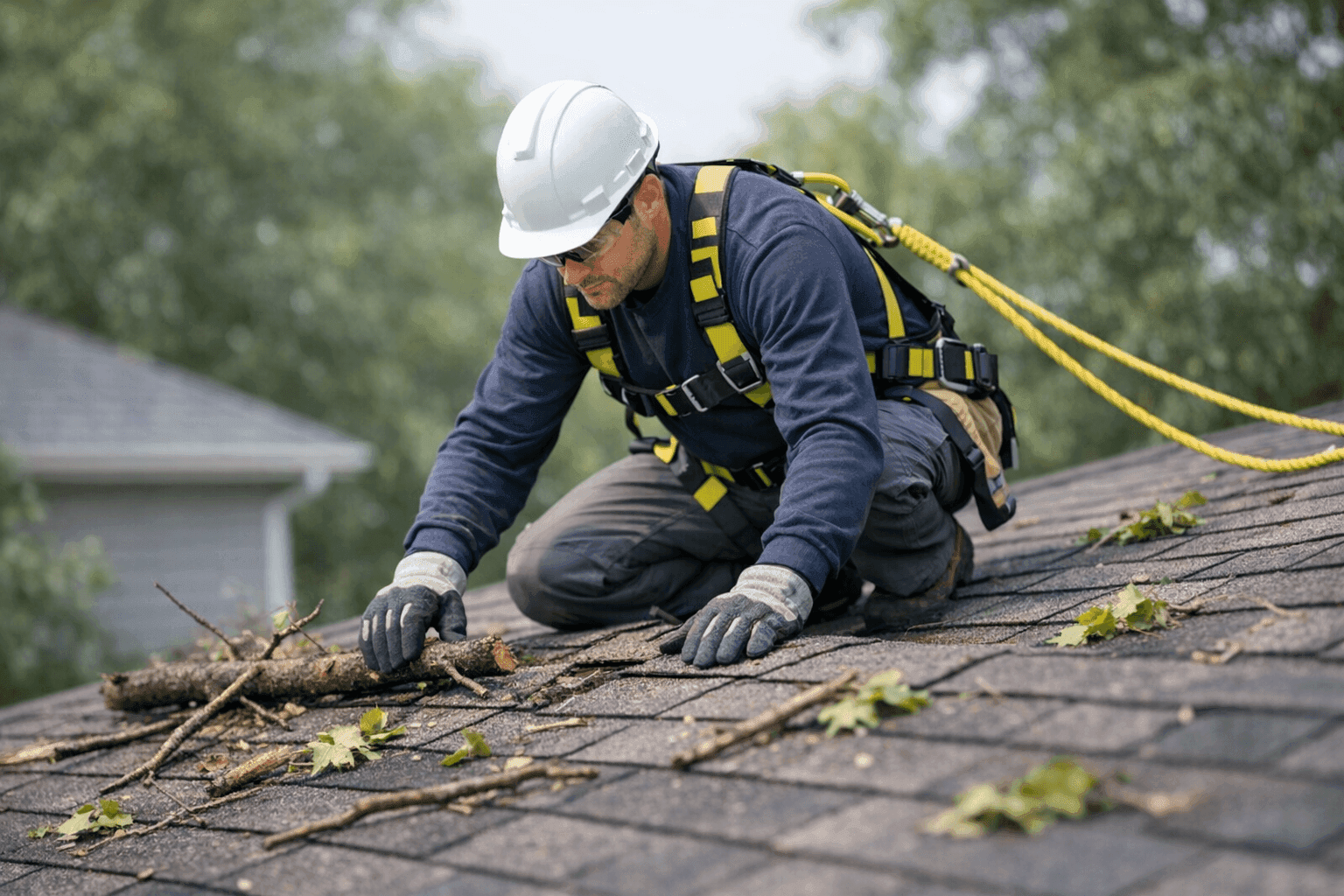
When the sky clears and the wind dies down, you’re left with more than just puddles and scattered branches. Storms can leave behind silent trouble on your roof—trouble that isn’t always obvious from the driveway. At Shindo Trust Roofing, we’ve seen firsthand how quickly small problems can snowball into costly repairs.
Your roof is your home or business’s shield. Let’s walk through the safest, smartest way to spot roof damage after a storm—before leaks, mold, or insurance headaches set in.
The Aftermath: Why Storm Damage Isn’t Always Obvious
Storms are like uninvited guests. Sometimes they leave muddy footprints; other times, they sneak in and out, shifting a shingle or loosening a gutter where you’d least expect. Even if your roof looks fine from the street, hidden damage can lurk beneath the surface.
That’s why it’s essential to check your roof after severe weather. Missed issues today can mean major headaches tomorrow.
Safety First: How to Check Without Risking Yourself ⚠️
Before you grab a ladder, pause. Roofs can be slippery after rain or hail. Never climb up if you feel uneasy, if it’s still wet, or if you’re alone. Here’s a quick safety checklist:
- Use binoculars to inspect from the ground.
- Wear shoes with solid grip.
- Avoid stepping on the roof if you spot visible sagging or loose materials.
- Never go up in high winds or during lightning.
- If in doubt, call a professional.
The National Roofing Contractors Association (NRCA) recommends leaving steep or high roofs to the pros for good reason.
Wind Damage: What to Watch For
Wind can peel back shingles like pages in a book. Look for:
- Missing or shifted shingles.
- Shingles that curl at the edges.
- Exposed underlayment or nails.
- Dislodged ridge caps.
Wind lifts aren’t always dramatic. Sometimes, all it takes is a small gap for water to sneak in.
Hail Damage: Subtle Signs, Big Problems 🧊
Hail acts like a hammer, pounding your roof with ice marbles. Here’s what to check:
- Dark spots or bruises on shingles.
- Granule loss—look for bald patches.
- Dented metal flashing or gutters.
- Cracked or broken tiles (for tile roofing).
If you see what looks like peppered bruises, your roof may be compromised.
Debris Damage: When Branches and Objects Hit Home
Flying debris can puncture or scrape your roof. After a storm, scan for:
- Broken branches on the roof.
- Tears in shingles or roofing membranes.
- Damaged skylights or vents.
- Bent or clogged gutters and downspouts.
Remove debris carefully—never tug at anything that looks tangled or heavy.
Exterior Signs: What’s Visible From the Ground
Not all damage needs a ladder to spot. Walk around your property and look for:
- Shingles lying in the yard.
- Sagging or detached gutters.
- Pieces of metal flashing on the ground.
- Water stains or moss on exterior walls.
Sometimes, your lawn holds the first clues.
Interior Clues: The Hidden Warnings
Storm damage doesn’t always announce itself outside. Inside, check for:
- Water stains on ceilings or walls.
- Peeling paint or wallpaper.
- Musty odors (a sign of hidden leaks).
- Damp insulation in the attic.
- Light shining through roof boards.
These are red flags. Even a tiny drip can mean trouble brewing overhead.
What Not to Overlook: Small Details, Big Impact
It’s easy to miss the little things. Don’t ignore:
- Loose or missing roof flashing.
- Cracked caulking around chimneys and vents.
- Disconnected downspouts.
- Gutter clogs or standing water.
A single missed nail or cracked sealant can open the door to leaks.
DIY or Call a Pro? Knowing Your Limits
Some damage is easy to spot. But not all repairs are DIY-friendly. If you notice:
- Large patches of missing shingles.
- Structural sagging.
- Major leaks or pooling water.
- Electrical wires exposed.
It’s time to call in the cavalry. For more complex issues like storm damage restoration, a licensed roofing team brings the right tools—and peace of mind.
What Pros Do When They Arrive
Professional roofers don’t just eyeball the surface. They:
- Inspect the roof, gutters, and attic.
- Check for hidden moisture with specialized tools.
- Assess flashing, sealants, and insulation.
- Provide a written report for insurance.
A thorough inspection follows standards set by the International Association of Certified Home Inspectors (InterNACHI).
The Importance of Timely Action
Waiting can turn a small patch into a waterfall. Insurance policies often require prompt reporting of storm damage. Fast action can mean the difference between a minor repair and a full roof replacement.
Homeowner’s Checklist: Your Post-Storm Action Plan
Here’s a practical checklist for after every big storm:
- [ ] Walk the property and note visible debris or damage.
- [ ] Check ceilings and attic for leaks or stains.
- [ ] Look for missing or damaged shingles from the ground.
- [ ] Inspect gutters and downspouts for clogs or bends.
- [ ] Take photos of any damage for your records.
- [ ] Arrange for roof inspections if unsure about the extent.
Keep this list handy. It’s your first defense against hidden trouble.
Common Mistakes to Avoid 🚫
- Ignoring minor leaks—water finds a way.
- Delaying inspection until the next storm.
- Attempting risky repairs without help.
- Forgetting to check the attic.
- Not documenting damage for insurance.
A stitch in time saves nine, as the saying goes.
When It’s an Emergency: Act Quickly
If water is pouring in or you spot structural sagging, don’t wait. Emergency tarping or repairs may be needed to prevent further loss. For those seeking Brookhaven roofing services, local teams can respond swiftly to urgent needs.
Prevention & Maintenance: Stay Ahead of the Next Storm
Regular upkeep is your best defense. Schedule routine gutter cleaning, trim overhanging branches, and keep an eye on sealants. Preventative maintenance saves money and stress down the road.
Seasonal Considerations: Storms Aren’t Just for Summer
Storms can strike in any season. In spring, watch for hail and heavy rain. Fall brings wind and falling debris. Winter ice dams can sneak under shingles. Each season calls for a fresh look at your roof’s condition.
Materials Matter: Roofing Types and Storm Resilience
Different roofs handle storms in different ways. Shingle roofing near you may show granule loss, while metal roofs dent. Tile roofs can crack, and flat roofs may pond water. Knowing your roof’s material helps you spot the right signs.
Timeline & Disruption: What to Expect During Repairs
Minor repairs can take hours; major restoration may need several days. Weather, materials, and insurance all play a role. Your roofing team should keep you informed every step of the way.
Final Thoughts: Don’t Wait for Leaks to Get Worse
A careful inspection after every storm keeps your property safe. Addressing problems early helps avoid bigger headaches—both for your wallet and your peace of mind.
Call Shindo Trust Roofing now — or reach us anytime at 888-698-1884 .