Chimney Flashing: Preventing Leaks at the Source
When water finds its way inside your home, it rarely knocks first. Chimney leaks are subtle at first—like a whisper behind the walls—but can quickly turn into a shout if ignored. At Shindo Trust Roofing, we’ve seen firsthand how a compromised chimney flashing can ruin more than just your day.
Your roof’s job is to keep your family, business, and belongings dry. Chimney flashing is one of the unsung heroes behind that peace of mind. Understanding how it works, and what puts it at risk, is the first step to keeping leaks at bay.
How Chimney Flashing Works 🧱
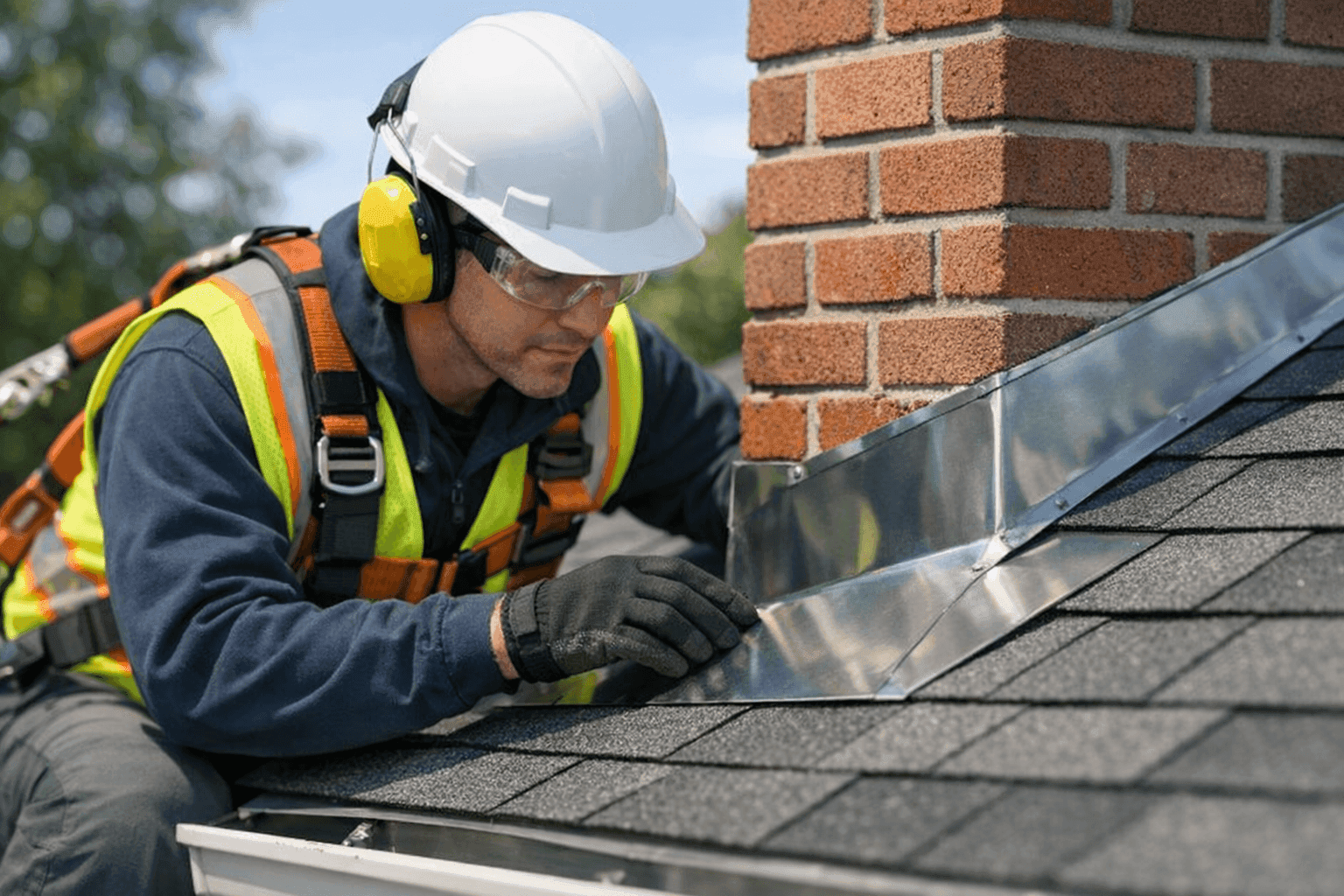
Think of chimney flashing as a raincoat for the place where your chimney and roof meet. This intersection is naturally prone to leaks since water loves to find even the tiniest gaps. Flashing creates a watertight barrier by layering metal where the roof meets the chimney.
There are typically two main pieces:
- Step flashing: Installed along the sides, layered with shingles like overlapping fish scales.
- Counter flashing: Embedded into the mortar joints, covering the top edges of the step flashing.
Together, they direct rain, melting snow, and debris away from the tricky seam where roof and chimney meet. When installed correctly, flashing prevents water from sneaking into your attic or walls.
Signs of Chimney Flashing Leaks
Catch leaks early, and you avoid headaches later. Here’s what to watch for:
- Water stains on ceilings or walls near the chimney
- Musty odors in the attic or around the fireplace
- Rust on the firebox or damper
- Visible gaps, bent, or missing flashing
- Crumbling mortar or loose bricks at the chimney base
If you notice any of these, it’s time to investigate further. Small issues can quickly snowball into costly repairs.
Why Chimney Flashing Fails
Chimney flashing isn’t invincible. Over the years, it faces down harsh sun, wind-driven rain, snow, and even critters looking for a warm spot.
Common causes of failure:
- Improper installation: If flashing is cut too short, not layered correctly, or lacks proper sealant, leaks are almost guaranteed.
- Age and weather: Metal expands and contracts with temperature swings. Over time, this can loosen seals.
- Mortar decay: As mortar ages, it can crack or crumble, letting water sneak behind the flashing.
- Storm damage: High winds or flying debris can bend or tear flashing loose.
Manufacturers and building codes (like the International Residential Code, Section R903.2.1) set standards for flashing installation. These guidelines exist for good reason: cutting corners leads to leaks.
The Dangers of DIY Chimney Flashing Repairs
It’s tempting to grab a tube of caulk and call it fixed. But flashing is more than just metal and goop. Done wrong, “repairs” can actually trap water or create new leaks.
Risks of DIY attempts:
- Hidden damage: Water may have already soaked insulation or wood—easy to miss without the right tools.
- Wrong materials: Using incompatible metals or sealants can accelerate corrosion.
- Improper layering: Flashing must tie into shingles and mortar the right way, or water finds a way in.
Roofing is dangerous. Chimneys are even trickier, with steep angles and slippery surfaces. Professional roofers know what to look for, how to install to code, and how to keep themselves (and your home) safe.
What Professionals Do On Arrival
When you call in chimney flashing specialists, here’s what happens next:
- Full inspection: We check not just the flashing, but surrounding shingles, mortar, and deck for hidden damage.
- Moisture detection: Using meters, we pinpoint damp spots that may not be visible yet.
- Material match: We select code-compliant metals (like galvanized steel or copper) that suit your roof.
- Proper integration: New flashing is woven into your shingles and sealed to the chimney using industry best practices.
- Final checks: We test with simulated rainfall and ensure no gaps remain.
This isn’t just patchwork—it’s a holistic fix.
Repair and Replacement Options
Not every leak means a full replacement. Sometimes, targeted repairs save the day. Here’s how pros decide:
- Sealant touch-ups: For very minor gaps or cracks.
- Partial flashing replacement: If only one section has failed.
- Full replacement: When the metal is rusted, bent, or improperly installed from the start.
In some cases, we may recommend additional work—like repointing chimney mortar or updating adjacent roof flashing—to ensure a bulletproof result. For more severe water entry, pairing with roof flashing repair may be wise.
When It’s an Emergency
A sudden leak during a storm isn’t just inconvenient—it can be dangerous. Water near electrical systems or inside walls can lead to fire hazards or mold growth.
If you spot active dripping, bulging drywall, or a musty odor that appears overnight, act fast. Local teams can often respond same-day. If you’re in the area, our Washington service page has info on rapid response availability.
Quick Safety Checklist for Homeowners
Before climbing on the roof, consider:
- Is the roof wet, icy, or steep?
- Are there overhead power lines or nearby trees?
- Do you have the right ladder and safety gear?
- Are there pets or children nearby?
If any answer raises concern, stay on the ground and call a pro.
Long-Term Maintenance for Chimney Flashing 🛠️
A little attention goes a long way. Here’s how to extend the life of your flashing:
- Schedule annual roof inspections (especially after storms)
- Clear debris from gutters and valleys near the chimney
- Check for loose or missing mortar
- Watch for signs of rust or corrosion on the metal
- Keep tree limbs trimmed away from the roof
The National Roofing Contractors Association (NRCA) recommends regular professional inspections as part of preventative maintenance.
Seasonal Considerations
Each season brings its own threats:
- Winter: Freeze-thaw cycles can widen cracks in mortar and open gaps under flashing.
- Spring: Heavy rain reveals hidden leaks.
- Summer: High heat can dry and crack sealants.
- Fall: Leaves and debris pile up, holding moisture against flashing.
Plan inspections and maintenance around these cycles for best results.
Cost and Timeline Factors
Repair costs vary by the extent of damage, roofing material, and roof pitch. Minor repairs may take an hour or two. Full replacements, especially on steep or multi-story roofs, can take a day or longer.
Pros will provide a written estimate after inspection, and work within the codes and manufacturer guidelines. Quality takes time—but it’s worth it.
Common Mistakes That Lead to Leaks
- Relying on caulk alone to stop leaks
- Skipping step flashing or counter flashing
- Using incompatible metals (which can cause galvanic corrosion)
- Overlapping materials incorrectly
- Failing to tie flashing into the roof’s weather barrier
Avoid shortcuts. Leaks almost always come back to haunt you.
Frequently Asked Questions
How long does chimney flashing last?
With professional installation and regular care, flashing can last 20 years or more.
Does home insurance cover flashing leaks?
Sometimes, if damage is storm-related or sudden. Gradual wear is usually not covered.
Can I install flashing myself?
It’s possible, but rarely advisable. Mistakes can be costly, and DIY work may void roof warranties or violate local codes.
What materials are best?
Galvanized steel is common, but copper and aluminum are also used. The right choice depends on your roof, climate, and budget.
Preparing for Service
Clear the area around your chimney, both inside and outside. Move furniture or valuables if leaks have already caused water stains. Point out any signs you’ve noticed—no detail is too small.
If you’re scheduling during winter or after a storm, let the roofing team know about any recent issues. Good communication speeds up repairs and minimizes surprises.
Final Thoughts: Keep Water Outside Where It Belongs
Chimney flashing is a small detail with a big impact. Protecting your home or business from leaks starts at the source. Regular inspections, prompt repairs, and a little know-how can save you thousands down the line.
Call Shindo Trust Roofing now — or reach us anytime at 888-698-1884 .