Commercial Roofing Systems: Options and Upkeep
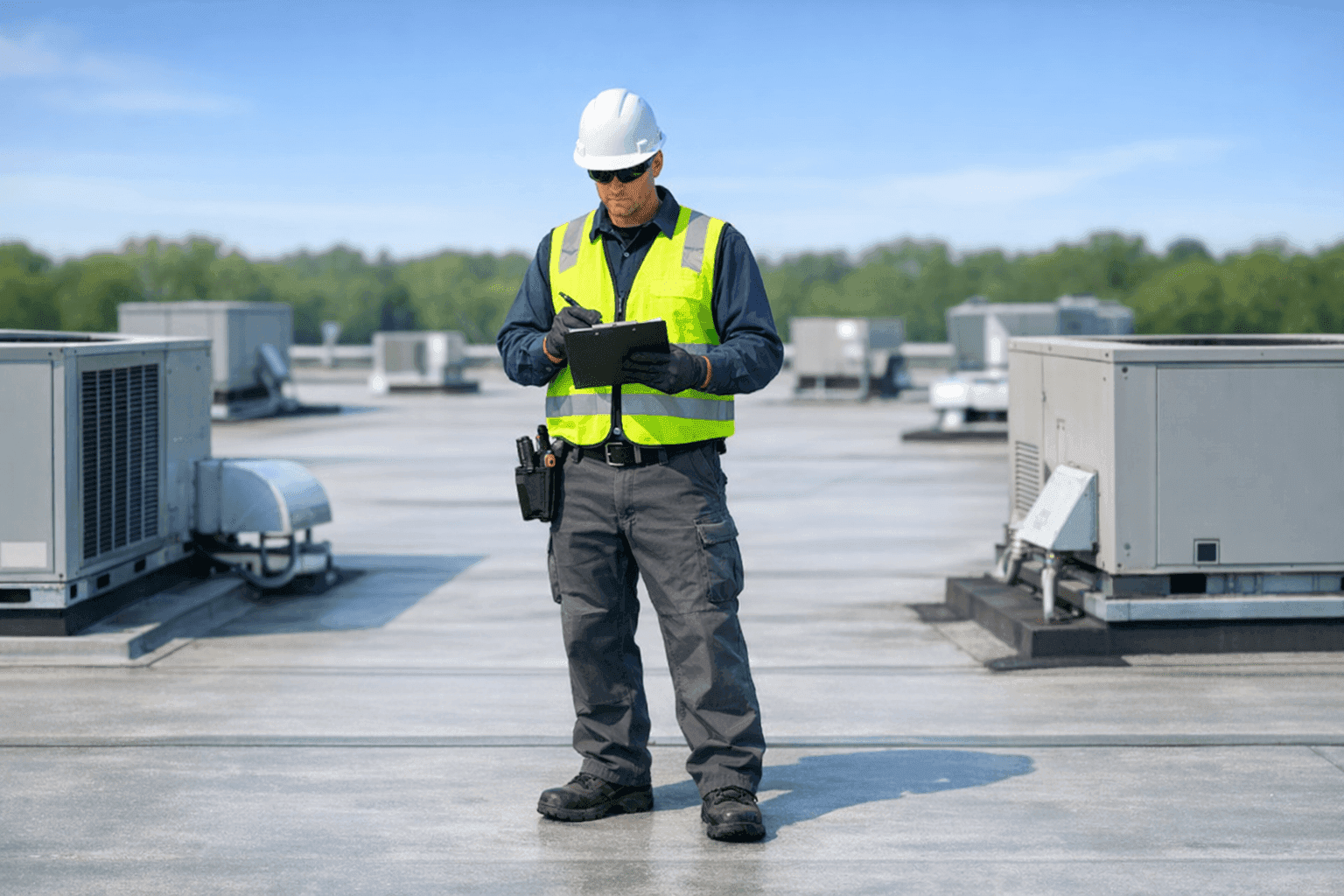
When you own or manage a commercial building, the roof overhead isn’t just another box to check on a form. It’s the shield that guards your investment, your people, and your peace of mind. Yet, business owners often face a maze of choices—each with its own set of challenges. Water, weather, foot traffic, and equipment all take their toll.
At Shindo Trust Roofing, we’ve seen firsthand how smart choices—and regular care—can mean the difference between a minor fix and a major disruption. This guide breaks down commercial roofing options, what to watch for, and how to keep your business covered for years to come.
Types of Commercial Roofs 🏢
The world of commercial roofing is as varied as the buildings beneath it. Here are four of the most common systems you’ll find:
- TPO (Thermoplastic Polyolefin): A single-ply white membrane, known for energy efficiency and UV resistance.
- EPDM (Ethylene Propylene Diene Monomer): A black rubber membrane, valued for flexibility and weather resistance.
- Built-Up Roofing (BUR): The classic “tar and gravel” system, layered with asphalt and felt for durability.
- Metal Roofing: Made from steel, aluminum, or copper panels—long-lasting and suited to a wide range of climates.
Each system brings its own blend of strengths and maintenance needs. Choosing the right one is a bit like picking out the best shoes for a marathon: comfort, durability, and fit matter more than flash.
Pros and Cons: Making Sense of the Options
Let’s break down how these roofing types stack up:
TPO Roofing
Pros:
- Reflects heat, lowering cooling bills.
- Lightweight and easy to install.
- Resistant to mold, dirt, and punctures.
Cons:
- Can be less durable under heavy foot traffic.
- Seams may be vulnerable if not properly welded.
EPDM Roofing
Pros:
- Flexible and strong, even in extreme temps.
- Handles building movement without cracking.
- Simple repairs—patches can extend lifespan.
Cons:
- Absorbs heat due to dark color, raising cooling costs.
- Prone to punctures from sharp objects or debris.
Built-Up Roofing (BUR)
Pros:
- Multiple layers offer strong leak protection.
- Good at dampening noise from rain or hail.
- Asphalt and gravel resist fire.
Cons:
- Heavy—may require structural reinforcement.
- Installation is messy and time-consuming.
Metal Roofing
Pros:
- Can last 40 years or more with proper care.
- Naturally resists fire, pests, and rot.
- Recyclable and often made from recycled material.
Cons:
- Higher upfront cost.
- Can be noisy unless properly insulated.
Performance Under Pressure: Special Commercial Concerns
A commercial roof isn’t just a static lid. Think about all it deals with daily:
- Foot Traffic: HVAC techs, inspectors, and maintenance staff can wear pathways into membranes.
- Equipment Loads: Units for heating, cooling, vents, or solar panels can stress the structure.
- Drainage: Flat roofs must channel water efficiently—poor drainage invites leaks or ice dams.
- Wind and Weather: Large surface areas catch more wind; strong gusts can lift seams or panels.
Manufacturers like GAF and Johns Manville stress the importance of following their installation and maintenance guidelines to keep warranties valid. That’s not just fine print—it’s your insurance policy.
Maintenance Strategies: How to Make Your Roof Last
Just like changing the oil in a car, regular upkeep keeps your roof running smoothly. Here’s what we recommend:
- Schedule Semi-Annual Inspections: Spring and fall check-ups catch issues before they blossom into bigger problems.
- Clear Debris: Leaves, branches, and dirt can clog drains and gutters, leading to ponding water.
- Check Seams and Flashings: These are the usual suspects for leaks—look for cracks, splits, or lifted edges.
- Monitor for Ponding Water: Standing water for more than 48 hours is a red flag. It can break down materials and add weight.
- Trim Nearby Trees: Overhanging branches can scrape surfaces or drop debris.
For most businesses, a preventative maintenance plan is the best investment. It’s less about spending money and more about saving yourself from costly surprises.
Signs of Trouble: What to Watch For 👀
Roofs rarely fail overnight. Instead, they whisper warning signs:
- Blistering or Bubbling: Moisture trapped under the membrane signals a breakdown.
- Sagging Sections: Indicates water damage or a failing structure below.
- Discolored Ceilings Indoors: A classic symptom of hidden leaks.
- Cracks at Seams or Flashings: Where two surfaces meet, leaks love to start.
- Unusual Odors or Mold Growth: Trapped moisture creates a breeding ground for mold.
Spotting these clues early can mean the difference between a simple roof repair and an emergency shutdown.
Comparing Costs: Budgeting for Performance
Budgeting for a commercial roof isn’t just about the price per square foot. Consider:
- Installation Costs: Metal is pricier upfront; TPO and EPDM are typically more affordable.
- Lifespan: Metal can last twice as long as single-ply membranes with proper care.
- Maintenance Frequency: BUR and EPDM may require more frequent attention.
- Energy Savings: Reflective membranes (like TPO) can lower utility bills in sunny climates.
The smartest approach? Weighing total cost of ownership—not just day-one pricing.
When Upkeep Isn’t Enough: Repair vs. Replacement
Even the best roofs age. So how do you know when patching won’t cut it?
Repair Makes Sense When:
- Damage is limited to a small area.
- The rest of the roof is in good shape.
- The roof is still within warranty.
Consider Replacement If:
- Repairs are needed again and again.
- More than 25% of the roof is compromised.
- The roof is nearing the end of its expected lifespan (15–20 years for most membranes).
A trusted inspection—following NRCA (National Roofing Contractors Association) guidelines—will help you decide. Sometimes, the smart move is investing in a full replacement rather than chasing leaks year after year.
Learn more about tailored options for your building by visiting our commercial roofing services page.
Safety First: Quick Checklist for Facility Managers
Working on a commercial roof is a serious business. Before anyone climbs up:
- Review OSHA fall protection rules.
- Ensure ladders and access points are secure.
- Keep the roof clear of unnecessary clutter and trip hazards.
- Never walk on icy or wet surfaces.
- Know where skylights or fragile spots are located.
Safety isn’t just about compliance—it’s about sending everyone home healthy at the end of the day.
Preparing for Service: What Businesses Should Expect
Planning a roof project? Here’s how to get ready:
- Alert staff and tenants about possible noise or restricted access.
- Move vehicles or outdoor equipment away from work zones.
- Secure sensitive inventory or electronics against dust or vibration.
- Ask your contractor about expected timelines and disruption.
A little prep goes a long way toward a smooth experience.
Common Mistakes to Avoid
We see the same missteps time and again:
- Ignoring small leaks until they become big headaches.
- Skipping regular maintenance to “save money.”
- Walking on the roof without proper shoes or training.
- Adding new equipment without checking structural load limits.
- Delaying replacement past the point of no return.
Avoiding these pitfalls is much easier—and cheaper—than cleaning up after them.
Seasonal Considerations: Weathering Every Storm 🌦️
Winter brings ice and snow that stress flat roofs. Summer sun can bake membranes, causing them to crack or shrink. Each season brings its own challenges.
In regions with heavy rainfall or snow, regular gutter and flat roof drainage checks are critical. If you’re in the Covington area, prompt seasonal service is available—see how commercial and residential properties can benefit by checking local Covington support.
When It’s an Emergency
Some problems can’t wait—like sudden leaks during a storm or visible structural damage after high winds. In these cases:
- Contain water with buckets or tarps if safe to do so.
- Evacuate impacted areas if there’s a risk of collapse or electrical hazard.
- Contact a licensed roofing contractor for emergency repairs.
Fast action can prevent further property damage and business interruption.
Frequently Asked Questions
How long should a commercial roof last?
With routine upkeep, single-ply roofs (TPO, EPDM) often last 15–25 years; metal can reach 40+ years.
Can I walk on my commercial roof?
Occasional access for maintenance is expected, but it’s best to use walk pads and avoid unnecessary foot traffic.
What’s the biggest risk for flat roofs?
Standing water—known as “ponding”—is the enemy. It speeds up deterioration and signals drainage issues.
Are eco-friendly roofing options available?
Yes! Reflective membranes, green roofs, and recycled metal panels are gaining traction. Ask about sustainable choices during your next inspection.
The Bottom Line: Protecting Your Investment
Your commercial roof is more than just a cover—it’s a complex system that needs care and attention to perform its best. With the right choice of materials, regular maintenance, and prompt repairs, you can avoid costly interruptions and keep your business running smoothly.
Ready to talk through options or book a maintenance check?
Call Shindo Trust Roofing now — or reach us anytime at 888-698-1884 .