The Complete Guide to Roof Leak Prevention
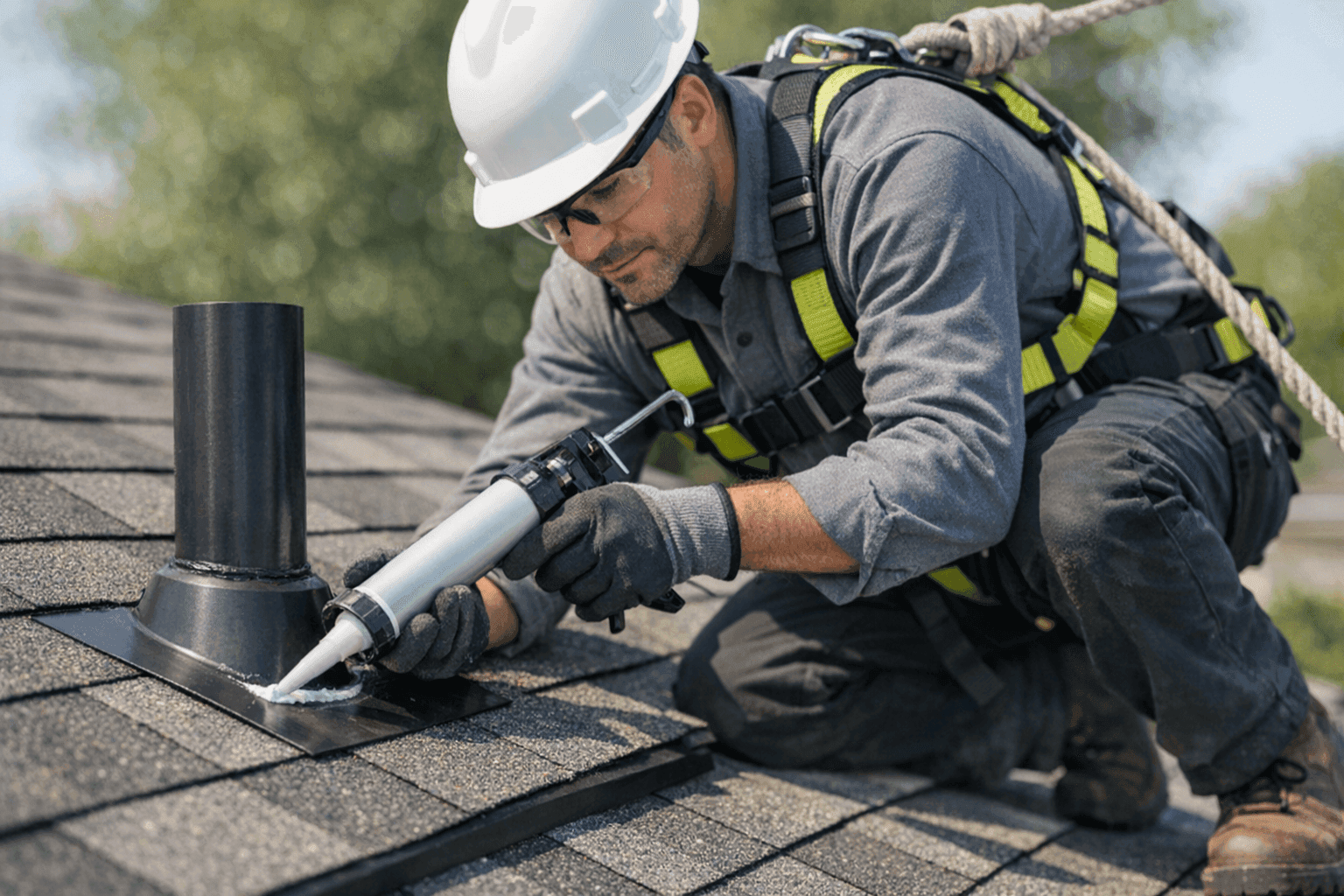
Is water sneaking into your attic after a heavy rain? That creeping drip above your ceiling isn’t just an inconvenience—it’s a warning sign. At Shindo Trust Roofing, we’ve seen how a tiny leak can balloon into a major headache, affecting both homes and businesses.
Roof leaks don’t wait for a convenient time. They can strike during a storm, a hot summer day, or just when you think your roof is solid. The good news? Most leaks are preventable with the right steps.
Common Leak Causes: Know What You’re Up Against 🏚️
Let’s break down the usual suspects behind unexpected water intrusion:
- Flashing Failure: Think of flashing as the armor around your roof’s weak points—chimneys, vents, skylights. When it bends, rusts, or loosens, water finds a path inside.
- Shingle Damage: Over time, shingles crack, curl, or simply go missing. A single damaged shingle can act like a missing puzzle piece, letting water sneak through.
- Poor Drainage: Clogged gutters and downspouts are like blocked arteries. Water backs up, pools, and eventually slips under your roofing.
- Ventilation Issues: When your attic can’t breathe, heat and moisture build up. This can warp wood, rust nails, and create the perfect conditions for leaks.
Understanding these root causes is the first step toward a dry, worry-free roof.
Signs You Might Have a Leak
Leaks aren’t always a dramatic drip in the living room. Sometimes, they whisper before they shout:
- Water stains on ceilings or walls
- Bubbling paint or wallpaper
- Musty odors in the attic
- Mold or mildew patches
- Curling shingles or visible roof sag
If you spot any of these, don’t shrug it off. Early action saves money and stress.
Quick Safety Checklist Before You Investigate
Before you grab a ladder, think safety first:
- Wait for clear weather—never climb a wet, slippery roof.
- Use stable ladders and non-slip shoes.
- Avoid stepping on damaged or soggy sections.
- If in doubt, call a professional. Roofs are no place for guesswork.
The High Cost of Waiting
A roof leak isn’t just about water. It’s about what happens next—rot, ruined insulation, warped framing, and even electrical hazards. According to the International Association of Certified Home Inspectors (InterNACHI), water damage is one of the leading causes of structural decline in buildings.
The sooner you act, the less you’ll spend on repairs and replacements. Waiting can turn a simple fix into a full-blown renovation.
Prevention Strategies: Keeping Water Out for Good 🔒
Stopping leaks starts with smart habits and regular care. Here’s how to build your defense:
Inspect Flashing and Roof Penetrations
- Check flashing around chimneys, vents, and skylights for rust, cracks, or gaps.
- Ensure sealants haven’t dried out or peeled away.
- Schedule professional roof flashing repair if you notice old or missing flashing.
Keep Gutters and Downspouts Clear
- Clean gutters twice a year—spring and fall are critical.
- Remove leaves, nests, and debris to keep water flowing off the roof.
- Repair or replace damaged sections before the rainy season.
Address Shingle Issues Promptly
- After storms or high winds, inspect for missing or broken shingles.
- Replace damaged shingles or tiles right away.
- For larger areas, consider a full preventative maintenance visit.
Ventilation and Insulation Upgrades
- Ensure your attic has enough vents (ridge, soffit, or gable).
- Add insulation to maintain even attic temperatures and prevent condensation.
- Check local building codes or consult resources like the National Roofing Contractors Association (NRCA) for recommended standards.
When to Call a Professional
DIY can only go so far. Some problems—like hidden leaks or structural sag—need seasoned eyes and hands. If you notice recurring stains, unexplained mold, or roof dips, it’s time to call in the cavalry.
Local response can matter, especially after storms. For readers in Rockland County, you may find the roof leak specialists in Orangetown particularly responsive to urgent calls.
What Pros Do On Arrival
When a Shindo Trust Roofing technician arrives, here’s what you can expect:
- Thorough Inspection: We start with a walk-around and attic check, looking for subtle signs of water entry.
- Moisture Mapping: Tools like moisture meters help us trace leaks to their true origin.
- Immediate Protection: Temporary tarps or sealants may be applied to stop further damage.
- Clear Reporting: You’ll get a straightforward assessment—no jargon, just facts and photos.
DIY vs. Calling a Pro
Some tasks—like clearing gutters or replacing a single shingle—can be homeowner-friendly. But when it comes to climbing steep roofs, handling electrical hazards, or diagnosing deep-seated leaks, it’s safer and more effective to bring in a professional roofing team.
Routine Maintenance: The Unsung Hero
Think of maintenance like brushing your teeth. Routine care keeps small problems from turning into painful, expensive ones. Schedule annual roof inspections, especially before winter or hurricane season.
A maintenance checklist should include:
- Checking for loose or corroded flashing
- Looking for cracked or warped shingles
- Cleaning out gutters and downspouts
- Inspecting attic insulation and ventilation
Document any changes with photos and notes.
Emergency? Here’s What to Do 🚨
If water is pouring in, act fast:
- Move valuables and furniture out of harm’s way.
- Use buckets to catch drips.
- Don’t touch electrical outlets if water is nearby.
- Call for emergency roof repair right away.
Some leaks can’t wait. Fast action limits the damage.
Seasonal Considerations: Spring Thaw to Winter Freeze
Each season brings its own threats:
- Spring: Melting snow can reveal winter damage. Inspect after the first thaw.
- Summer: Heat can curl shingles and stress sealants.
- Fall: Leaves clog gutters, making overflow likely.
- Winter: Ice dams can push water under shingles. Keep an eye on attic insulation and ventilation.
Regular checks as seasons change help you stay ahead.
Common Mistakes to Avoid
- Ignoring small stains—minor signs can signal big problems brewing.
- Using mismatched materials for repairs.
- Overusing sealants instead of replacing damaged parts.
- Skipping inspections after major storms.
Simple missteps can undo even the best intentions.
Materials and Equipment: What Goes Into Leak Prevention
A durable, water-tight roof relies on quality materials:
- Sturdy, weather-resistant shingles or tiles
- Rustproof metal flashing
- Professional-grade sealants and coatings
- High-quality gutter and downspout components
Following manufacturer guidelines and local building codes ensures every piece does its job.
Case Study: Small Leak, Major Save
A local business owner noticed a faint water spot on an office ceiling after a summer storm. Our inspection traced it to a cracked vent pipe boot—a common but easily missed culprit. Fast repair, thorough inspection, and improved attic ventilation prevented mold growth and saved thousands in potential damages. The lesson? Don’t ignore the little things.
Frequently Asked Questions
How often should I have my roof inspected?
At least once per year, and after major storms.
Are all leaks visible inside?
No—some hide in attics, behind walls, or under insulation.
Can I repair flashing myself?
Minor resealing is possible, but full repair or replacement is best left to trained professionals.
Will insurance cover my roof leak?
It depends on your policy and the cause. Document all damage and act quickly.
Long-Term Maintenance: Building a Leak-Free Future 🏡
Prevention doesn’t end after one repair. Set up a maintenance calendar, keep gutters clean, and respond to small problems before they grow. Professional inspections give you peace of mind and help you plan for future upgrades.
Refer to trusted resources like the National Roofing Contractors Association (NRCA) and OSHA for safety and maintenance best practices.
Call Shindo Trust Roofing now — or reach us anytime at 888-698-1884 .