Decking Repairs: Protecting the Structure Beneath Your Roof
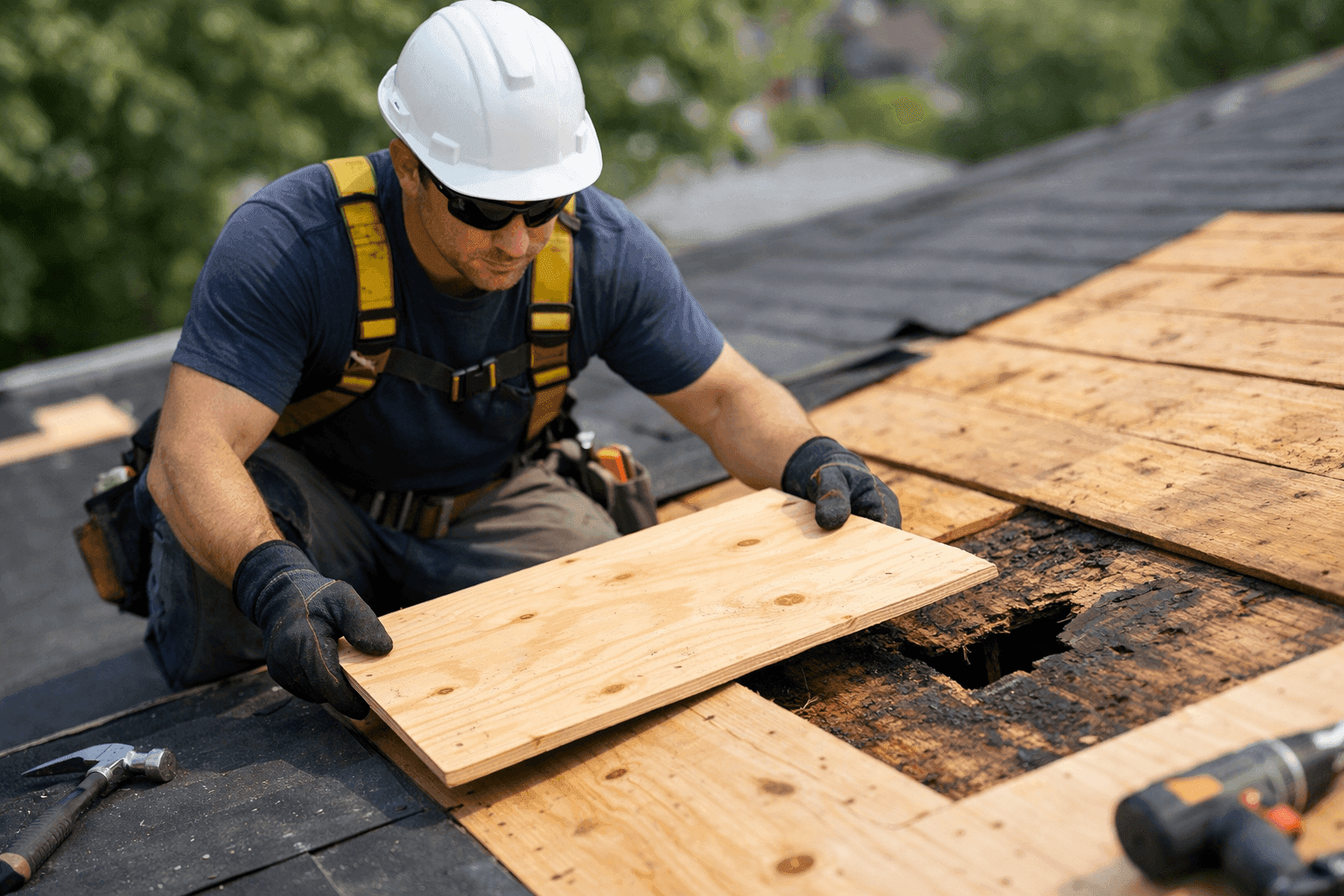
When your roof leaks or sags, it’s not just the shingles that need attention. The real backbone—the decking—could be quietly suffering beneath. Homeowners and business owners alike know the stress of discovering hidden water stains or a soft spot underfoot. At Shindo Trust Roofing, we’ve seen how quickly small issues can threaten the safety and value of your property.
Roof decking is the unsung hero of your building. It holds up the layers above, shields your insulation, and keeps the weather out. When it’s compromised, your whole roof is at risk. Let’s break down how to spot trouble, what causes it, and how to fix decking issues before they spiral.
What Causes Decking Damage?
Decking doesn’t fail overnight. It’s a slow unraveling, like a rope fraying strand by strand. Here’s what puts your roof’s foundation in danger:
- Moisture Intrusion: Even a tiny leak can soak into plywood or OSB boards, leading to swelling, rot, and mold.
- Poor Ventilation: Trapped humidity from inside rises to the attic, condenses, and quietly eats away at the wood.
- Old Age: Like bones in an aging body, decking weakens over time, especially if original materials weren’t up to today’s standards.
- Storms & Impact: Hail, falling branches, or heavy wind can crack, puncture, or dislodge decking panels.
- Improper Installation: If nails miss the rafter or panels aren’t spaced for expansion, trouble is just a season away.
According to the International Residential Code (IRC), roof decking must meet specific thickness and fastening requirements to withstand local weather. Skipping these steps is like building on sand.
Signs Your Decking Needs Attention
How do you know if your roof’s skeleton is in trouble? Watch for these red flags:
- Sagging or Bowing: A dip in your roofline is a cry for help. It means decking is losing strength.
- Water Stains on Ceilings or Walls: Those brown rings are like footprints—evidence of water sneaking past your defenses.
- Soft Spots Under Shingles: If a roofer steps on a “spongy” patch, the decking below may be rotting or delaminating.
- Musty Smells in Attic: Mold and mildew love damp wood. If your attic smells like a forgotten basement, inspect your decking.
- Visible Rot or Mold: Sometimes you can see dark, crumbly wood from the attic hatch.
Don’t ignore these signs. Left unchecked, decking damage can lead to costly structural repairs—or even interior collapse.
Quick Safety Checklist Before Inspection 🛑
Before poking around, keep these safety basics in mind:
- Never walk on a visibly sagging or soft roof.
- Always use a sturdy ladder and have a spotter if you’re checking from the attic.
- Wear gloves and a mask—mold spores aren’t your friend.
- If you see electrical wiring near water stains, stay clear and call a professional.
Safety codes from OSHA and the National Roofing Contractors Association (NRCA) stress these precautions for good reason.
Inspection and Diagnosis: How Pros Uncover Hidden Damage
Professional roofers don’t just look—they listen, prod, and test. Here’s how the process works:
- Visual Scan: Starting outside, we check for dips, missing shingles, or warped flashing.
- Attic Assessment: Inside, we look for daylight peeking through, water stains, and soft wood.
- Moisture Meter: A simple tool tells us if wood is damp below the surface.
- Probe Test: Gently pressing a screwdriver into the decking can reveal soft, decayed spots.
- Infrared Scanning (if needed): This advanced method highlights hidden moisture invisible to the naked eye.
If you’re curious about the details, our decking services page explains the full process and what to expect during an inspection.
Repair vs. Replacement: Making the Right Call
Not all damage means a total overhaul. Sometimes, a targeted repair is enough. Other times, it’s like patching a sinking ship—you need new boards. Here’s how we decide:
- Localized Damage: If only a small section is affected, we can cut out and replace just those panels.
- Widespread Rot: If half or more of your decking is soft or moldy, full replacement is safer and more cost-effective.
- Structural Compromise: If the rafters or trusses beneath are damaged, both decking and support may need attention.
We follow manufacturer specs and building codes for every repair—no shortcuts, no guesswork.
Common Causes of Decking Failure
Let’s dig a little deeper. Why does decking give out? Here are the usual suspects:
- Ice Dams: In colder climates, ice buildup can force water under shingles and onto the decking.
- Clogged Gutters: Overflow sends water back up under the roof edge, soaking the wood.
- Animal Intrusion: Squirrels, raccoons, and birds can chew or claw through decking in search of shelter.
- Improper Flashing: Weak spots around chimneys and skylights funnel water right onto the decking.
Regular maintenance is your best shield. Clean gutters, check attic vents, and inspect flashing at least twice a year.
The Role of Structural Repairs
Sometimes, the problem goes deeper than just the decking. When water damage or impact affects rafters, beams, or trusses, the whole skeleton needs reinforcement.
Our structural repair services address these deeper issues, restoring your roof’s strength from the inside out. It’s like bracing a bridge before it collapses—essential for long-term safety.
DIY vs. Professional Repairs
Tempted to fix it yourself? For minor patching, handy homeowners might be able to swap a shingle or two. But decking repairs are a different animal. Hidden rot, electrical hazards, and structural risks make this a job best left to trained crews.
A pro brings the right tools, safety gear, and know-how to spot problems you can’t see from the surface. Plus, repairs done to code protect your insurance coverage and property value.
Timeline & Disruption: What to Expect
Worried about chaos during repairs? Most decking jobs take one to three days, depending on the extent. Here’s what happens:
- Prep: We protect landscaping, remove old shingles, and inspect the whole area.
- Repair/Replace: Damaged decking comes out. New panels go in, fastened to code.
- Restore: Shingles, underlayment, and flashing are replaced or reinstalled.
- Cleanup: We leave your property clean—no stray nails or debris.
You might hear some hammering, but most families and businesses can stay open or at home during the process.
Preventing Recurrence: Keeping Decking Strong
A repaired roof is only as good as your maintenance habits. Here’s how to keep trouble from returning:
- Clear Gutters and Downspouts: Water should always flow away from your roof edge.
- Ventilate the Attic: Proper airflow prevents condensation and keeps decking dry.
- Annual Inspections: Catch issues early before they turn into big repairs.
- Sealants and Coatings: Modern products add a waterproof shield, especially in high-risk areas.
- Trim Overhanging Branches: Prevents impact damage and animal intrusion.
Building codes and recommendations from the Asphalt Roofing Manufacturers Association (ARMA) back up these steps.
When It’s an Emergency
Sometimes, decking damage can’t wait. If you notice sudden sagging after a storm, water pouring in, or a section of roof giving way, act fast. Emergency repairs protect your family, inventory, or tenants from harm.
For those needing urgent Auburn roofing services, our crews respond quickly—day or night—to secure the site and prevent further loss.
Seasonal Considerations: Timing Your Repairs 🌦️
Spring and fall are prime times for inspections and repairs. Summer heat can warp decking, while winter ice can sneak water into hidden crevices. Schedule checks before and after major weather seasons to stay ahead of trouble.
Frequently Asked Questions
How can I tell if my decking is plywood or OSB?
Most modern homes use oriented strand board (OSB), but older homes may have plywood. Both have unique textures—OSB looks like pressed chips, while plywood has visible wood grain layers.
Will my insurance cover decking repairs?
If damage is sudden (from storms or impact), many policies help with costs. Gradual rot or neglect is rarely covered, so regular upkeep pays off.
Can you repair decking without replacing the whole roof?
Yes, if the damage is limited. We match new panels to the old, ensuring a seamless, strong repair.
Materials & Equipment: What We Use
We rely on code-approved plywood or OSB, galvanized fasteners, and modern sealants. Our crews follow OSHA safety rules and NRCA best practices for every job.
Final Thoughts: Protect What’s Underneath
Your roof’s decking is the silent guardian of your home or business. Ignoring small problems can lead to big headaches. With field-tested methods, quality materials, and a focus on safety, Shindo Trust Roofing restores your peace of mind—one board at a time.
Call Shindo Trust Roofing now — or reach us anytime at 888-698-1884 .