DIY vs. Professional Gutter Cleaning: What’s Safer?
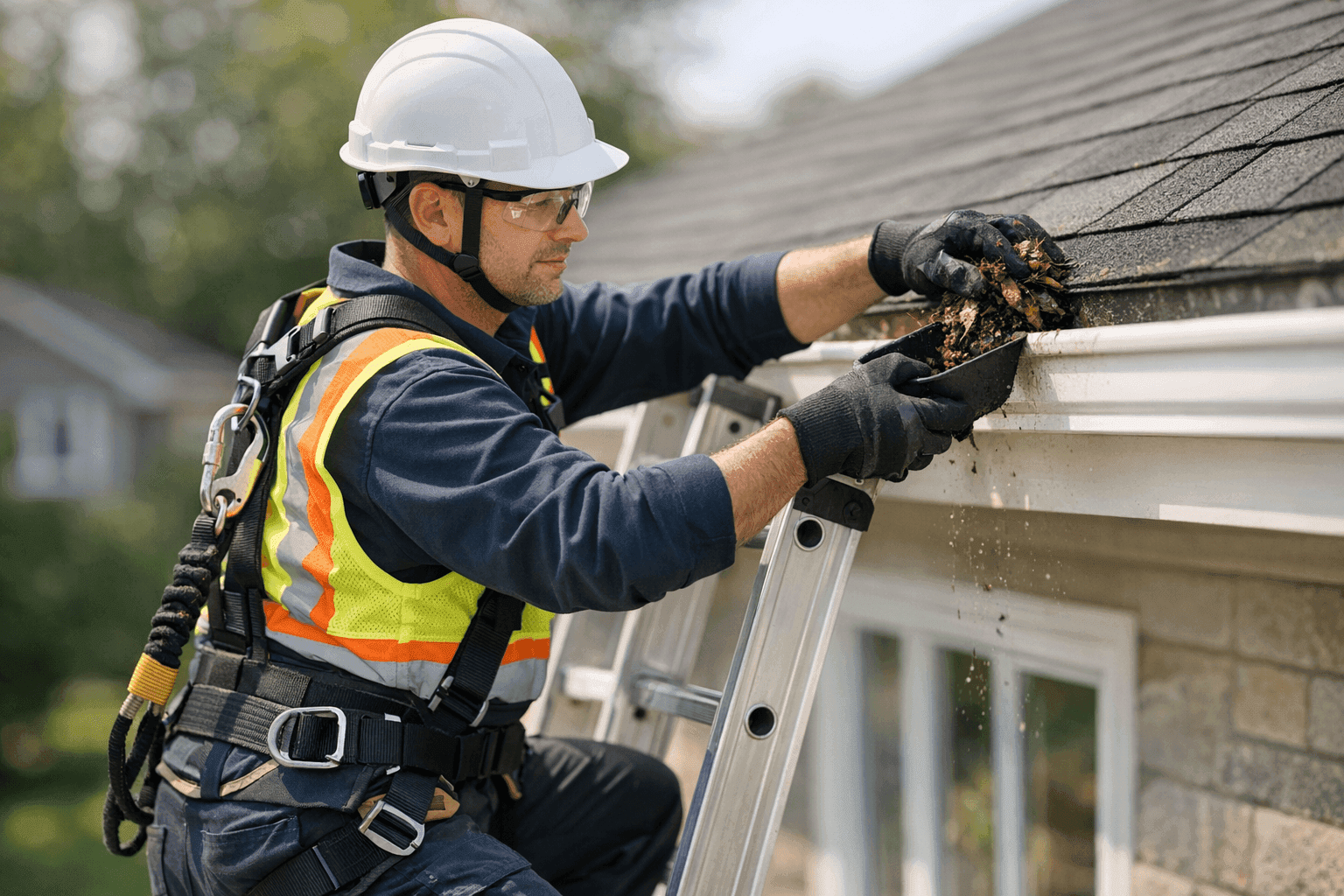
Clogged gutters don’t wait for a convenient time to cause trouble. One autumn storm, and your roof can turn into a waterfall. Whether you’re a homeowner with a two-story house or managing a busy commercial property, the temptation to grab a ladder and “just do it yourself” is strong.
But is DIY gutter cleaning really the safest—or even the smartest—route? At Shindo Trust Roofing, we’ve helped hundreds of families and businesses avoid costly repairs, unexpected leaks, and dangerous accidents. Let’s break down what’s truly at stake when you weigh DIY vs. professional gutter cleaning.
Tools Needed: The Basics and Beyond
A bucket. A sturdy ladder. A pair of gloves. These might sound like all you need to clean your gutters, but the list grows quickly. Here’s what DIYers often reach for:
- Sturdy extension ladder (with stabilizer)
- Protective gloves and safety glasses
- Scoop or small garden trowel
- Garden hose with spray nozzle
- Non-slip shoes
- Drop cloth to catch falling debris
Seems simple enough, right? But here’s the catch: Most home ladders aren’t tall or steady enough for multi-story homes. Gutter debris can be sharp, slippery, or even contain mold. And without harnesses or roof anchors, one wrong move can mean a trip to the ER.
Professional crews use heavy-duty ladders, OSHA-approved harnesses, and specialized scoops. Some even use high-powered vacuums or pressure washers for tough blockages. It’s like comparing a butter knife to a chef’s blade.
Common Hazards: More Than Just Dirty Hands ⚠️
Cleaning gutters might seem like a chore, but it’s also one of the leading causes of ladder-related injuries nationwide. According to the CDC, falls from ladders send hundreds of thousands to the hospital every year.
Here’s what can go wrong with a DIY approach:
- Falls: Slippery roofs, unsteady ladders, or overreaching can all spell disaster.
- Electrical hazards: Gutters can run beneath power lines—one misstep and you could get shocked.
- Hidden pests: Wasps, hornets, or even squirrels may have made your gutters home.
- Inadequate cleaning: Missed clogs or leaks can lead to costly water damage, mold, or ice dams come winter.
- Physical strain: Repetitive climbing and stretching can cause back and neck injuries.
It’s a bit like trying to fix your car’s brakes without a proper jack—possible, but risky, and mistakes can be expensive.
How Pros Clean Gutters: Step-by-Step Thoroughness
A professional gutter cleaning isn’t just a quick scoop and rinse. Here’s what to expect when you hire a service like Shindo Trust Roofing’s gutter cleaning team:
- Site inspection: Pros walk the property, look for obvious clogs, and check for loose sections or visible sagging.
- Setup and safety: Ladders are stabilized, harnesses clipped in, and the perimeter checked for hazards.
- Debris removal: All debris—leaves, sticks, seed pods, and even tennis balls—get cleared out by hand or with specialized tools.
- Flush and test: Gutters are flushed with water to check for proper flow and to spot hidden leaks.
- Downspout check: Each downspout is cleared, sometimes with flexible rods or power washers.
- Inspection: Pros check for potential problems like rusted sections, loose fasteners, or failing sealant.
- Cleanup: All debris is bagged and removed, leaving no trace behind.
This level of detail is tough to match solo. Plus, a professional can spot trouble before it turns into a big-ticket repair.
Quick Safety Checklist: Are You Really Prepared?
Before you ever climb a ladder, ask yourself:
- Is your ladder rated for your weight and tall enough for your home?
- Do you have a spotter to hold the ladder?
- Are you comfortable working at heights for long periods?
- Do you know what to do if you spot a wasp nest or live wires?
- Are your tools in good shape?
- Are you physically able to handle the task?
If you answered “no” or “I’m not sure” to any of these, it’s a sign to pause and reconsider.
When to Call an Expert: It’s Not Always About Convenience
Sometimes, calling a professional isn’t just the safest option—it’s the most cost-effective. You should pick up the phone if:
- Your roof is steeper than you’re comfortable with.
- Your home is more than one story.
- You spot significant gutter damage or leaks.
- You have a metal or tile roof (these can be slipperier and more fragile).
- You notice water stains on your ceilings or walls.
- You’re managing a commercial property with strict safety standards.
Local availability matters, too. For example, gutter cleaning, repair, and installation services are available for both homes and businesses across the area, including Sandy Springs and surrounding neighborhoods.
Prevention & Maintenance: What Regular Service Can Save You
Think of gutter cleaning like oil changes for your car—it’s cheaper and easier to prevent problems than fix them later. Regular cleanings can:
- Prevent roof leaks and water damage
- Extend the life of your shingle or metal roofing
- Stop mold before it starts
- Keep pests at bay
- Protect your home’s foundation from costly erosion
The National Roofing Contractors Association recommends cleaning gutters at least twice a year—more if you have pine trees or overhanging branches.
Costs & Time Factors: Penny Wise or Pound Foolish?
DIY cleaning might seem to save money, but consider the hidden costs:
- Equipment rental or purchase: Ladders, safety harnesses, and scoops add up.
- Lost time: A single cleaning can take a full afternoon (or longer if you’re not experienced).
- Medical bills: One ER visit can cost far more than a year of pro cleanings.
- Missed repairs: Overlooked leaks or damaged sections can lead to major repairs down the line.
Professional service isn’t just about convenience—it’s about protecting your investment.
What Pros See That You Might Miss
A trained eye can spot early warning signs you might overlook, such as:
- Tiny cracks in gutter seams
- Loose or missing fasteners
- Early signs of rust or corrosion
- Subtle roof damage near gutter lines
- Sagging or misaligned sections
- Blocked or disconnected downspouts
Catching these issues early can prevent costly repairs and even bigger headaches.
Insurance, Liability & Peace of Mind
One of the biggest advantages of hiring a professional? Insurance. Reputable companies carry liability and worker’s comp insurance, so you’re not on the hook if something goes wrong. Homeowners’ policies often don’t cover accidents caused by DIY work.
Shindo Trust Roofing’s technicians are trained in OSHA safety protocols, use PPE on every job, and carry industry certifications. It’s like having a seatbelt for your home maintenance—the peace of mind is worth it.
Real-World Testimonials: Safety Isn’t Just a Buzzword
Don’t just take our word for it. Here’s what our customers say:
“After my neighbor slipped off his ladder, I decided to call Shindo Trust Roofing. Now I get regular cleanings and haven’t had a single leak or scare since.”
— Maria, Homeowner
“Managing several buildings means I can’t take chances. The Shindo crew is always on time, professional, and I never worry about liability.”
— Kevin, Commercial Property Manager
Common Mistakes DIYers Make (And How Pros Avoid Them)
- Using unstable or undersized ladders
- Forgetting to check downspouts for clogs
- Missing small leaks or areas of separation
- Overreaching instead of moving the ladder
- Cleaning in bad weather (wind, rain, ice)
- Ignoring signs of animal nests or pest infestation
Pros are trained to avoid these pitfalls, keep themselves safe, and leave your gutters ready for whatever weather comes next.
Seasonal Considerations: Timing Matters
Spring pollen and autumn leaves mean most homes need cleanings at least twice a year. In snowy climates, clogged gutters can cause dangerous ice dams. Summer storms can fill gutters with debris overnight. Commercial buildings often need even more frequent checks due to larger roof areas and stricter code requirements.
If you’re unsure about your schedule, a pro can set up a maintenance plan tailored to your property and region.
Timeline & Disruption: How Long Does It Take?
A typical gutter cleaning takes about 1–2 hours for an average single-family home, longer for multi-story or commercial buildings. DIY jobs can stretch over an entire weekend. Professional crews minimize disruption, carefully protect landscaping, and leave your property cleaner than they found it.
Emergency Situations: Don’t Wait for Disaster
If you notice water spilling over your gutters in a storm, or see signs of sudden leaks after heavy rain, it’s time to act fast. Fast response can keep minor issues from turning into major ones. In urgent situations, professional teams can arrive quickly, assess the problem, and get your gutters flowing again—often before significant damage occurs.
Shingle Roofing Near You—And More
Gutter health is just one piece of a safe, dry home or business. From shingle roofing to skylight repair, ventilation, and storm restoration, Shindo Trust Roofing handles every roofing need with care and professionalism. If your gutters need more than just a cleaning—like new gutter installation or repair—we’re ready with tailored solutions for both residential and commercial properties.
Don’t risk your safety or your property. Call Shindo Trust Roofing now — or reach us anytime at 888-698-1884 .