Downspout Repair: Fixing Water Drainage Issues Fast
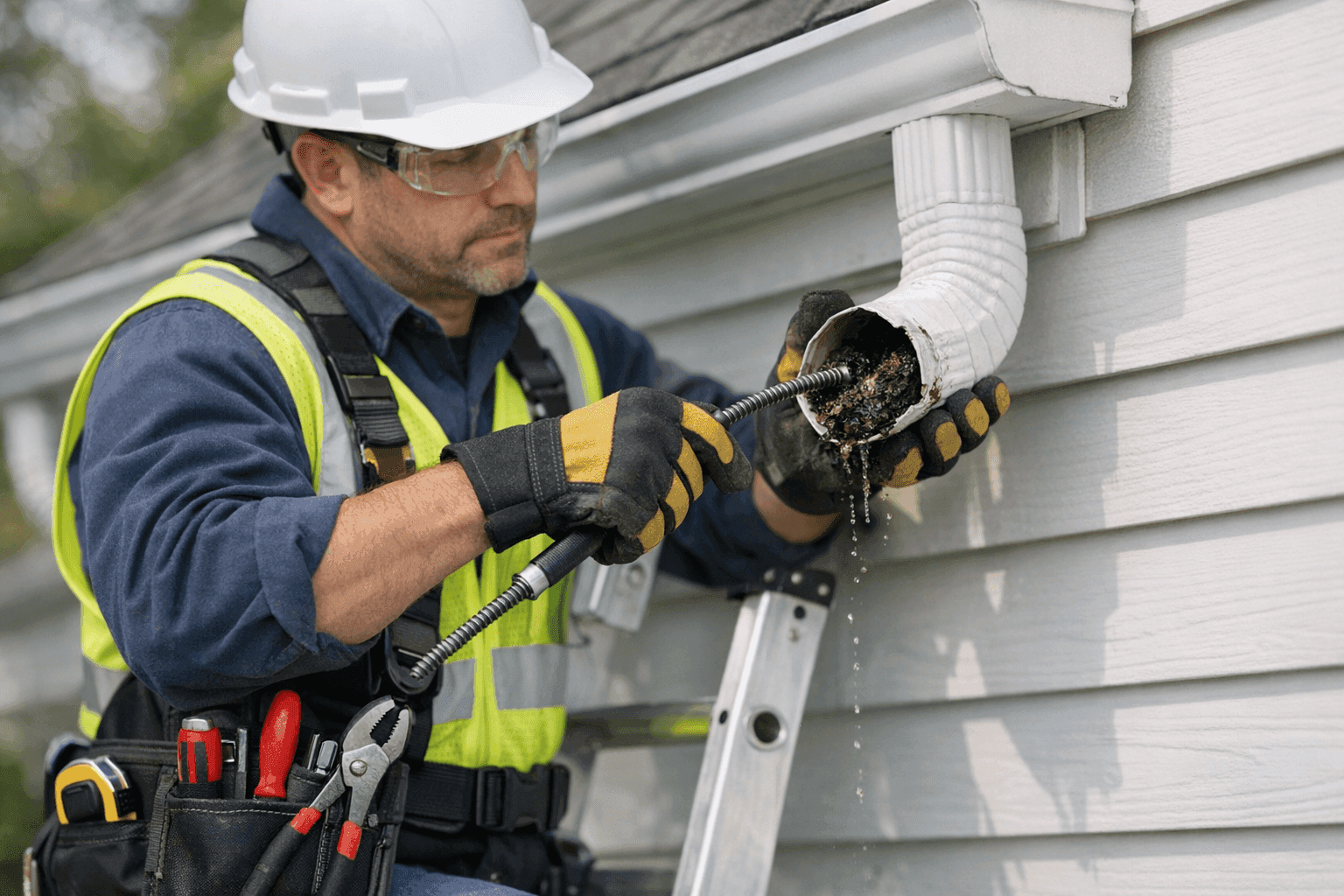
Is your downspout overflowing after a storm? Maybe you’ve noticed water pooling by your foundation or streaks of mud splashed up the siding. It’s more than just an eyesore—it’s a warning sign. Ignoring it could mean costly repairs down the road, from ruined landscaping to cracked foundations.
At Shindo Trust Roofing, we know the frustration of water that won’t go where it’s supposed to. Whether you own a cozy home or manage a busy commercial property, fixing downspout issues quickly is key to protecting your investment. Let’s break down what causes downspout trouble and how to solve it—fast.
Diagnosing Downspout Issues
Downspouts are like the veins of your roofing system. When they’re blocked or broken, rainwater backs up, spilling over gutters and soaking the ground below. Here’s what can go wrong:
- Clogs: Leaves, twigs, and even bird nests can block water flow.
- Separation: Joints between gutter and downspout can pull apart over time.
- Leaks: Rust, cracks, or loose seams let water escape.
- Improper Slope: If the downspout isn’t angled right, water pools instead of draining.
Walk around your property after a rain. Notice water gushing where it shouldn’t? That’s your first clue. Listen for dripping or see if plants near the foundation look battered. These are classic signs your downspout is crying out for attention.
Safety First: Quick Checklist 🛠️
Before grabbing a ladder, keep safety top of mind:
- Use a sturdy ladder on level ground.
- Wear gloves—downspouts hide sharp edges and critters.
- Never work alone if the roof is slippery or high.
- Avoid electrical wires and power lines.
If you’re ever unsure, step back. Some repairs are best left to professionals.
What Causes Downspout Failure?
Downspouts can fail for several reasons, and each has its own fix:
- Debris Buildup: Autumn leaves and spring pollen are the usual suspects.
- Age and Wear: Metal corrodes, plastic cracks, and fasteners loosen.
- Storm Damage: Heavy rain, hail, or wind can knock down or dent sections.
- Improper Installation: Poorly fitted joints or the wrong size for your roof’s runoff.
Regular inspections—especially after storms—catch small problems before they become big headaches.
Signs Your Downspout Needs Help
Don’t wait for a mini waterfall to appear. Watch for:
- Overflowing gutters during rain
- Water stains on siding or basement walls
- Sagging or detached downspout sections
- Erosion or puddles near the foundation
- Strange gurgling sounds from the gutters
Spotting these early means easier, less expensive repairs.
DIY Fixes for Minor Downspout Problems
Some downspout issues are quick fixes if you’re comfortable on a ladder:
- Clear Clogs: Use a plumber’s snake or a strong jet of water to push out debris.
- Seal Leaks: Apply waterproof sealant to small cracks or seams.
- Reconnect Joints: Tighten screws or use new brackets to secure loose parts.
- Adjust Slope: Gently bend or reposition the downspout for better flow.
A little maintenance goes a long way. Still, if you’re not sure what’s wrong or the problem keeps coming back, it’s time to call in help.
When to Replace Instead of Repair
Sometimes, patching up isn’t enough. Consider a full replacement if:
- The downspout is rusted through or split along its length
- Joints won’t stay together even after tightening
- There’s repeated clogging despite cleaning
- The system is too small for your roof size
Upgrading to a new, properly sized downspout can solve chronic drainage problems for good.
What Pros Do On Arrival
When you call for downspout repair services, here’s what you can expect:
- Inspection: We check the entire drainage system—gutters, downspouts, and connections.
- Diagnosis: Pinpoint the cause, from hidden blockages to improper installation.
- Repair or Replace: Clean, seal, reconnect, or swap out sections as needed.
- Test Flow: Run water through the system to ensure everything drains as it should.
- Cleanup: Remove debris and leave your property tidy.
We follow industry best practices and local building codes, so you can be sure your repair is done right the first time.
Preventing Future Downspout Trouble
Think of downspout care like brushing your teeth—regular attention prevents bigger issues. Here’s how to keep things flowing:
- Clean gutters and downspouts twice a year (spring and fall)
- Install leaf guards or screens to block debris
- Check for loose brackets and joints after storms
- Trim trees that overhang your roof
A little prevention now saves a lot of trouble later.
How Professional Repairs Restore Drainage
A working downspout is like an open highway for water. Professional repairs do more than just fix leaks—they restore the entire flow from roof to ground. This keeps water away from your foundation, prevents basement leaks, and protects siding and landscaping.
Ignoring a broken downspout is like ignoring a leaky pipe inside your walls. Sooner or later, the damage spreads. Prompt repairs keep your property dry and your mind at ease.
When It’s an Emergency
Some downspout problems can’t wait. Call for immediate help if:
- Water is pouring into your basement or crawl space
- A section of downspout has broken off completely
- There’s visible flooding near your home or business
Fast action here prevents thousands in water damage. If you’re in need of Wilkes-Barre roofing services, our team is ready to help—rain or shine.
Seasonal Considerations for Downspout Care
Each season brings its own challenges:
- Spring: Melting snow and heavy rains test your drainage.
- Summer: Storms can clog or dislodge downspouts.
- Autumn: Falling leaves fill gutters fast.
- Winter: Ice and snow can split or detach pipes.
Check your system at the start of every season for peace of mind.
Common Mistakes to Avoid
Don’t fall into these traps:
- Using duct tape as a permanent fix (it’s not waterproof!)
- Ignoring small leaks—water finds a way in
- Installing downspouts that are too short or end too close to the house
- Forgetting to check underground drain extensions
Proper repairs follow manufacturer guidelines and standards set by organizations like the National Roofing Contractors Association (NRCA).
How Long Will Repairs Take?
Most downspout repairs are quick—often under two hours. Full replacements or complex fixes may take longer. Our team works efficiently, minimizing disruption so you can get back to normal.
Materials and Equipment Pros Use
We use:
- Heavy-duty aluminum or steel downspouts
- Rust-proof fasteners and brackets
- High-grade sealants
- Extension pipes for proper water dispersal
Quality materials mean repairs last, even through wild weather.
The Value of Professional Downspout Repair
Why call in a pro? Because we see things you might miss. From hidden leaks to subtle slope issues, experienced eyes make all the difference. We follow best practices, use safe equipment, and ensure your system meets local codes.
A repaired downspout is more than a pipe—it’s peace of mind during the next storm.
Ready for Dry Ground and a Safer Home?
Don’t let a faulty downspout threaten your property. Whether it’s a quick fix or a full replacement, Shindo Trust Roofing is here to help with safe, effective solutions.
Call Shindo Trust Roofing now — or reach us anytime at 888-698-1884 .