Emergency Roof Repair: What to Do Before Help Arrives
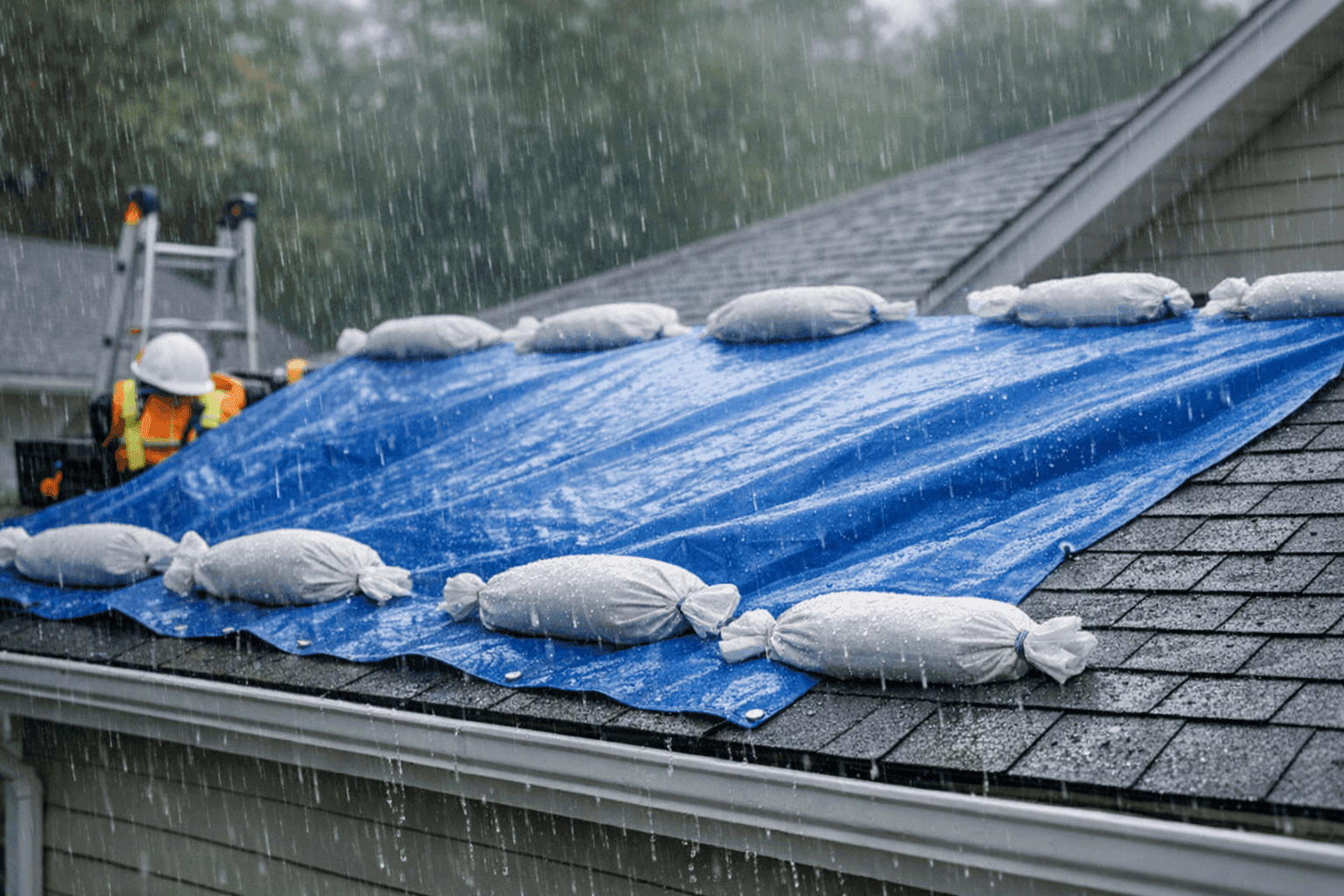
When the sky opens up and your roof starts leaking, panic can set in fast. Water pours from above, belongings get soaked, and every second feels like an hour. At Shindo Trust Roofing, we know that helpless feeling—and we also know the right first moves can keep a bad situation from getting worse.
Whether it’s a midnight hailstorm or a midday tree fall, acting quickly and safely after roof damage is critical. Let’s walk through what you should—and shouldn’t—do before professional help arrives.
Assessing the Situation: Stop, Look, and Listen 👀
The first step isn’t to grab a ladder—it’s to pause and get the lay of the land. Like a detective at a scene, you’ll want to:
- Check for obvious hazards: Exposed wires, sagging ceilings, or puddles near outlets can be dangerous.
- Listen for unusual sounds: Dripping, cracking, or wind howling through a new opening? These are clues about damage severity.
- Scan inside and out: Look from the ground for missing shingles, fallen branches, or holes. Inside, check ceilings and attic spaces for water or daylight peeking through.
If you spot immediate danger (fire, live wires, structural collapse), get everyone out and call emergency services. Your safety comes first.
Quick Safety Checklist: Protect People, Not Just Property
Roof problems can feel urgent, but rushing puts you at risk. Before you try any fixes, follow this quick safety list:
- Keep kids and pets away from flooding or buckling areas.
- Don’t walk on a wet, damaged roof—falls are a leading cause of injury.
- If water is near electrical fixtures, shut off power at the breaker (if safe).
- Use buckets or towels to catch drips—never touch standing water near outlets.
Remember: staying safe is the most important “fix” you can make before help arrives.
Temporary Fixes That Work—And Ones That Don’t
You can’t repair the roof itself in a storm, but you can slow the damage. Think of these as sandbags against a flood—temporary, but vital.
Inside the house:
- Move valuables and furniture out of harm’s way.
- Place buckets, pans, or even large storage bins under leaks.
- Use towels or mops to soak up pooling water.
Outside (if and only if it’s safe):
- Cover visible holes or missing shingles with a tarp, plastic sheeting, or heavy trash bags weighed down with boards or bricks.
- Secure the edges—wind loves to grab loose corners.
What to avoid:
- Don’t try to nail, staple, or tape anything during lightning or high winds.
- Never climb on a slick or unstable roof.
- Skip makeshift ladders or balancing acts—wait for pros.
Safety Precautions: When the Roof Turns Hostile ⚠️
A storm-damaged roof is like a cracked ice pond—what looks safe may not be. Even small holes can mean hidden structural problems. The National Roofing Contractors Association (NRCA) and OSHA (Occupational Safety and Health Administration) both warn: untrained roof access after damage is a recipe for accidents.
- If you smell gas, hear popping, or feel floors shifting, evacuate.
- Avoid attic spaces if insulation or wiring is wet.
- Don’t plug in fans or dehumidifiers near leaks until power is verified safe.
Let professionals trained in safety protocols handle the dangerous parts.
When It’s an Emergency—And What That Means
Not all leaks mean disaster. But if you see:
- Fast-growing ceiling bulges (water trapped overhead)
- Sections of roof or flashing ripped away
- Water entering multiple rooms or pooling rapidly
- Signs of collapse (cracking, bowing, or loud creaks)
That’s an emergency. You need help—now. The good news? Our 24/7 emergency response team is ready for urgent calls any time, day or night.
DIY vs. Professional Response: Choose Wisely
It’s tempting to fix things yourself, especially if you’re handy. But roof repairs in a storm are like trying to patch a tire on a moving car—risky and rarely effective.
Why leave it to pros?
- We have safety harnesses, heavy-duty tarps, and trained eyes.
- We follow local building codes and safety standards.
- We know how to spot hidden damage—what looks minor might be the tip of the iceberg.
DIY fixes can save a few dollars today, but missed damage often means bigger bills tomorrow. For peace of mind, trust a professional assessment after the storm clears.
What Pros Do On Arrival: The Shindo Trust Roofing Protocol
Our crews roll out fast. When we arrive, here’s our step-by-step:
- Secure the area: Check for hazards and stabilize unsafe spots.
- Document the damage: Photos and notes help with insurance claims.
- Install temporary protections: Tarps, sealants, or emergency flashings as needed.
- Plan permanent repairs: We’ll explain next steps, timelines, and options.
Our team is trained under current OSHA and NRCA guidelines—your safety and property come first.
Signs of Trouble: What to Watch for Afterward
Even after the roof is patched, keep an eye out for:
- New water stains or bubbling paint on ceilings/walls
- Mold or musty smells (a sign of hidden leaks)
- Shingles, tiles, or debris collecting in gutters
These can signal ongoing issues that need addressing. For ongoing maintenance, check out our roof repair solutions.
Common Mistakes That Make Things Worse
- Climbing on the roof in rain, wind, or snow
- Using duct tape or household glue on wet surfaces (it won’t hold)
- Ignoring minor leaks—small drips can rot wood or ruin insulation
- Waiting too long to call for help
Quick, careful action now prevents headaches later.
Timeline & Disruption: What to Expect
Emergency roof repairs usually happen in two waves:
- Immediate containment: Tarping, boarding, or sealing to stop water entry.
- Permanent repairs: Replacement shingles, flashing, or structural fixes once conditions are safe.
Depending on storm size and material availability, full repairs might take anywhere from a day to a week. We’ll keep you updated every step.
Materials and Equipment: What Works in a Pinch
If you want to be prepared, keep these handy (but only use if it’s safe):
- Heavy-duty plastic tarps (at least 6 mil thick)
- Duct tape (for quick edge seals)
- Flashlights and batteries
- Buckets or large containers
- Rubber-soled shoes (for traction if you must step outside)
But remember: no tool is worth your safety.
Prevention & Maintenance: The Best Defense
The best way to avoid panic during a storm? Regular roof checkups and maintenance. Schedule annual inspections, keep gutters clear, and trim overhanging branches. Fix small issues—loose shingles, cracked flashing—before they grow.
For peace of mind and fewer surprises, consider a preventative maintenance plan. Our crews are happy to advise on eco-friendly options, insulation upgrades, and modern leak barriers.
Seasonal Considerations: When Weather Ups the Stakes 🌦️
Some seasons spell more trouble than others. Spring storms bring heavy rains; fall can mean wind and flying debris. In areas like Salina, quick temperature swings can stress roofing materials, making prompt repairs even more important.
If you live where severe weather is common, have your emergency gear ready and a pro’s number on speed dial.
Questions You Might Have (FAQ)
How fast can a crew arrive after I call?
We dispatch crews 24/7—response time depends on storm severity but we prioritize safety and urgency.
Will insurance cover the damage?
Most policies cover sudden storm or impact damage, but not neglect. Document everything and let your adjuster know right away.
Can I stay in my home during repairs?
Usually yes, unless there’s structural risk or major water intrusion. We’ll let you know if evacuation is needed.
What about commercial properties?
We handle residential and commercial roofing emergencies, from flat roofs to shingle systems.
Preparing for Service: What Helps Us Help You
Before we arrive, you can:
- Clear driveways or access paths
- Take photos (if safe) for records
- List visible issues or “hot spots” for our crew
Good communication means faster, more effective repairs.
Roof trouble is stressful, but you’re not alone. Shindo Trust Roofing is always here to help—rain or shine, day or night. For urgent help, our emergency services are always available, and we’re ready to get you dry and safe again.
Call Shindo Trust Roofing now — or reach us anytime at 888-698-1884 .