Emergency Roofing Services: What Qualifies as a True Emergency?
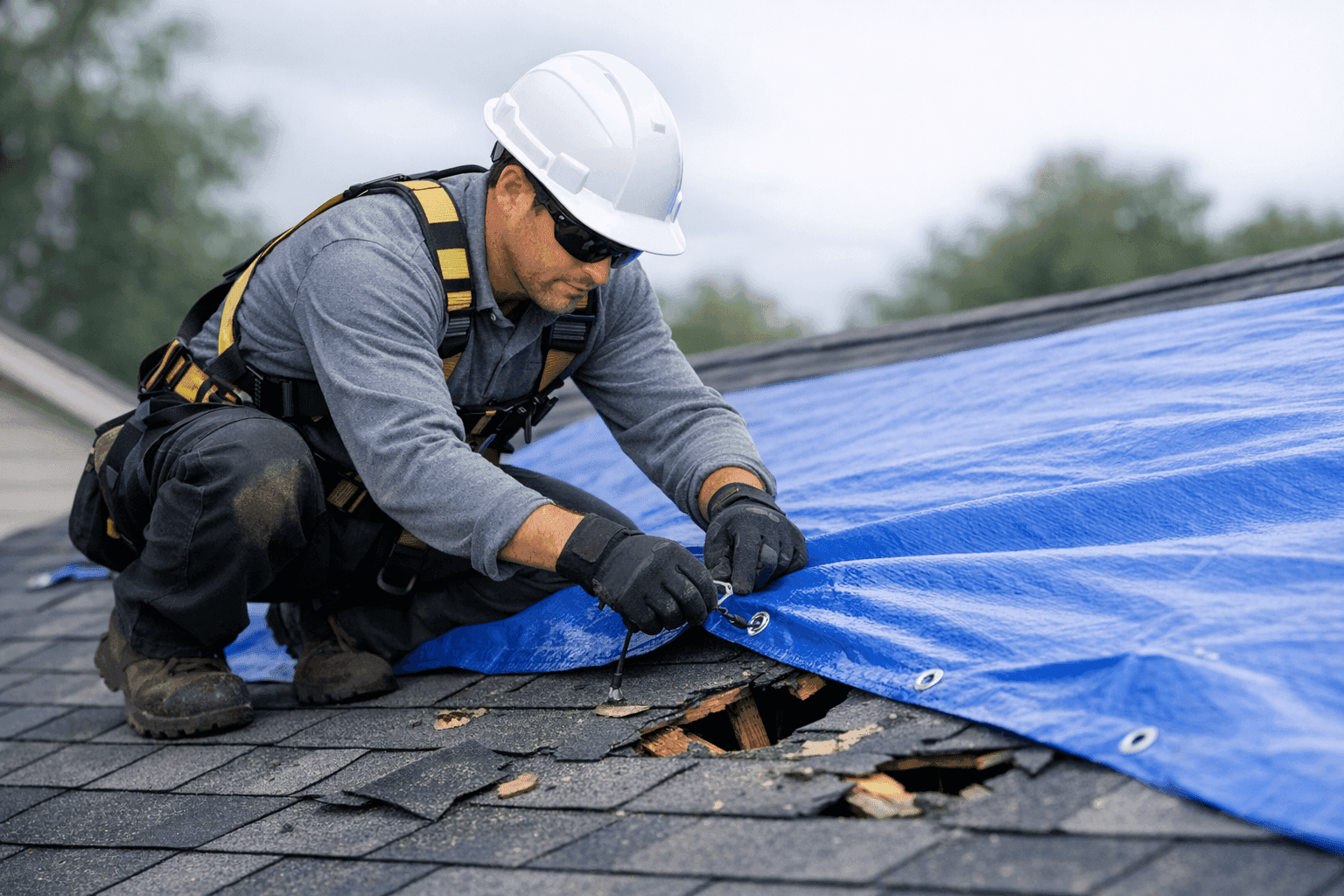
When a storm hits or water starts dripping through your ceiling, panic can set in fast. You want answers—fast. At Shindo Trust Roofing, we understand how stressful a roofing crisis feels. That’s why our certified team responds with urgency, skill, and empathy, helping homeowners and building managers regain control when it matters most.
But what truly counts as a roofing emergency? And what should you do before the professionals arrive? Let’s break it down clearly and simply, so you’re prepared if disaster strikes.
Emergency Scenarios: What Really Counts? ⚡
Not every roofing problem is an emergency, but some situations demand immediate action. Here’s what qualifies as a true roofing emergency:
- Active, Uncontrolled Leaks: Water streaming or dripping through your ceiling during or after rain. If buckets are filling up, you’re in emergency territory.
- Storm Damage Holes: Tree branches, hail, or wind have punched holes or ripped off shingles, exposing the inside of your home or building.
- Structural Collapse: If any part of the roof sags, bows, or gives way underfoot, it’s time to evacuate and call for help.
- Fire or Electrical Risk: Leaks near electrical panels, light fixtures, or wiring can spark dangerous situations.
- Blown-Off Roofing Material: Large sections of shingles, flashing, or metal roofing torn off by wind, leaving underlayment or wood visible.
- Sudden Skylight or Chimney Flashing Failure: If water is pouring in around a skylight or chimney, rapid attention is needed.
Minor drips, a missing shingle or two, or seasonal wear and tear usually don’t warrant a 2 a.m. call. But anything putting people, property, or safety at risk? That’s an emergency.
Safety First Steps: Protect People, Not Property
When disaster strikes, your instinct might be to save your belongings. But safety comes first—always. Here’s a quick checklist:
- Evacuate Danger Zones: If the ceiling is bulging, cracking, or water is pouring in, clear the area. Collapsing drywall can injure.
- Shut Off Electricity: If water is near outlets or fixtures, turn off the breaker for that room. Water and electricity don’t mix.
- Contain Water: Place buckets or towels to catch drips. Move valuables and electronics away from leaks.
- Avoid the Roof: Don’t climb up to inspect damage during storms, at night, or if the structure is unstable. Falls are the most common cause of roofing injury, according to the National Safety Council.
Your home can be repaired. People can’t be replaced.
Temporary Measures: What You Can Safely Do
There are a few things you can do to minimize damage—without risking a trip to the emergency room:
- Tarping: If you have a safe, accessible attic window and the storm has passed, you might gently cover a hole with a tarp from the inside, taping it down to block rain.
- Mop Up: Use towels or mops to dry floors and prevent slipping.
- Document Damage: Snap photos of leaks, fallen branches, or interior water stains for your insurance claim.
- Leave Major Repairs to the Pros: Never attempt to patch, nail, or walk on a damaged roof yourself in wet or windy conditions.
In most cases, temporary solutions are just that—temporary. A professional response is essential for long-term safety and protection.
Professional Response Timeline: What to Expect
You’ve called for emergency help. What happens next? Fast, clear communication is key.
- Rapid Assessment: Shindo Trust Roofing’s trained dispatcher gathers details about your situation. We prioritize calls based on risk and severity.
- Safety-Certified Arrival: Our certified team arrives with proper safety gear, ladders, tarps, and emergency materials—often within hours, day or night.
- Stabilization: The first goal is to stop further damage. We’ll tarp or patch the roof, seal leaks, and clear debris.
- Inspection: Once safe, we’ll inspect the full extent of the damage—both outside and inside. Our team follows OSHA and local building code guidelines for all emergency work.
- Detailed Documentation: We take photos, write up a report, and help you gather everything needed for insurance claims.
- Repair Plan: You’ll receive a clear, written summary of findings and next steps, including repair options and a realistic timeline.
When It’s an Emergency—And When to Wait
It’s not always easy to tell if you should call for urgent help. Here’s a quick guide:
Emergency—Call Now:
- Rain is pouring into your living space
- The roof is visibly sagging or has collapsed
- There’s a risk of electrical shock or fire
- A tree or heavy debris has damaged the roof
Non-Emergency—Schedule Soon:
- Small, slow drips
- Isolated missing shingles after a storm
- Minor gutter issues
If you’re unsure, err on the side of caution. Our emergency roofing team is available 24/7 to answer questions and respond when minutes matter.
Insurance Documentation: How to Protect Your Claim
Emergency roof repairs usually involve insurance claims. Here’s how to make the process smoother:
- Take Photos: Capture every angle—outside and inside.
- Save Receipts: Keep all invoices, repair estimates, and receipts.
- Log Events: Write down when the damage occurred, weather conditions, and any steps you took to contain it.
- Contact Your Insurer Quickly: Most policies require prompt reporting.
Our team works directly with adjusters. We know the paperwork and speak their language, making sure your claim has the evidence it needs.
Rapid Repair Protocols: How Pros Keep You Safe
When the pros arrive, speed is balanced with safety. Here’s what certified crews do:
- Assess Structural Risks: Before anyone goes up, we check for hidden weaknesses using industry best practices, as recommended by the National Roofing Contractors Association (NRCA).
- Temporary Weatherproofing: Heavy-duty tarps, fasteners, and water-blocking sealants go on first.
- Debris Removal: Broken shingles, branches, or blown insulation are safely cleared.
- Moisture Mapping: We use moisture meters to find hidden wet spots that could lead to mold.
- Plan for Permanent Repairs: Temporary fixes buy time, but lasting repairs follow as soon as weather and materials allow.
Local Support Availability
Roofing emergencies don’t wait for business hours. That’s why Shindo Trust Roofing’s crews are ready day or night, in all seasons. If you’re in the area, our Blaine team is always on call for fast, professional support when the unexpected happens.
How to Stay Safe Until Help Arrives
A few practical tips:
- Don’t sleep under a leaky or sagging ceiling.
- Keep kids and pets away from damaged rooms.
- Avoid plugging in electronics where leaks are present.
- If water reaches your breaker box, leave the house and call for help.
Common Mistakes to Avoid
- Delaying the Call: Waiting can multiply damage—and repair costs.
- DIY Roof Climbing: Even one misstep can lead to injury or worse.
- Throwing Away Damaged Materials: Your insurer may want to inspect them.
- Ignoring Small Leaks: A trickle today can be a flood tomorrow.
Seasonal Considerations: Storms, Snow, and Ice
Emergencies change with the weather:
- Spring/Summer: Thunderstorms, hail, and tornadoes can tear shingles or drop branches.
- Fall: Clogged gutters can back up water under shingles.
- Winter: Heavy snow and ice dams can cause sudden leaks or even collapse.
Regular roof inspections and preventative maintenance—especially before storm season—can catch problems before they become emergencies.
Materials and Equipment Used in Emergencies
Our emergency kits include:
- Commercial-grade tarps and waterproof sealants
- Heavy-duty fasteners and flashing tape
- Moisture meters and safety harnesses
- Portable generators and lighting for night response
We use only materials approved by manufacturers and local code—a must for residential and commercial properties alike.
Residential and Commercial: The Differences in Emergency Response
While the basics of emergency roofing are the same, commercial buildings often have larger, flatter roofs and more complex drainage systems. Leak tracking, safety protocols, and material choices can differ. Our crews are certified for both residential and commercial emergencies, so you get the right fix, every time.
Preventative Maintenance: The Best Way to Avoid Emergencies
Most true emergencies start with a hidden problem: clogged gutters, aging shingles, poor flashing, or neglected repairs. A maintenance plan—seasonal inspections, gutter cleaning, and timely minor repairs—catches issues before they spiral.
Ask about Shindo Trust Roofing’s inspection and maintenance services to keep your property safe year-round.
FAQ: Roofing Emergencies, Answered
Q: Should I wait for the rain to stop before calling?
A: No—call as soon as you notice a serious leak or damage. We can often tarp and stabilize even in bad weather.
Q: Will my insurance pay for emergency repairs?
A: Most policies do cover sudden, accidental damage, but you’ll need documentation and prompt reporting.
Q: How long does emergency service take?
A: Emergency stabilization is usually fast—often within hours. Permanent repairs depend on weather, materials, and insurance approval.
Q: Is there a difference between residential and commercial emergencies?
A: Yes, but our certified teams handle both, using the right equipment and protocols for each property type.
Final Thoughts: Be Ready, Not Sorry
Roofing emergencies are rare, but when they hit, seconds count. Know the signs, stay safe, and call for help when you need it. Shindo Trust Roofing is always here—day or night—with the training, certifications, and compassion to get you through any crisis.
Call Shindo Trust Roofing now — or reach us anytime at 888-698-1884 .