How to Extend the Life of Your Roof: Expert Tips
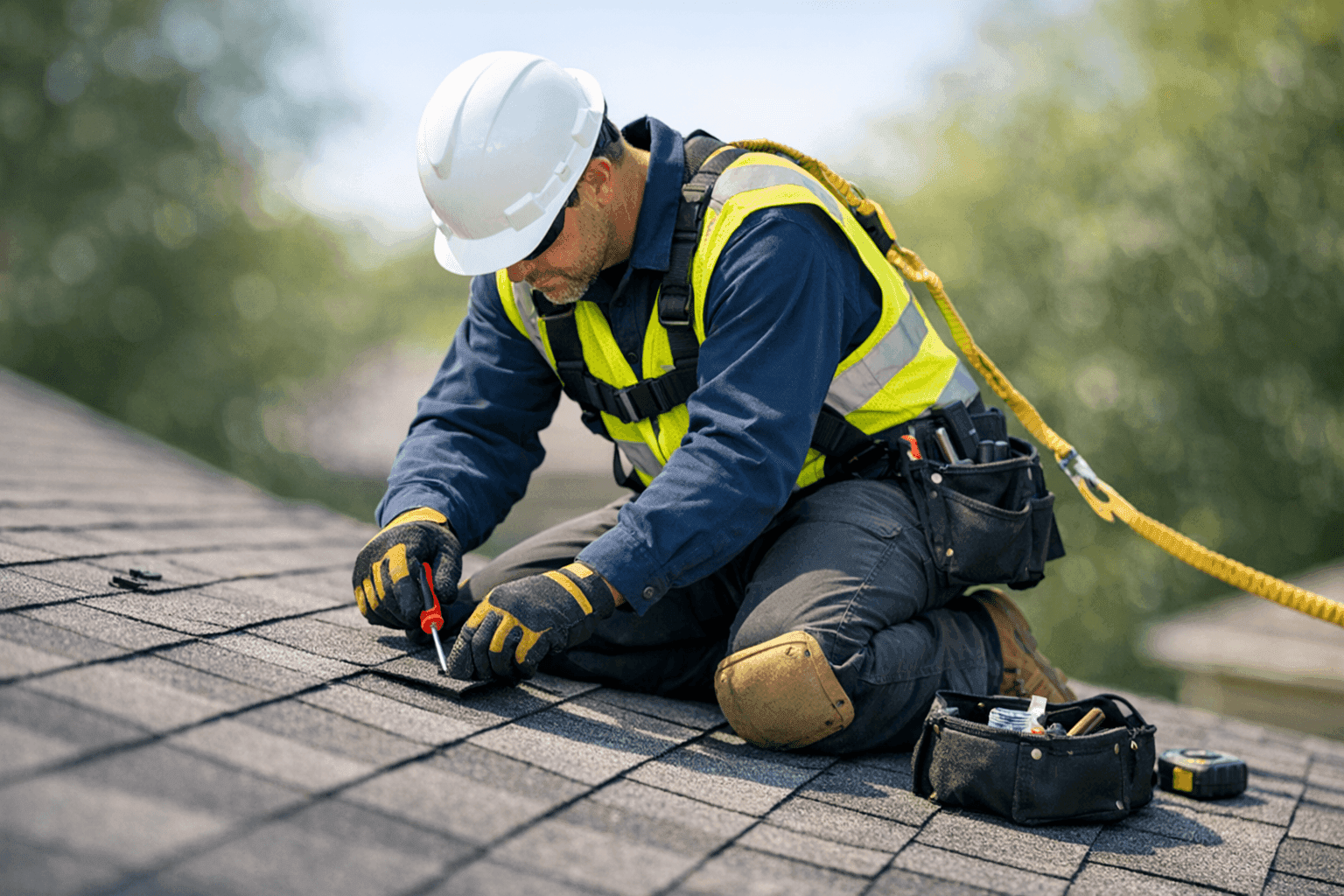
A roof is more than just shingles or panels overhead. It’s your home or business’s first line of defense—against rain, wind, summer sun, and winter cold. Ignore it, and you’ll pay later. At Shindo Trust Roofing, we know the difference between a roof that lasts 10 years and one that endures for decades often comes down to what you do between storms.
Here’s the truth: Most roof replacements happen early because of preventable neglect. Even the toughest shingle roofing near you can fail fast if small problems are left to fester. But with a few smart habits and timely professional help, you can sidestep surprise leaks and big repair bills.
Routine Checkups: Your Roof’s Annual Physical 🕵️
Think of your roof like a car. Even the best engine sputters without oil changes. The same goes for shingles, flashing, sealant, and gutters. An annual inspection—ideally every spring or fall—helps spot issues before they mushroom. According to the National Roofing Contractors Association (NRCA), yearly inspections are standard industry best practice.
- Look for missing, broken, or curling shingles.
- Check for cracked caulk, failing sealants, and exposed nail heads.
- Inspect gutters and downspouts for clogs, rust, or detachment.
- Watch for moss, algae, or lichen—nature’s sign your roof is holding unwanted moisture.
Professional inspections go deeper, revealing hidden risks in valleys, under eaves, and around chimneys. Field data shows that roofs with documented annual inspections have up to 30% fewer leaks over their lifespan.
Addressing Minor Issues: The Small Fixes That Save Big
That tiny stain on your ceiling? It’s never “just a stain.” Small leaks and missing shingles are early warning signs. Address them quickly, and you’ll save thousands.
- Replace cracked or missing shingles before water gets beneath the surface.
- Reseal flashing around plumbing vents, skylights, and chimneys.
- Patch nail pops and small punctures with appropriate roofing sealants.
Manufacturers like GAF and Owens Corning recommend immediate repair of minor defects to maintain warranty coverage and prevent structural compromise. Every delay invites water, rot, and mold.
Seasonal Care: Roofs Are Not Set-and-Forget
Seasons hit roofs differently. Summer sun bakes asphalt and dries out sealants. Winter brings ice dams and heavy snow loads. Fall fills gutters with leaves, while spring wind can lift shingles and expose seams.
- Clean gutters and downspouts every fall to prevent overflow and ice dams.
- After major storms, visually inspect for debris, missing shingles, or bent flashing.
- Trim overhanging tree limbs before storm season.
- In snowy climates, safely remove heavy accumulations to lighten the load.
If you’re in areas like Aurora, sudden hail or summer downpours are a reality, and quick post-storm checkups can make a world of difference.
Professional Maintenance Plans: Invest in Peace of Mind 🛠️
Even the most diligent property owners miss things. That’s where professional maintenance plans shine. Roofing pros bring trained eyes and specialized tools. At Shindo Trust Roofing, our technicians handle:
- Detailed inspections of decking, underlayment, and attic ventilation.
- Tightening or replacing loose fasteners.
- Clearing out valleys and gutters.
- Applying protective coatings or sealants where needed.
According to the International Association of Certified Home Inspectors (InterNACHI), professionally maintained roofs last 5–10 years longer on average. Maintenance plans also keep you in compliance with building codes and insurance requirements.
DIY vs. Hiring a Roofing Professional
There’s a place for DIY—clearing leaves, checking your attic after storms, or keeping gutters clean. But getting up on a roof is risky. Falls are a leading cause of home repair injury. For anything involving heights, damaged materials, or water intrusion, call a licensed roofer.
Professionals have the safety gear, experience, and manufacturer training to spot issues you can’t see from the ground. Plus, repairs done wrong can void warranties or make problems worse.
Signs of Trouble: Don’t Ignore These Red Flags ⚠️
Spotting early warning signs is half the battle. Act fast if you notice:
- Water stains on ceilings or walls.
- Sagging areas or dips in the roofline.
- Granules collecting in gutters (asphalt roofs).
- Daylight visible through attic boards.
- Peeling paint on roofline trim or siding.
Small problems left unchecked lead to bigger, more expensive repairs. According to the Asphalt Roofing Manufacturers Association, most leaks start with issues that cost less than $300 to fix—if caught early.
Prevention Pays Off: Why Neglect Costs More
Ignoring routine maintenance is like driving on bald tires. You might make it a while, but when things go wrong, they go very wrong.
- Water intrusion means mold, ruined insulation, and damaged framing.
- Insurance claims may be denied if lack of maintenance is to blame.
- Warranty coverage can vanish if the roof isn’t properly cared for.
- Full roof replacement costs five to ten times more than a preventative repair.
A proactive approach keeps your building safe, dry, and energy-efficient for years.
The Ventilation & Insulation Connection
Roofs need to “breathe.” Poor ventilation traps heat and moisture in your attic, warping decking and aging shingles prematurely. In winter, it can also cause ice dams—thick ridges of ice that block drainage and force water under shingles.
- Check attic vents for obstructions.
- Ensure insulation isn’t blocking airflow at the eaves.
- Consider professional evaluation if your attic feels damp, hot, or musty.
The U.S. Department of Energy recommends balanced ventilation and insulation to prevent premature roof aging and reduce energy bills.
Decking, Flashing, and Underlayment: The Hidden Heroes
The visible part of your roof is just the tip of the iceberg. Underneath, sturdy decking, watertight underlayment, and properly installed flashing do the heavy lifting.
- Replace soft or rotting decking when discovered.
- Inspect flashing at walls, chimneys, and valleys—this is where most leaks begin.
- Upgrade underlayment during reroofing for added protection.
Building codes (like those from the International Residential Code) specify standards for these components for a reason—cutting corners here shortens your roof’s life.
Gutters, Downspouts, and Drainage: Small Details, Big Impact 🌧️
Water is relentless. If it can’t flow off your roof and away from your foundation, it will find a way inside.
- Keep gutters clear of leaves, sticks, and debris.
- Fix loose or disconnected downspouts immediately.
- Add splash blocks or extensions to channel runoff away from your building.
Even a small gutter leak can saturate fascia boards and cause hidden rot.
When It's an Emergency: Act Fast, Stay Safe
Sometimes, storms or fallen branches create urgent problems. If you see active leaks, ceiling bulges, or structural sagging, act quickly.
- Contain water with buckets or tarps.
- Avoid electrical hazards—never handle wet wires.
- Call a pro immediately for emergency repair.
Reliable help is available, and communities like Aurora benefit from rapid response teams trained for local weather challenges.
Preparing for Service: How to Make Maintenance Smooth
Before your roofing appointment:
- Secure pets and clear vehicles from the driveway.
- Move patio furniture, grills, or potted plants away from the work area.
- Notify your roofer of any special concerns—like skylights, solar panels, or sensitive landscaping.
A little prep ensures your service goes quickly and safely.
Materials Matter: The Right Roof for the Job
Not all roofs are created equal. Metal roofing lasts longer than asphalt. Tile is rugged but heavier. Flat roofs need specialized membranes, while shingle roofing near you offers a balance of affordability and resilience.
When it’s time for replacement or an upgrade, consult with qualified roofers about your building’s needs, local climate, and budget. Manufacturer recommendations and local building codes (such as those cited by the International Code Council) are your roadmap.
Common Mistakes to Avoid
- Skipping annual inspections.
- Ignoring small leaks or missing shingles.
- Overlooking attic ventilation or insulation upgrades.
- DIY repairs without proper safety or materials.
- Letting gutters clog or sag.
Steering clear of these pitfalls adds years to your roof’s lifespan.
Frequently Asked Questions
Q: How often should my roof be inspected?
A: At least once a year, and after major storms.
Q: What’s the average lifespan of a shingle roof?
A: 15–30 years, depending on materials, installation, and maintenance.
Q: Can I walk on my roof to check it myself?
A: It’s safer to inspect from the ground or attic. When in doubt, call a professional.
Q: Does regular maintenance really make a difference?
A: Absolutely. It can extend your roof’s life by a decade or more and prevent costly surprises.
Final Word: Protect What Matters Most
Your roof is silent, steady, and often overlooked—until there’s a problem. Don’t wait for a leak to act. Regular checkups, prompt repairs, and professional guidance are the foundation of a long-lasting, worry-free roof.
Call Shindo Trust Roofing now — or reach us anytime at 888-698-1884 .