Gutter Repair: When to DIY and When to Call a Pro
Rain pounds your roof, and you hear it—a steady drip where there shouldn’t be one. Gutters are the unsung heroes of your home or business, quietly steering water away from foundations, siding, and walkways. But when they act up, the mess can sneak up fast.
At Shindo Trust Roofing, we know a leaky or sagging gutter isn’t just an eyesore—it’s a warning sign. Sometimes, you can roll up your sleeves and tackle the problem. Other times, it’s safer and smarter to call in a professional. Here’s how to tell the difference.
Common Gutter Problems: What Are You Up Against?
Gutters take a beating. Over time, a few usual suspects pop up:
- Clogs: Leaves, twigs, and shingle grit build up, blocking water flow.
- Leaks: Small holes or separated joints let water escape.
- Sagging: Gutters pull away from the fascia, often overloaded or with loose fasteners.
- Rust or corrosion: Metal gutters can weaken and develop holes.
- Improper pitch: Water pools instead of draining, often due to settling or poor installation.
Each problem comes with its own risks. Some are quick fixes. Others hint at bigger trouble lurking beneath.
DIY Repairs: When You Can Safely Handle It 🛠️
Some gutter repairs are like changing a light bulb—straightforward, if you’re careful.
Clogged Gutters
- What to do: Use a sturdy ladder, gloves, and a scoop to clear debris. Rinse with a garden hose.
- Watch for: Signs of nesting pests or black sludge (mold).
Minor Leaks
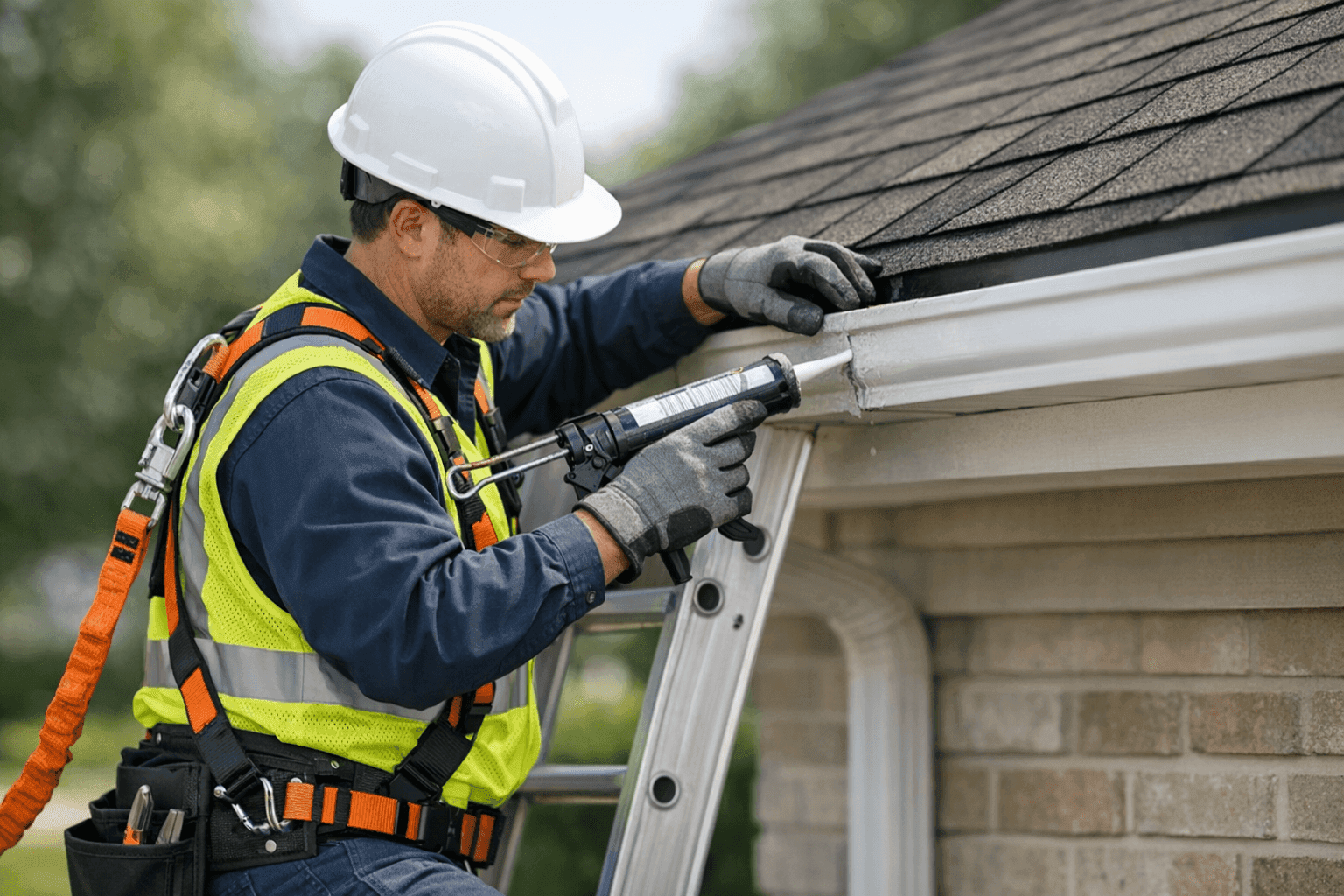
- What to do: For pinhole leaks or small cracks, clean and dry the area. Apply gutter sealant inside and out.
- Supplies needed: Gutter sealant, putty knife, rags.
Loose Brackets
- What to do: Tighten or replace gutter hangers with a drill.
- Tip: Use corrosion-resistant screws for better hold.
Safety tip: Always work with a spotter if you’re using a ladder. The U.S. Consumer Product Safety Commission reports thousands of ladder-related injuries every year.
When to Call a Pro: Know Your Limits
Some repairs are like iceberg tips—what you see isn’t the whole story. Here’s when it’s best to step back:
Hidden Water Damage
If you spot water stains on siding, peeling paint, or mold near your foundation, the problem may run deeper than the gutters. Water can sneak behind fascia boards, rot wood, and even seep into your attic.
Persistent Sagging or Pull-Away
If gutters won’t stay put, even after you tighten the brackets, the wood beneath might be rotten or warped. This calls for structural repair.
Major Leaks and Joint Failures
Large leaks, separated seams, or rusted-through sections usually need more than sealant. These issues often require section replacement or specialized tools.
Second-Story or Steep Roofs
If your gutters are high up or your roof is steep, safety risks multiply. Professional crews use harnesses, stabilizers, and have the training to handle tricky heights.
After a Storm
If a recent storm has battered your property, damage can be widespread and hard to spot. Pros know where to look—even in places you can’t see from the ground.
If you’re dealing with any of these issues, our gutter repair services are designed to address both the visible and hidden problems, ensuring your home or business stays protected.
Quick Safety Checklist Before You Start
- Inspect your ladder for stability. Never stand on the top step.
- Wear gloves and safety glasses.
- Avoid working alone on high or uneven ground.
- Watch for overhead power lines.
- Don’t attempt repairs in wet or windy conditions.
Your safety is worth more than any DIY savings.
Tools and Materials: What You’ll Need
If you’re set on tackling a minor fix, gather these basics:
- Sturdy extension ladder
- Work gloves and non-slip shoes
- Gutter scoop or garden trowel
- Garden hose with spray nozzle
- Gutter sealant or patch kit
- Drill and corrosion-resistant screws
- Bucket for debris
For anything beyond this list—especially if you need to replace sections or work near electrical lines—professional help is the safer choice.
Signs of Trouble: What to Watch For
Not every gutter issue is obvious from the curb. Keep an eye out for:
- Water spilling over the edges during rain
- Gutters pulling away from the house
- Pools of water near the foundation
- Paint peeling on siding below gutters
- Visible rust, holes, or cracks
Catching these early can save you from bigger headaches later.
What Pros Do on Arrival
A professional crew doesn’t just patch what’s visible. Here’s what to expect:
- Full inspection: Checking for hidden rot, loose flashing, and improper pitch.
- Testing: Running water through the system to spot leaks or pooling.
- Repairs: Sealing, reattaching, or replacing damaged sections.
- Clean-up: Removing debris and ensuring downspouts flow freely.
They follow standards set by the National Roofing Contractors Association and OSHA for jobsite safety.
Preventing Future Issues: A Little Care Goes a Long Way 🍂
Regular maintenance is the secret to long-lasting gutters:
- Clean gutters at least twice a year—more often if you have overhanging trees.
- Install gutter guards to block leaves and debris.
- Check for loose fasteners and reseal joints as needed.
- Inspect after major storms for hidden damage.
Consider scheduling annual inspections with a trusted roofing team. Preventative care is always less costly than emergency repairs.
Costs and Time Factors: What to Expect
- DIY fixes: Minor cleaning or sealing usually takes 1–2 hours and costs less than $50 in materials.
- Professional repairs: Depending on the damage, expect a few hours to a full day of work. Costs vary with gutter type, height, and extent of repair.
Remember, cutting corners on safety or materials can lead to bigger bills down the road.
When It’s an Emergency
If you notice water pouring into your basement during a storm, or if a section of gutter is dangling dangerously, don’t wait. Quick action can prevent costly structural damage or even injury.
For residents and businesses in the Mount Pleasant area, timely help is available when sudden weather hits.
Seasonal Considerations: Timing Your Repairs
- Spring: Clear out winter debris and check for ice damage.
- Summer: Address leaks before heavy rains.
- Fall: Remove leaves and prep for winter.
- Winter: Watch for ice dams and icicles, which can damage gutters and roofing.
Scheduling repairs and cleanings at the right time keeps your system working year-round.
Common Mistakes to Avoid
- Ignoring small leaks—they rarely stay small.
- Using the wrong sealant or fasteners.
- Overreaching from a ladder instead of moving it safely.
- Forgetting to check downspouts for clogs.
A little patience (and the right tools) goes a long way.
FAQ: Your Gutter Repair Questions Answered
Q: How often should I clean my gutters?
A: At least twice a year, or more if you have pine trees or heavy foliage.
Q: Can clogged gutters really damage my roof?
A: Absolutely. Overflowing water can back up under shingles, causing leaks and wood rot.
Q: Do I need to replace the whole system if there’s a leak?
A: Not always. Many leaks can be sealed, but widespread rust or sagging may require replacement.
The Benefits of Professional Repairs
Choosing a pro means more than a quick fix. It means:
- Thorough inspections—catching what you might miss.
- The right materials for your specific gutter and roofing type.
- Work done to code, following safety guidelines.
- Peace of mind knowing the job was done right.
If you’re ever unsure, it’s better to ask for help than risk your safety or your property.
Call Shindo Trust Roofing now — or reach us anytime at 888-698-1884 .