The Homeowner’s Guide to Roof Inspections
Are you staring up at your roof, wondering what secrets it might be hiding? You’re not alone. Most homeowners and business owners rarely think about their roof—until stains appear on the ceiling or a shingle lands in the yard after a storm.
Regular roof inspections help catch small problems before they turn into big headaches. At Shindo Trust Roofing, we know a healthy roof is more than shingles and nails. It’s about peace of mind for your family, your tenants, and your investment.
Why Roof Inspections Matter 🏠
Think of your roof like the lid on a sturdy box. When it’s strong and secure, everything inside stays safe and dry. But if there’s a weak spot—even a tiny one—water, wind, and pests can sneak in. That’s where routine inspections come in.
Professional roof inspections aren’t just for people selling their homes or after a disaster. They’re a regular health checkup, recommended by the National Roofing Contractors Association (NRCA) at least twice a year—usually in spring and fall. Inspections help extend roof life, maintain warranties, and can even help you navigate insurance claims after storms.
What to Expect During a Roof Inspection
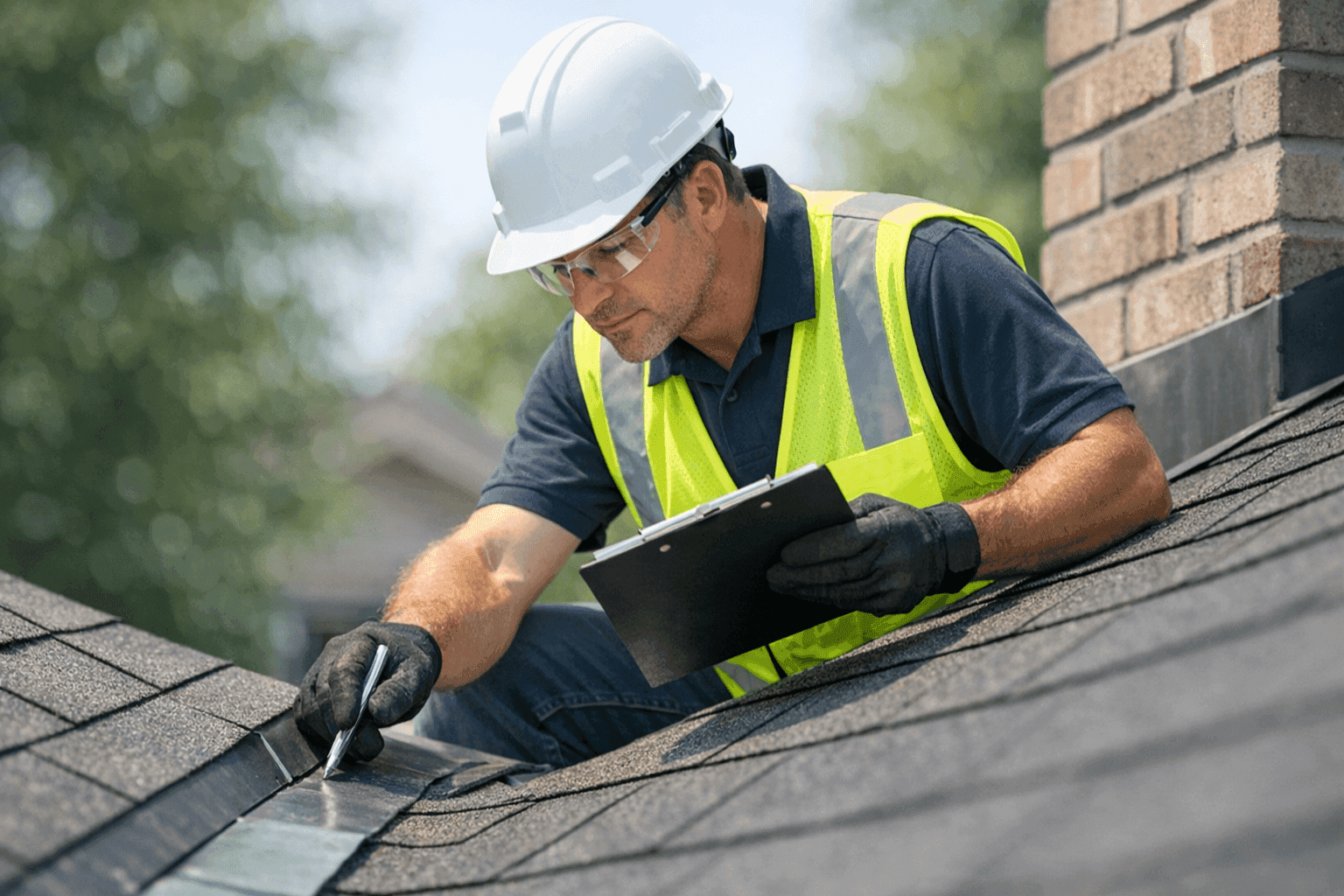
A roof inspection isn’t just someone glancing at your shingles from the driveway. It’s a thorough, hands-on process. You can expect our certified inspectors to arrive with specialized tools, checklists, and—most importantly—a trained eye sharpened by ongoing education and industry certifications.
We start outside, walking the perimeter and looking for visible signs of trouble. Then, we carefully access the roof (when it’s safe) to inspect up close. In some cases, we’ll check your attic or upper crawlspaces to see what’s happening beneath the surface. Safety comes first: inspectors follow OSHA fall protection guidelines at all times.
Key Areas Checked by Inspectors
So, what do inspectors actually look for? Here are the main points:
- Shingles and Tiles: Missing, cracked, curled, or blistered shingles are like loose puzzle pieces on your roof—each one matters.
- Roof Flashing: Metal strips around chimneys, vents, and skylights prevent water from sneaking in. Any gaps or rust can spell leaks.
- Gutters and Downspouts: Clogged or sagging gutters can cause water to back up under shingles or damage your foundation.
- Ventilation & Insulation: Proper airflow prevents mold, ice dams, and premature aging. Inspectors check for blocked vents or poor insulation.
- Sealants and Coatings: These are your roof’s raincoat. Inspectors look for cracks, peeling, or missing sealant.
- Roof Decking: Soft spots or sagging can mean hidden water damage or rot.
- Chimney Flashing & Skylights: These areas are leak-prone and need special attention.
- Structural Integrity: Inspectors look for bowing, sagging, or shifting that could signal serious issues.
Quick Safety Checklist Before Inspection
Before your inspector arrives, there are a few simple steps you can take:
- Secure pets inside.
- Move vehicles away from the driveway or garage.
- Remove patio furniture, grills, or toys near the house.
- Make sure gates are unlocked for easy access.
- If you have attic access, clear a path to the hatch.
These small actions make the inspection safer and smoother for everyone.
DIY vs. Professional Roof Inspections
It’s tempting to grab a ladder and look for problems yourself. While a basic visual check from the ground is smart, climbing onto your roof is risky. Most issues—like subtle flashing gaps, membrane blisters, or attic mold—are easy to miss without training.
Certified professionals use moisture meters, drones, and infrared cameras when needed. They know what a tiny crack today means for your roof six months from now. If you want a thorough assessment, always call a pro.
What Pros Do On Arrival
When a Shindo Trust Roofing inspector arrives, they’ll introduce themselves, review your concerns, and explain the inspection process. Every step follows industry best practices. Our team holds recognized certifications and stays up-to-date with the latest materials and safety codes. This means you get unbiased, code-compliant advice—never a sales pitch.
If you’re curious about the details, you can read more about our approach on the roof inspection service page.
Prevention & Maintenance: Staying Ahead of Trouble
Roof inspections are the heartbeat of a good preventative maintenance plan. By catching cracked shingles or loose flashing early, you avoid more expensive repairs down the road.
Did you know? Even a small leak can cause thousands of dollars in structural repairs, mold remediation, and lost business for commercial owners. Prevention is always less costly than neglect.
Costs & Time Factors
How long does a roof inspection take? For most single-family homes, set aside one to two hours. Larger commercial properties or steep, complex roofs may take longer. Costs vary by region, roof size, and type—but remember: the small investment in an inspection can save you a fortune in major repairs later.
When It’s an Emergency
After a big storm, high winds, or hail, don’t wait. Schedule an inspection right away—even if you don’t see obvious damage. Some issues, like bruised shingles or hidden punctures, may not show up for weeks. If you’re in an area like Burlington, rapid response is available year-round for urgent needs.
Seasonal Considerations for Roof Inspections
Spring thaw reveals winter’s secrets—ice dam scars, loose flashing, or mold. Fall inspections prep your roof for snow, rain, and wind. In hot climates, summer sun can warp or blister materials. The best time for a checkup is before extreme weather hits, but any time is better than never.
Common Mistakes Homeowners Make
- Ignoring minor leaks until they become major problems
- Skipping regular inspections
- Relying on unlicensed or uninsured “handymen”
- Forgetting about gutters or attic ventilation
- Putting off repairs after a storm
A little attention now prevents a world of trouble later.
Signs of Roof Trouble
Keep an eye out for:
- Water stains on ceilings or walls
- Sagging sections of roofline
- Granules in gutters (from asphalt shingles)
- Curling, missing, or damaged shingles
- Rusted or loose flashing
- Mold or mildew in attic spaces
If you spot any of these, call for an inspection sooner rather than later.
Timeline & Disruption: What to Expect
Worried about mess or noise? Most inspections are non-invasive and cause minimal disruption. Inspectors use ladders, not heavy equipment. If repairs are needed, we’ll work with your schedule to minimize impact—especially important for businesses and busy households.
Materials & Equipment Used by Inspectors
Today’s inspectors go beyond the flashlight and tape measure. They use:
- Moisture meters to detect hidden leaks
- Infrared cameras for spotting cold spots or trapped moisture
- Drones for hard-to-reach areas (with your permission)
- Safety harnesses, helmets, and fall protection gear
All work follows the Occupational Safety and Health Administration (OSHA) guidelines and local building codes.
Industry Certifications: Why They Matter
Roof inspection isn’t guesswork. Certified inspectors have completed rigorous training and must stay current with evolving best practices. Look for credentials like NRCA membership, manufacturer certifications, and proper insurance. At Shindo Trust Roofing, our team holds all required certifications, so you know your inspection is thorough and unbiased.
Post-Inspection Steps (And What’s Next) 📝
After the inspection, you’ll receive a detailed report. This includes photos, descriptions of any issues, and clear recommendations. You’ll know exactly what needs attention—whether it’s a quick roof repair, preventative maintenance, or just monitoring for future changes.
Take time to read your report. Ask questions. Your inspector is there to explain every finding in plain language, not roofing jargon.
FAQ: Your Roof Inspection Questions Answered
How often should I schedule an inspection?
Twice a year is the gold standard: once in spring, and again before winter. After major storms, schedule an extra check.
Will my inspection void my roof warranty?
No. In fact, most major manufacturers require regular professional inspections to keep your warranty valid.
Can I stay home during the inspection?
Absolutely. Inspections are non-intrusive, and you can go about your day.
What if you find damage?
You’ll get a clear, honest report and practical next steps—never a hard sell.
The Bottom Line
Your roof shields everything you care about. Regular inspections aren’t just another chore—they’re an essential part of protecting your investment and your peace of mind. Whether you’re a homeowner or managing a commercial property, putting off inspections is like driving a car without ever checking the oil. Problems caught early are always easier—and less costly—to fix.
Call Shindo Trust Roofing now — or reach us anytime at 888-698-1884 .