How to Handle Roof Leaks During Heavy Rain
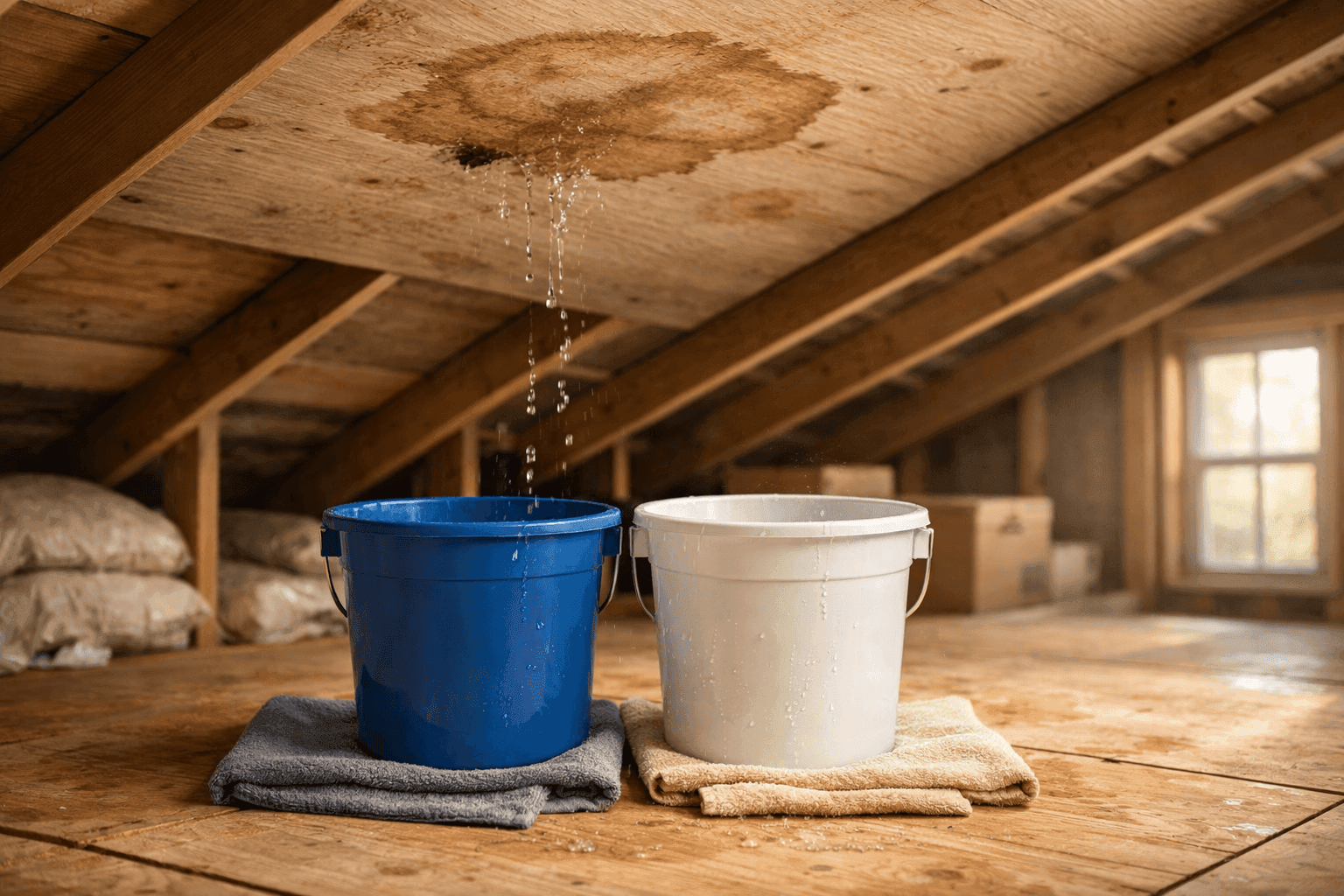
Heavy rain pounds the roof. Suddenly—drip, drip, drip. Water invades your space, bringing worry and chaos with it. Roof leaks never arrive with an invitation. They show up unannounced, often at the worst moments, and can cause major headaches if not handled promptly.
At Shindo Trust Roofing, we’ve seen the panic that follows a roof leak. But with the right steps—and a calm approach—you can limit the damage and keep your household or business safe until professionals arrive.
The First Few Minutes: Immediate Steps to Contain the Leak
The storm outside may seem relentless. But acting quickly inside can make all the difference. Here’s how to take control, even when the rain feels like it’s winning:
- Collect the Water: Place buckets, pots, or any sturdy containers directly under the drip. Lay towels around the area to soak up smaller splashes.
- Move Valuables: Shift electronics, furniture, and important documents away from the leak's path. Water can ruin much more than just the ceiling.
- Relieve Pressure: If you notice a bulge in your ceiling, carefully poke a small hole with a screwdriver to let the water drain into your bucket. This can prevent a sudden, messy collapse.
- Switch Off Electricity: If water is near light fixtures or outlets, turn off the circuit at the breaker box—don’t just flip the switch. Safety first.
Think of it like bailing out a sinking boat. The faster you scoop, the less damage finds its way below the surface. ⚠️
Short-Term Fixes: What You Can Do Until Help Arrives
Sometimes, you need to hold back the tide with whatever you have on hand. These temporary solutions won’t solve the problem—but they might buy you precious time:
- Plastic Sheeting: If the leak is from a roof section you can safely access (like an attic), use heavy-duty plastic or a tarp to cover the area from the inside.
- Roof Patch (Only If Safe): For minor leaks and if you can safely reach your roof—think single-story, not slippery—apply roofing tape or patching compound. Always use stable ladders and never risk a fall.
- Absorbent Materials: Old towels or rags tucked around the leak’s origin can slow spreading moisture.
Remember, these are sandbags, not a dam. Once the rain stops, these patches can fail quickly.
Quick Safety Checklist for Roof Leaks
When panic sets in, it’s easy to overlook hazards. Run through this mental checklist:
- Is the leak near any electrical source? Turn power off in the affected area.
- Is ceiling paint bubbling or sagging? It could collapse under water’s weight.
- Are floors slippery? Use towels or rugs to prevent falls.
- Is there an active storm? Avoid going outside or climbing on the roof until it is safe.
Stay on the ground and keep your feet dry. Your safety comes before any patch job.
What Not to Do When Your Roof Springs a Leak
Sometimes, good intentions create bigger problems. Here’s what to skip:
- Don’t Climb on a Wet Roof: Even seasoned roofers avoid this during storms. It’s a fast track to injury.
- Don’t Poke Around with Metal Tools: Especially near wires or outlets.
- Don’t Ignore the Leak: Small drips can hide bigger issues. The sooner you act, the less you lose.
- Don’t Delay Cleanup: Mold can start growing in just a day or two.
A roof leak is not a DIY hero moment. Some things are better left to trained hands.
When Is It an Emergency? Recognizing Critical Roof Leak Situations
Not every drip is the same. When should you treat a leak as urgent?
- Water pouring in, not just dripping.
- Leak near electrical panels or major appliances.
- Large sections of ceiling sagging or collapsing.
- Multiple leaks at once, especially after severe weather.
In these cases, rapid professional response is essential. Our emergency services team is trained for exactly these moments—ready to act when every second counts.
Call a Professional or DIY? How to Decide
Some home repairs invite a weekend project. Roof leaks during storms do not. Why?
- Hidden Damage: The real problem is often above what you can see.
- Special Tools: Proper patches and sealants require more than a hardware store run.
- Insurance: DIY missteps can impact claims and coverage.
- Safety Risks: Slippery, high surfaces + electricity = danger.
A certified roofer knows what signs to look for and how to stop a leak at its source—not just its symptoms. For leaks big or small, our leak repair team can guide you through the next steps and prevent future headaches.
What to Expect When Professionals Arrive
When your roofing crew shows up, here’s what usually happens:
- Inspection: Locating the leak’s entry point, inside and out.
- Damage Assessment: Checking for soaked insulation, rotted decking, or mold.
- Temporary Protection: Emergency tarping (if needed) to keep water out until full repairs.
- Repair Plan: Clear explanation of what needs fixing, materials, and estimated timeline.
- Safety Measures: Following OSHA guidelines and local building codes for all work.
You’ll get answers, not just quick fixes.
Common Signs You Have a Roof Leak—Even Before the Storm
Some leaks develop quietly, well before the rain starts to fall:
- Discolored or stained ceiling tiles.
- Musty smells in upper floors or attic spaces.
- Peeling paint or bubbling plaster.
- Shingle granules in gutters after a storm.
- Sagging or warped rooflines.
Spotting these early can mean the difference between a minor repair and a major overhaul.
Mistakes Homeowners Make After a Roof Leak
It’s easy to get caught up in the moment. Here’s what we see most often:
- Waiting too long to call for help.
- Trying to dry things out with space heaters or hair dryers (fire risk!).
- Only fixing cosmetic damage—ignoring deeper structural issues.
- Forgetting to document damage for insurance.
Take photos of everything. Keep records. And call in help sooner, not later.
Seasonal Considerations for Roof Leaks
Winter snow, spring downpours, summer heat—each brings its own challenges:
- Winter: Ice dams can force water under shingles. Keep gutters clear and insulation adequate.
- Spring: Heavy rain finds every weakness. Check flashing and vent seals.
- Summer: UV rays degrade sealants and shingles.
- Fall: Leaves clog gutters, sending water over the sides and under eaves.
Regular maintenance can spot trouble before it turns into an indoor waterfall. If you’re in the area, our Hackensack roofing specialists are familiar with the seasonal patterns that impact roofs locally.
How to Prepare for a Roofing Service Visit
Make things easier for your repair team—and yourself:
- Clear access to the attic, if possible.
- Move vehicles away from driveways or access points.
- Secure pets and inform family members about the visit.
- Have a list of questions or concerns ready.
A little prep goes a long way in speeding up repairs and minimizing disruption.
What Do Roof Leak Repairs Cost? Time and Budget Factors
Costs can vary, but some general rules apply:
- Minor Patch: Quick fixes for small leaks may be affordable, but rarely solve the whole issue.
- Major Repairs: Structural damage, decking replacement, or skylight leaks are more involved.
- Insurance: Water damage from storms is often covered—document everything and contact your provider.
As for timelines? Simple repairs might finish in an afternoon. Complex leaks or replacement projects could take days, especially if weather delays access.
Prevention: Stop Leaks Before They Start
An ounce of prevention is worth a pound of buckets. Consider:
- Annual roof inspections—especially after major storms.
- Clearing gutters and downspouts regularly.
- Checking attic insulation and ventilation.
- Replacing cracked or missing shingles right away.
- Using quality sealants and coatings designed for your roofing system.
Resources like the National Roofing Contractors Association and local building codes offer more guidance on best practices.
Materials and Equipment: What Pros Use for Leak Repair
A pro’s toolkit is more than just ladders and hammers:
- High-grade roofing membranes and patching compounds.
- Specialized sealants for flashing and joints.
- Commercial-grade tarps and protective sheeting.
- Moisture meters to find hidden water.
- Safety harnesses and OSHA-approved gear.
These tools help ensure repairs aren’t just quick—but solid and code-compliant.
Timeline & Disruption: How Long Will Repairs Take?
Every leak is unique. Factors that affect repair speed:
- Weather—repairs pause during heavy rain or storms.
- Leak size and location—hard-to-reach leaks take longer.
- Materials—custom flashing or specialty shingles may need ordering.
- Insurance approvals—can add time, but help cover costs.
Expect noise, some dust, and workers moving in and out. Most reputable roofers tidy up as they go, minimizing the mess.
Frequently Asked Questions About Roof Leaks
Will my insurance cover a roof leak?
Generally, if the damage is sudden and accidental (like from a storm), yes. Gradual leaks from neglect may be excluded.
How soon should I call for help?
Immediately—water damage worsens fast. Even a slow drip can become a big problem overnight.
Can I patch the leak myself?
Only for the very short term, and only if it’s safe. Permanent fixes require training and tools.
Is it safe to stay inside?
If water is near electrical fixtures or there’s a risk of collapse, evacuate the area and call for help.
When heavy rain puts your roof to the test, don’t wait for the drips to multiply. Shindo Trust Roofing responds fast, follows certified repair standards, and puts your safety first.
Call Shindo Trust Roofing now — or reach us anytime at 888-698-1884 .