How Much Does a New Roof Cost? Factors to Consider
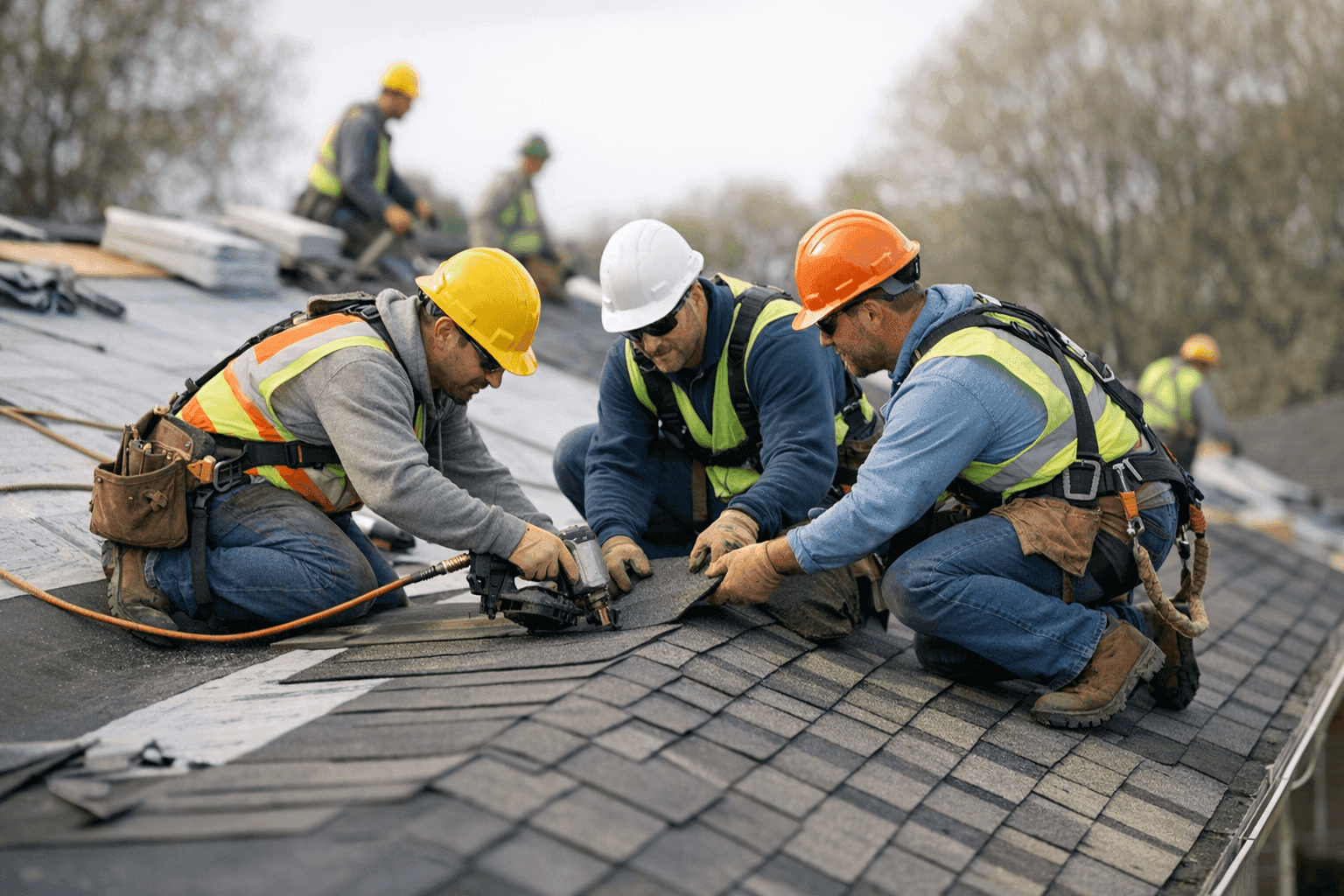
Replacing a roof is one of the biggest investments you’ll make in your property—whether it’s your family home or a commercial building you manage. The sticker shock can feel a bit like opening a surprise bill at a fancy restaurant. But when you know what goes into the price, the numbers start to make sense.
At Shindo Trust Roofing, we’ve walked countless homeowners and business owners through the process. We know you want clarity, not confusion. That’s why we break down every factor, so you can plan with confidence and avoid unwelcome surprises.
Material Choices: The Foundation of Roof Cost 🏠
The type of roofing material you choose is like picking the fabric for a suit—it sets the tone for everything else. Shingle roofing (asphalt) is popular for homes because it’s budget-friendly and durable. Metal roofing lasts longer but costs more upfront. Tile and slate roofs add elegance and longevity, but they’re heavier on the wallet and require stronger support structures.
For commercial buildings, flat roofs often use materials like TPO, EPDM, or modified bitumen. These are engineered for large, low-slope surfaces and have their own price points.
Common material options:
- Asphalt shingles (affordable, versatile)
- Metal panels (long-lasting, energy-efficient)
- Clay or concrete tiles (durable, heavy)
- Slate (premium, high-end)
- Flat roof membranes (TPO, EPDM for businesses)
Each material brings its own lifespan, maintenance needs, and installation quirks. That’s why the choice you make here ripples through the rest of your roofing project.
Roof Size: Square Footage Adds Up Fast
Roofing is measured in “squares”—one square equals 100 square feet. The bigger your roof, the more everything costs: materials, labor, underlayment, and even disposal of old material.
A cozy 1,500-square-foot ranch home? That’s a very different project than a sprawling commercial warehouse or a multi-story apartment complex. Don’t forget, complicated roof shapes with lots of angles or dormers mean more surface area than you might expect.
Labor: Skilled Hands Make All the Difference
Labor is often the largest part of your roofing bill. It’s not just about nailing down shingles or rolling out membrane. A good crew handles tear-off, prep, installation, and cleanup. They’re trained to work safely at heights, follow building codes, and spot hidden problems before they become disasters.
Wages vary by region, but the complexity of your roof matters too. Steep slopes, multiple stories, or tricky access all add to labor hours. Commercial jobs may require specialized equipment or larger crews to finish on schedule.
Roof Pitch: Steepness Changes Everything ⛰️
A steep roof is more dramatic—and more expensive to replace. Why? It’s harder to work on, takes longer, and may require extra safety measures. Flat roofs are easier to walk on, but they come with their own set of waterproofing challenges.
The pitch also affects how much material is needed. Even a small difference in angle can mean hundreds of extra square feet to cover.
Underlayment and Decking: The Hidden Backbone
Beneath your shingles or panels lies a world you never see. Underlayment (felt or synthetic) creates a moisture barrier, while decking (usually plywood or OSB) supports everything above.
If your decking is rotten or damaged, it must be replaced—adding to your cost. Some local codes require upgraded underlayment, especially in areas prone to storms or ice. Always ask if your quote includes repairs for hidden structural issues.
Chimneys, Skylights, and Special Features: The Cost of Complexity 🌤️
Every roof is unique. Chimneys, skylights, vents, and dormers are like speed bumps for roofers. Each one needs careful flashing and sealing to prevent leaks.
A home with three skylights and two chimneys will take longer and cost more than a plain, uninterrupted roof. Commercial buildings might have HVAC units or rooftop access hatches that require custom work.
Gutter Systems and Drainage
Don’t overlook gutters, downspouts, and drainage. Proper water management protects your foundation and landscaping. New roof projects often include gutter installation or repair, which adds to the overall price.
For businesses, large roof surfaces mean bigger, more complex drainage systems. It’s wise to address these at the same time as your roof replacement.
Storm Damage, Emergency Repairs, and Insurance
Sometimes, you don’t get to choose when your roof needs help. Hail, wind, or falling branches can force your hand. Emergency repairs might be more expensive due to urgency, temporary fixes, or insurance paperwork.
If you’re navigating an insurance claim, keep in mind that adjusters may not spot every issue. A thorough inspection from a trusted roofer ensures nothing gets missed.
When fast help is needed, Brooklyn Park roofing teams are available for urgent repairs and assessments, helping you get back on track quickly.
Residential vs. Commercial Roofs: What’s Different?
The basics are the same, but the scale and requirements change. Residential roofs typically use shingles, tiles, or metal. Commercial roofs are often flat, with specialized membranes and larger drainage needs.
Permitting, code compliance, and safety rules can be stricter for commercial projects. Expect more detailed planning, longer timelines, and higher costs for larger roofs.
Hidden Costs: What’s Not on the Sticker?
Some expenses hide below the surface, like roots under a sidewalk:
- Permit fees (required in most municipalities)
- Disposal of old roofing material
- Repairs to decking, fascia, or soffits
- Upgrades for ventilation or insulation
- Temporary protection if weather delays the project
Always ask for a detailed quote, and be wary of bids that seem “too good to be true.” They often skip over these essentials.
Value-Added Services: More Than Just a Roof
A good roofing company does more than hammer and nails. Preventative maintenance, regular inspections, and eco-friendly upgrades (like cool roof coatings or solar-ready prep) can add value and extend the life of your investment.
Some owners choose to combine services—like gutter cleaning, skylight repair, or chimney flashing—during a roof replacement to save on labor and downtime.
The Importance of Professional Installation
Roofing isn’t just a weekend project. Mistakes can void warranties, cause leaks, or even risk your safety. Building codes, OSHA safety standards, and manufacturer guidelines exist for a reason.
When you hire a pro, you get peace of mind. At Shindo Trust Roofing, our team follows industry best practices, uses proper safety gear, and stays up to date on local code requirements. We provide clear communication before, during, and after your project.
Accurate estimates matter. That’s why our new roof installation process includes a thorough inspection, detailed measurements, and honest recommendations—so you know exactly what you’re paying for.
Timeline and Disruption: How Long Will It Take?
A simple residential roof can take a day or two. Complex homes, larger buildings, or bad weather add time. Commercial projects may stretch over a week, especially if structural repairs or specialty materials are involved.
Expect some noise, dust, and temporary loss of access to parts of your property. Good crews minimize mess and keep you informed every step of the way.
Preventative Maintenance and Longevity
A new roof is a long-term investment. Regular inspections, cleaning, and minor repairs help you get the most from your new system. Think of it like oil changes for your car—small steps that prevent big problems.
For both homes and businesses, annual maintenance can catch issues early, extend roof life, and protect your warranty.
Practical Tips for Planning Your Roofing Project
- Get at least two or three detailed quotes. Compare apples to apples.
- Ask about material options, lifespan, and energy efficiency.
- Confirm what’s included: permits, cleanup, disposal, and repairs.
- Check for proper licensing and insurance.
- Read reviews and ask for references.
- Plan for the season—spring and fall are popular times for roofing, so book early if you can.
Frequently Asked Questions
How much does a new roof cost on average?
It varies widely—materials, size, and complexity all play a part. National averages range from $5,000 for a small shingle roof to $50,000+ for large commercial projects or premium materials.
Can I roof over my old shingles?
Sometimes, but it’s not always recommended. Removing old material gives you a chance to fix hidden problems.
Do I need to leave my home during installation?
Usually not, but expect noise and some disruption.
Is a permit required?
In most areas, yes. Your contractor should handle the paperwork.
How do I know if my roof needs replacement or just repair?
Visible leaks, missing shingles, sagging, or repeated repairs are signs it’s time for a new roof.
Building Codes and Safety: Why They Matter
Roofing isn’t just about looks. Local building codes (based on International Building Code standards) ensure your roof can handle wind, rain, and snow loads. OSHA regulations protect workers and your property.
A reputable roofer will explain which codes apply to your project and make sure every step is up to standard.
When to Call for Help
If you notice leaks, missing shingles, or storm damage, don’t wait. Small issues can become major headaches fast. Even if you’re not sure what’s wrong, a professional inspection can save money and stress down the road.
Local support is available for urgent needs—Brooklyn Park roofing experts are ready to assist with emergency repairs and quick assessments when the weather turns or unexpected damage strikes.
Roofing decisions don’t have to be overwhelming. Whether you’re planning a new installation or facing an unexpected repair, the right information helps you make smart choices for your property and your budget.
Call Shindo Trust Roofing now — or reach us anytime at 888-698-1884 .