How Proper Ventilation & Insulation Protect Your Roof
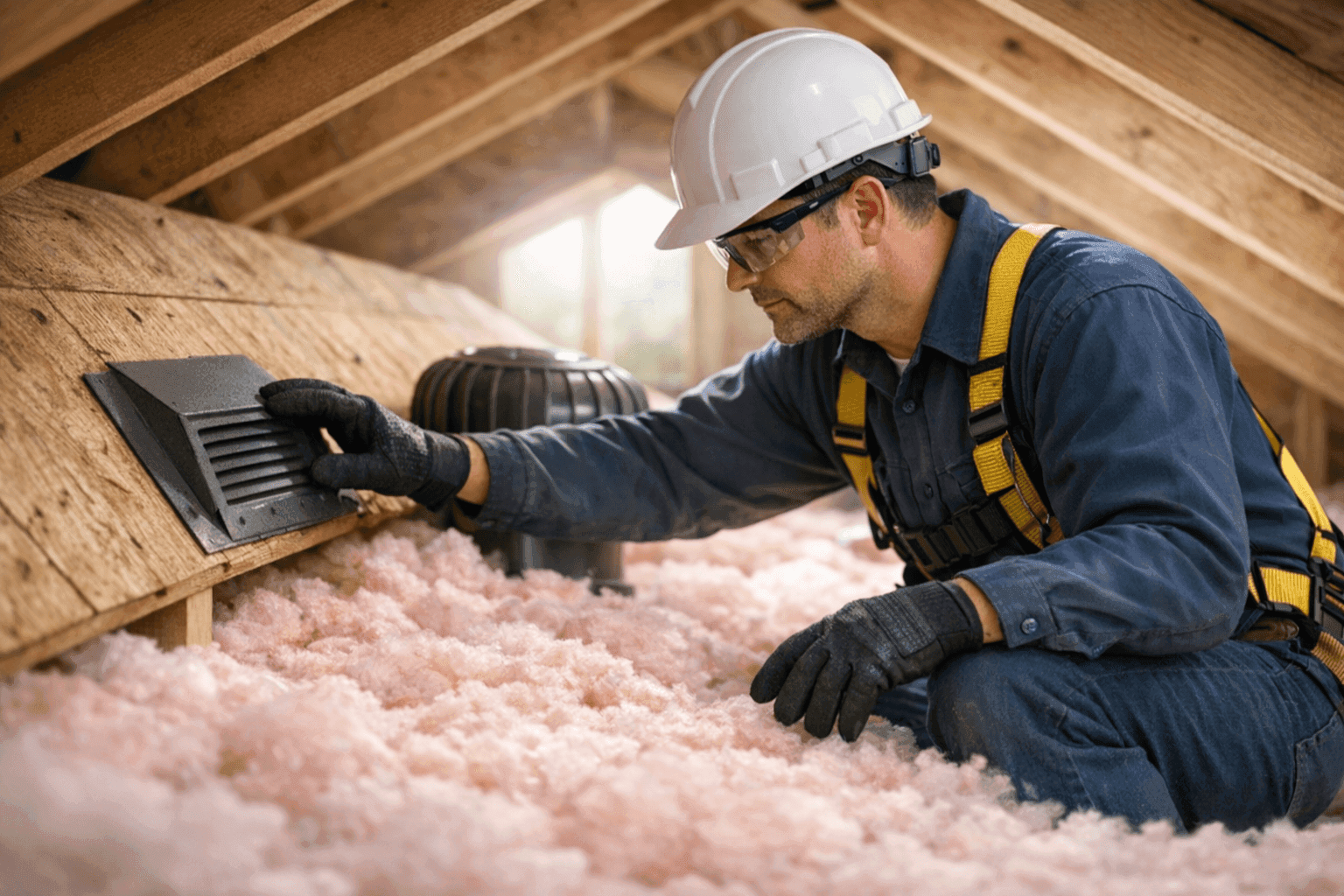
Is your attic stifling hot in summer, icy in winter, and always a little bit... musty? You’re not alone. Many homeowners and business owners don’t give much thought to what’s happening above the ceiling—until they spot a leak, sky-high energy bills, or mysterious stains creeping along the drywall.
Roofing isn’t just about shingles and flashing. At Shindo Trust Roofing, we know the real protection starts inside, where ventilation and insulation quietly guard your roof, your wallet, and your peace of mind.
Why Ventilation Matters 🛠️
Think of your attic like the lungs of your building. If air can’t flow in and out, everything suffocates. Heat and moisture build up fast—especially under a black shingle roof baking in the sun or in a flat-roofed commercial building.
Why does this matter?
- Heat: Trapped heat can cook shingles from underneath, making them brittle and shortening their life.
- Moisture: Even in winter, warm indoor air rises and hits the cold roof deck, condensing into droplets. Over time, this leads to rotting wood, mold, and even rusted fasteners.
- Poor ventilation can void manufacturer warranties on roofing materials.
- According to the International Residential Code (IRC), proper attic ventilation is required for most modern buildings to ensure safety and durability.
Insulation Basics: The Unsung Hero
Insulation acts like a giant thermos bottle, slowing the transfer of heat between the inside of your building and the outdoors. Not enough insulation? Your attic becomes a leaky sieve, letting expensive heating and cooling escape.
But insulation alone isn’t enough. Without ventilation, even the best insulation gets soggy, heavy, and ineffective. Imagine wearing a down jacket in the rain with no umbrella—eventually, you’re just cold and wet.
Key insulation facts:
- The U.S. Department of Energy recommends R-38 to R-60 for attics in most regions.
- Insulation keeps indoor air comfortable and reduces the load on HVAC systems.
- Combining insulation with ventilation maximizes both energy efficiency and roof health.
Signs of Poor Ventilation (Don’t Ignore These) 🚩
How do you know if your building’s “lungs” need help? Watch for these warning signs:
- Ice dams: Thick ridges of ice along the eaves in winter.
- Peeling paint: Especially near the roofline—moisture could be trapped inside walls.
- Moldy smells: A persistent, earthy odor in the attic or upper floors.
- Sagging or stained ceilings: Water vapor has nowhere to go.
- Hot or stuffy rooms upstairs: Especially in summer, heat can’t escape.
- Roof shingle curling or cracking: Heat and moisture damage from below.
Even a small issue can snowball into major repairs. Early detection is key.
How Heat and Moisture Damage Your Roof
Heat acts like a slow oven. It bakes the roof deck, warps wood, and ages roofing materials prematurely. Moisture is even sneakier. A few droplets, trapped in the wrong place, can lead to:
- Mold growth (which can spread quickly in dark, warm spaces)
- Wood rot, weakening the structural integrity
- Rusted nails and fasteners
- Insulation clumping, losing its ability to trap heat/cold
- Water stains and eventual leaks
Over time, these problems can turn a simple leak repair into a full-blown roof replacement. Prevention beats cure every time.
The Building Code: Not Just Red Tape
Proper ventilation and insulation aren’t just best practices—they’re law. The International Building Code and International Residential Code (IRC) set minimum standards for airflow and insulation thickness.
- Most codes require 1 square foot of ventilation per 150 square feet of attic space.
- Soffit, ridge, and gable vents help achieve balanced intake and exhaust.
- Inspections often include checking for blocked vents, proper baffle placement, and adequate insulation depth.
Skimping here can lead to failed inspections, insurance headaches, and expensive retrofits.
Upgrading Your System: What’s Involved?
Bringing your attic or roof up to code doesn’t mean tearing everything out. Sometimes, it’s as simple as adding a few vents or topping up insulation. Other times, older homes need a full ventilation redesign.
Typical upgrade steps:
- Assess current airflow and insulation depth
- Identify blocked, painted-over, or missing vents
- Install additional roof, ridge, or soffit vents as needed
- Add or replace baffles to keep insulation from blocking airflow
- Top off or replace insulation with modern, high-R-value material
A professional assessment can pinpoint exactly what you need. Learn more about modern solutions for ventilation and insulation upgrades.
Prevention and Maintenance: Your Year-Round Strategy 🕒
A little attention goes a long way. Here’s what property owners can do:
- Inspect the attic every season for dampness, mold, or critter nests
- Check vents outside for blockages (leaves, bird nests, debris)
- Look for frost, ice, or water stains in winter
- Schedule annual roof inspections with a qualified roofing contractor
Routine maintenance is far less expensive than emergency repairs.
DIY vs. Calling a Pro
Some fixes are simple—like clearing visible obstructions from roof or soffit vents. But beware: crawling around an attic can be unsafe, and improper installations may do more harm than good.
Call a professional if:
- You notice mold, persistent dampness, or structural decay
- There’s evidence of past fire, rodent, or storm damage
- Insulation is old, compacted, or of unknown type
- You’re unsure about current code requirements
Certified roofers have the training, safety equipment, and product knowledge to get it right the first time.
What Pros Do On Arrival
Expect a thorough approach. A professional will:
- Inspect the attic and roof exterior
- Measure existing insulation and airflow
- Use thermal cameras to spot cold spots or leaks
- Recommend fixes tailored to your building, not “one-size-fits-all” solutions
- Check for evidence of leaks or damage hidden from plain sight
This process ensures you get the best balance of comfort, savings, and roof protection.
Long-Term Benefits: More Than Just Savings 💡
The right mix of ventilation and insulation offers:
- Longer roof lifespan: Shingles, decking, and underlayment last years longer.
- Lower energy bills: HVAC runs less, saving money in every season.
- Fewer repairs: Dry, well-ventilated attics are less likely to develop leaks or rot.
- Healthier indoor air: Less mold, mildew, and allergens.
- Quieter rooms: Better sound insulation from rain, hail, and wind.
It’s the foundation of worry-free living and working, year after year.
Common Mistakes Homeowners Make
- Blocking soffit vents with insulation or storage boxes
- Ignoring weird smells or “harmless” stains in the attic
- Using incompatible insulation types (like mixing loose fill and batts)
- Skipping annual inspections
- DIY vent installations that disrupt airflow rather than improve it
Learning what not to do is half the battle.
Timeline and Disruption: What to Expect
Most insulation and ventilation upgrades take 1–2 days for a typical home. Commercial buildings may require more planning, but work can often be staged to minimize disruption. Your roofer should always leave the site clean and safe.
Emergency Situations: Don’t Wait
Sudden leaks, sagging ceilings, or visible mold? These are red flags. Quick action can mean the difference between a simple repair and total roof replacement.
If you’re facing urgent issues and need support in the area, you’ll find timely assistance on our Sioux City service page.
Seasonal Considerations
- Spring: Check for winter ice dam damage and clear debris before summer heat arrives.
- Summer: Watch for heat buildup and check attic temps.
- Fall: Ensure vents are clear before sealing up for winter.
- Winter: Monitor for frost, ice dams, and condensation.
Each season brings its own risks—and opportunities to stay ahead of trouble.
Materials and Equipment
Modern insulation options include fiberglass batts, blown-in cellulose, and spray foam. Ventilation can involve static vents, power fans, ridge vents, or solar-powered options. Your roofer should recommend materials based on your building’s age, roof type, and climate.
Frequently Asked Questions
How often should I check my attic?
At least twice a year—spring and fall are best.
Do I need both insulation and ventilation?
Yes. They work together to protect your roof and reduce energy costs.
Is this an expensive upgrade?
Costs vary, but many upgrades pay for themselves in energy savings and reduced repairs.
Will it disrupt my home or business?
Most jobs are completed in a day or two, with minimal mess or interruption.
Closing Thoughts
Proper ventilation and insulation don’t just protect your roof—they protect your investment, your comfort, and your health. Whether you own a historic home or a busy commercial property, these invisible guardians keep everything running smoothly above your head.
Call Shindo Trust Roofing now — or reach us anytime at 888-698-1884 .