How to Choose the Right Roofing Contractor
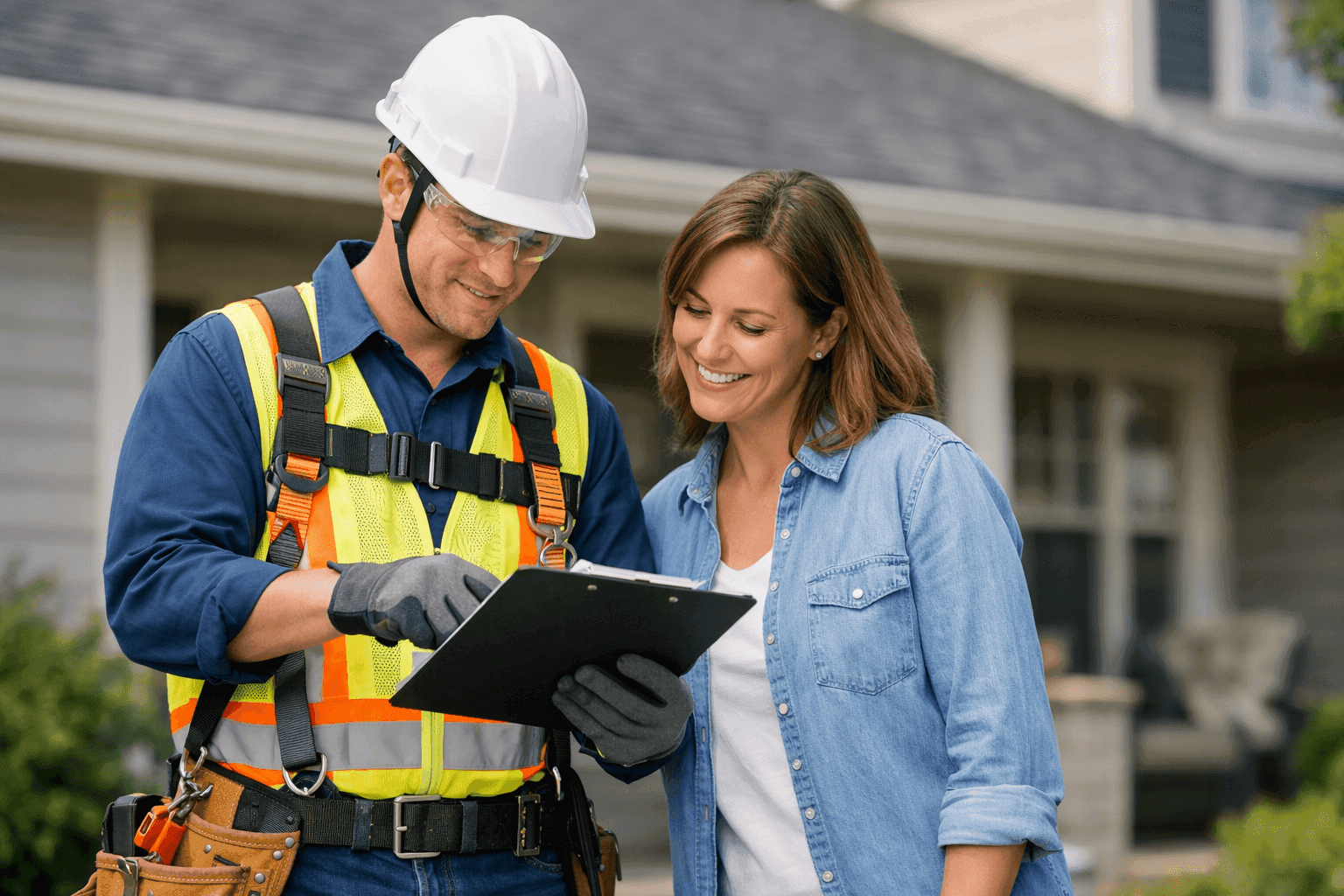
Choosing a roofing contractor can feel like stepping onto a tightrope with no safety net. Your home or business deserves care, honesty, and skill—especially when the roof over your head is at stake.
Whether you need a quick leak repair, a total roof replacement, or routine maintenance, trusting the wrong team can cost more than just money. It’s peace of mind. At Shindo Trust Roofing, we know how important it is to get this choice right.
Credentials to Verify Before You Sign 🛡️
Don’t just take a handshake as proof. When evaluating a roofing contractor, always check these key credentials:
- State License: Confirm that the contractor holds an active state or municipal roofing license, as required by local regulations. This isn’t just paperwork—it’s proof they meet basic standards.
- Bonding: Ask for documentation showing the contractor is bonded. This protects you if they fail to finish the work or meet contract terms.
- Insurance: Insist on up-to-date liability and workers’ compensation insurance. Without it, you could be on the hook if something goes wrong on your property.
- Certifications: Look for manufacturer certifications for shingle roofing or specialty materials, which show the team is trained in the products they install.
- References and Testimonials: Request a list of past clients. Even better, check independent reviews or ask for photos of completed projects.
Professional associations like the National Roofing Contractors Association (NRCA) and the Roofing Contractors Association of Your State often set best-practice guidelines you can reference.
Questions to Ask Every Roofing Contractor
A solid contractor welcomes questions. Here’s what to ask before you let anyone climb your ladder:
- How long have you been in business?
- What’s your experience with my roofing type (e.g., metal, flat, tile)?
- Can you walk me through your safety procedures?
- Who will supervise the project on-site?
- What steps do you take for clean-up and debris removal?
- Can you explain your warranty—what’s covered, and for how long?
- Will you provide a written estimate with clear, itemized costs?
- Are permits required—and if so, do you handle them?
Don’t settle for vague answers. If you sense hesitation or discomfort, keep searching.
Red Flags That Should Make You Pause 🚩
Some warning signs are obvious. Others are subtle. Here’s what should set off alarm bells:
- No Written Contract: Insist on a clear, written contract before any work begins.
- Cash-Only Demands: Reputable contractors offer multiple payment methods and never insist on cash up front.
- Unusually Low Bids: If something sounds too good to be true, it probably is. Lowball offers often mean corners are cut—on labor, materials, or both.
- No Physical Address: If you can’t find a verifiable office or business address, walk away.
- Reluctance to Share Credentials: If a contractor dodges questions about licensing, insurance, or references, that’s a deal-breaker.
Comparing Bids: Apples to Apples
Not all quotes are built the same. When reviewing bids:
- Make sure each estimate includes the same materials, job scope, and warranty details.
- Be wary of ambiguous line items or missing details—clarity matters.
- Compare more than price. Look at reputation, responsiveness, and past work.
For homeowners, see how each proposal addresses long-term maintenance and residential roofing needs. For business owners, make sure bids account for commercial-grade safety and scheduling.
The Value of Experience on the Roof
Experience isn’t just years—it’s the number and variety of jobs completed safely. A seasoned contractor knows how to:
- Spot potential issues before they become big problems.
- Recommend the right materials for your climate and building type.
- Handle specialty projects, from skylight repair to chimney flashing or metal roofing.
- Guide you through city permits and codes, avoiding expensive mistakes.
With commercial projects, experience in large-scale commercial roofing is vital. Codes, timelines, and safety protocols can be very different from residential jobs.
Preventing Headaches: Inspections and Maintenance
An ounce of prevention is worth a ton of repair. Regular inspections help:
- Catch small leaks or flashing issues early.
- Extend the life of your roof.
- Keep warranties valid (many require annual inspections).
Ask your contractor about their process for inspections—both before and after a project. A reputable team, like Shindo Trust Roofing, explains what they’re looking for and why it matters.
Communication: The Backbone of Every Project 📞
You want a contractor who calls back. Who answers questions. Who keeps you updated if weather delays or issues pop up.
- Look for clear, friendly communication from the first call to the final walk-through.
- Ask who your main contact will be during the job.
- Insist on updates—especially if timelines shift.
A good roofing relationship is built on trust and transparency.
Understanding Warranties: What’s Real, What’s Not
Warranties matter—but only if you know what’s actually covered.
- Workmanship Warranty: Covers installation errors, usually for 1–10 years.
- Manufacturer’s Warranty: Covers defects in materials, sometimes up to 30 years or more.
Ask for both in writing. And don’t be afraid to question exclusions or fine print.
Project Oversight: Who’s Watching the Work?
On any roofing project, someone should be in charge—preferably an experienced supervisor, not just rotating crew members.
- Ask who will be on-site each day.
- Find out how issues are reported and resolved.
- Look for contractors who document progress and share updates with you.
When Time is of the Essence: Emergencies and Storms
After a storm or when leaks turn urgent, you need help fast. Look for a contractor with:
- 24/7 emergency response.
- Experience handling insurance claims.
- A proven track record restoring roofs after hail, wind, or tree damage.
If you’re in the Delaware area, you can always check local availability here to see if support is close by when you need it most.
Safety First: Protecting People and Property 🦺
Roofing isn’t just about shingles and gutters. It’s about safety—yours and theirs.
- Verify the company follows OSHA safety guidelines.
- Ask about fall protection and equipment standards.
- Ensure they use proper barriers to protect landscaping and walkways.
Safety is a sign of professionalism. Don’t compromise.
Materials Matter: Making the Right Choice
Not all shingles, coatings, or tiles are created equal. Your contractor should:
- Recommend materials suitable for your region’s climate and your building’s structure.
- Be transparent about sourcing and product lifespan.
- Discuss eco-friendly options if sustainability is important to you.
Timeline, Disruption, and What to Expect
Roofing projects can be noisy and messy. A good contractor:
- Sets realistic timelines.
- Communicates about expected disruptions.
- Keeps your property as tidy as possible after each day’s work.
Ask what you can do to prepare—like moving vehicles or securing pets—and how debris and nails will be managed.
FAQ: Common Questions from Homeowners and Businesses
How do I know if I need a repair or a replacement?
A thorough inspection is the only real way to tell. Look out for missing shingles, leaks, or sagging.
Will my property be protected during the project?
Your contractor should use tarps, plywood, and other barriers to shield landscaping, driveways, and outdoor spaces.
What if the weather turns bad during my job?
Most professionals monitor forecasts and adjust schedules. Ask how unexpected rain or wind is handled.
Mistakes to Avoid When Choosing a Roofer
- Rushing the decision—take time to review credentials and bids.
- Ignoring your gut if something feels off.
- Not reading the contract thoroughly.
- Forgetting to ask about clean-up and debris removal.
- Overlooking ongoing maintenance needs.
Seasonal Considerations: Timing Your Roofing Project 🌦️
Spring and fall are often best for major roof work—temperatures are milder, and conditions are safer. In harsher climates, winter repairs may be limited to emergencies.
If you’re scheduling a project around storm season or heavy snowfall, plan ahead and discuss contingencies with your contractor.
DIY vs. Pro: When to Call an Expert
Some repairs feel small—a missing shingle, a clogged gutter. But roofing is risky, and improper fixes can lead to bigger problems.
- For anything more than minor cleaning or visual checks, call a professional.
- DIY attempts can void warranties or create safety hazards.
The right contractor brings expertise, the right tools, and peace of mind.
Final Steps: Making Your Choice
When you’ve checked credentials, asked questions, and reviewed bids, trust your instincts—and the facts. The right roofing partner is one who values your property as much as you do.
Call Shindo Trust Roofing now — or reach us anytime at 888-698-1884 .