How to Prevent Ice Dams and Winter Roof Leaks
Winter brings a quiet beauty—until you spot water stains on your ceiling or icicles thick as baseball bats hanging from your gutters. Ice dams and roof leaks aren’t just a cold-weather inconvenience. They’re a warning sign that your home might be at risk for serious, expensive damage.
At Shindo Trust Roofing, we’ve seen how quickly a small drip can turn into a torrent, soaking insulation, warping wood, and inviting in mold. Let's break down what causes ice dams, how you can spot the danger early, and how to keep your roof safe with proven, practical steps.
What Causes Ice Dams?
Picture this: snow blankets your roof. Your attic is cozy and warm—maybe a little too warm. Heat escapes through the roof deck, melting the snow above. The melted water slides down until it hits the cold overhang, where it freezes into a stubborn ridge of ice. This is the dreaded ice dam.
More snow melts. The water pools up behind the dam, sneaking under shingles and dripping into your attic. Left unchecked, this can ruin insulation, rot rafters, and stain ceilings. Even worse, it can create a perfect petri dish for mold.
Common triggers include:
- Poor attic insulation or missing air barriers
- Inadequate roof ventilation (not enough cool airflow)
- Clogged or frozen gutters
- Sudden temperature swings
- Warm air leaks from recessed lights or exhaust fans
The U.S. Department of Energy and the International Residential Code both highlight insulation and ventilation as core defenses against ice damming.
Signs Your Roof Is at Risk 🧊
Most ice dams are silent at first. Here’s what to watch for:
- Icicles forming along the edge of the roof, especially after sunny winter days
- Water stains, bubbling paint, or sagging ceilings inside your home
- Rusty or bent gutters, sometimes pulled away by the weight of ice
- Damp attic insulation or visible frost in the attic
- Soft or musty odors—an early hint of mold
Noticing these issues early gives you the chance to act before water damage sets in.
Best Practices for Prevention
Stopping ice dams is like patching a leaky boat: it’s all about keeping the water out in the first place. Focus on three pillars—insulation, ventilation, and gutter care.
Attic Insulation and Air Sealing
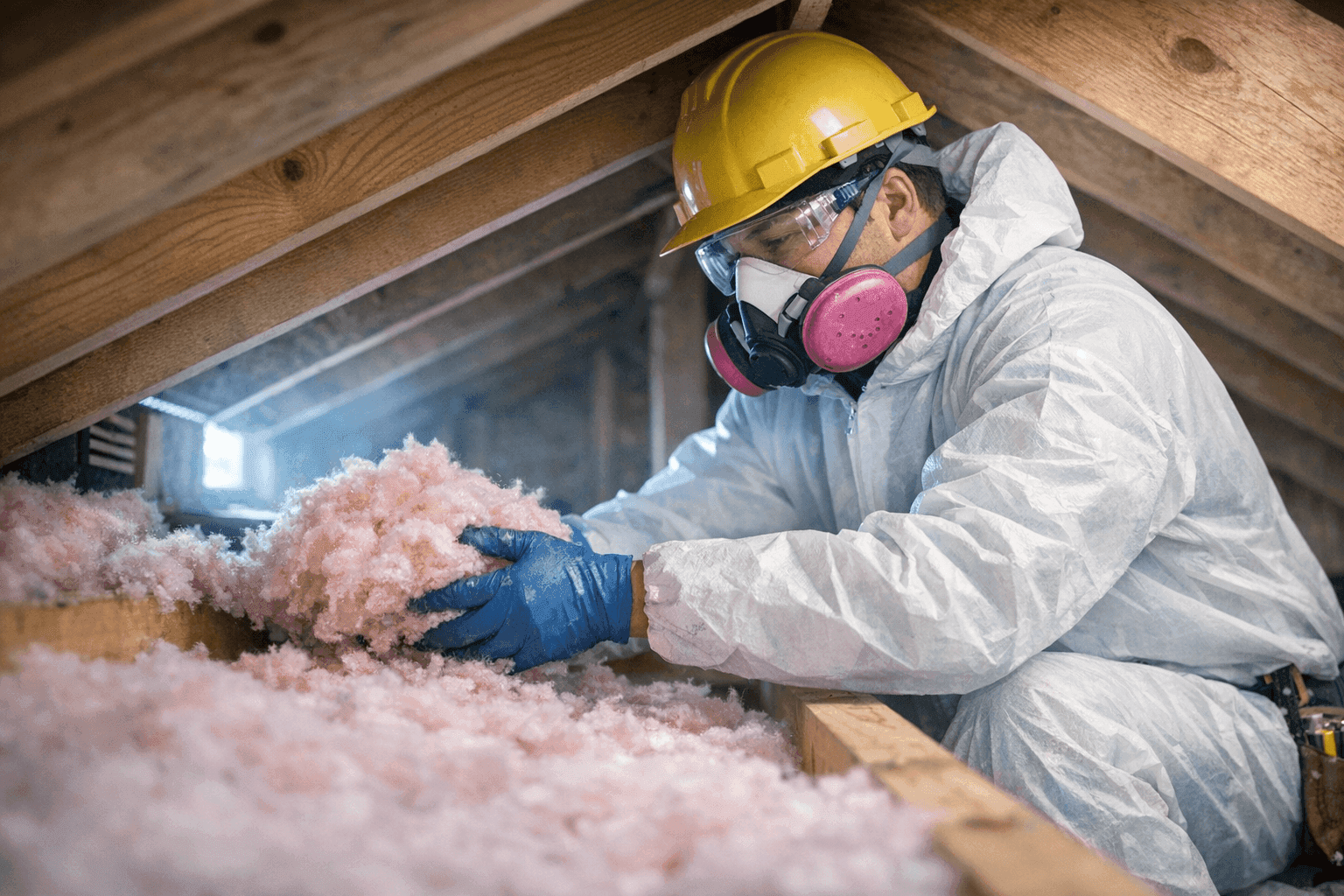
Think of your attic like a wool hat for your house. If it’s thin or full of holes, heat seeps out. Proper insulation (at least R-38 in most climates, according to Energy Star guidance) keeps warm air where it belongs: inside your living space.
Quick wins include:
- Adding or upgrading blown-in cellulose or fiberglass batts
- Sealing gaps around pipes, chimneys, and light fixtures
- Using weatherstripping on attic hatches
When insulation is paired with careful air sealing, you block the escape routes for warm air.
For more details on attic upgrades and airflow, visit our attic ventilation and insulation guide.
Balanced Roof Ventilation
A chilly attic is a happy attic in winter. Ridge vents, soffit vents, and gable vents work together to flush out built-up warmth and moisture. This keeps the roof deck cold, helping snow to melt slowly and evenly.
Best practices:
- Keep vents clear of insulation, debris, and bird nests
- Use baffles to maintain airflow from soffit vents
- Avoid blocking ridge or roof vents during insulation work
Gutter Cleaning and Downspout Maintenance
Gutters are like highways for melted snow. If they’re jammed with leaves or ice, water has nowhere to go but into your walls.
Seasonal checklist:
- Clean gutters and downspouts every late fall before the first snow
- Check for sagging, leaks, or loose fasteners
- Make sure downspouts extend several feet away from the foundation
Ice-melt cable systems can help in emergencies but don’t replace regular cleaning.
Temporary Fixes When Ice Hits
Caught off guard by a sudden thaw and dam? Some quick steps can limit the damage while you plan a permanent fix.
- Use a roof rake (from the ground) to pull snow off the first few feet of roof after each storm
- Place a calcium chloride ice-melt sock (never rock salt) across the dam to create a channel for water to escape
- Set up fans in the attic to cool the underside of the roof deck
- Place buckets or tarps under leaks to catch drips and protect belongings
Never chip at ice with sharp tools or climb a frozen roof—it's dangerous and often causes more harm than good.
Long-Term Professional Solutions
Temporary fixes are just that—temporary. The most reliable way to stop ice dams is to treat the root cause.
Our approach at Shindo Trust Roofing:
- Comprehensive attic and roof inspections
- Identification of insulation voids, air leakage points, and blocked vents
- Professional installation of insulation, vapor barriers, and balanced ventilation systems
- Gutter and downspout repairs or upgrades
- Roof flashing assessment and targeted repairs
- Recommendations for ice and water shield membranes in vulnerable areas
Every home or business is unique. What works for one roof may not work for another, especially when considering different roof types like shingle roofing, flat roofs, or metal roofing.
The Hidden Dangers: Water Damage and Mold
Water from ice dams isn’t just inconvenient—it’s insidious. It can saturate insulation, making it useless and heavy. Pooled water seeps behind walls, feeding mold and mildew that quietly spread through drywall, wood, and even HVAC systems.
Mold can cause allergic reactions, trigger asthma, and, in severe cases, require professional remediation. According to the Environmental Protection Agency, mold becomes a risk when moisture sits for more than 24-48 hours.
Safety First: Quick Winter Roofing Checklist 🛠️
- Inspect attic insulation and look for signs of wetness after storms
- Check roof and gutter lines for icicles and ice buildup after a freeze
- Make sure attic vents are free of insulation, dust, or animal nests
- Test downspouts for blockages before the first snow falls
- Monitor ceilings and walls for new stains or soft spots
When to Call for Professional Help
DIY snow removal and quick fixes can only go so far. If you notice persistent leaks, large ice formations, or unexplained dampness inside your home, it’s time for a skilled assessment.
Residents seeking reliable support can find details about our availability on the St. Joseph service page.
Common Mistakes That Make Ice Dams Worse
- Adding heat cables before fixing insulation or ventilation
- Ignoring small leaks or assuming they’ll “dry out” in spring
- Using salt or rock salt on the roof (corrodes shingles and metal)
- Blocking attic vents to “keep heat in”
- Putting off gutter cleaning until spring
A little prevention now can save months of headaches later.
Seasonal Considerations and Prep
Plan ahead. Late summer and early fall are the best times to inspect and improve your roof’s defenses.
- Schedule gutter cleaning before leaves fall and again after
- Inspect attic insulation before the first deep freeze
- Check for damaged shingles, flashing, or vent boots after major storms
- Review attic ventilation and ensure airflow is unobstructed
Roofing Materials and Ice Dam Prevention
Different roof types demand different strategies. Shingle roofing near you might need extra underlayment, while flat roofs often require special attention to drainage. Tile and metal roofs shed snow quickly, but require careful flashing and sealant maintenance.
If you’re considering roof replacement or a new roof installation, ask about ice and water shield membranes, high-performance insulation, and venting options designed for your climate.
Preventative Maintenance for Peace of Mind
Routine inspections, minor repairs, and regular cleaning pay off in the long run. Preventative maintenance can help you spot trouble before it becomes a crisis, and keep your roofing system strong, season after season.
Our preventative maintenance and inspection services are tailored to the unique challenges of each property—whether residential or commercial.
Frequently Asked Questions
Q: Can I stop ice dams without replacing my roof?
A: Yes—most cases are solved by improving insulation, sealing air leaks, and optimizing ventilation. Roof replacement is only needed if there’s extensive damage.
Q: Are ice dams covered by insurance?
A: Sometimes. Many policies cover sudden water damage, but not the underlying cause. It’s important to address insulation and ventilation to avoid future claims.
Q: How often should gutters be cleaned?
A: At least twice a year—once after leaves fall, and again in early spring.
Timeline and What to Expect
A typical insulation and ventilation upgrade can take one to three days, depending on attic size and access. Gutter cleaning is usually completed in a few hours. Larger repairs or roof replacements may require a few days to a week, with minimal disruption to your routine.
Final Thoughts: Protect Your Roof, Protect Your Home
Winter should be a time for warm fires—not frantic buckets under leaky ceilings. With smart preparation, regular maintenance, and attention to insulation, ventilation, and gutter care, you can keep ice dams and winter leaks at bay.
Call Shindo Trust Roofing now — or reach us anytime at 888-698-1884 .