How to Prevent Roof Algae, Moss, and Lichen Growth
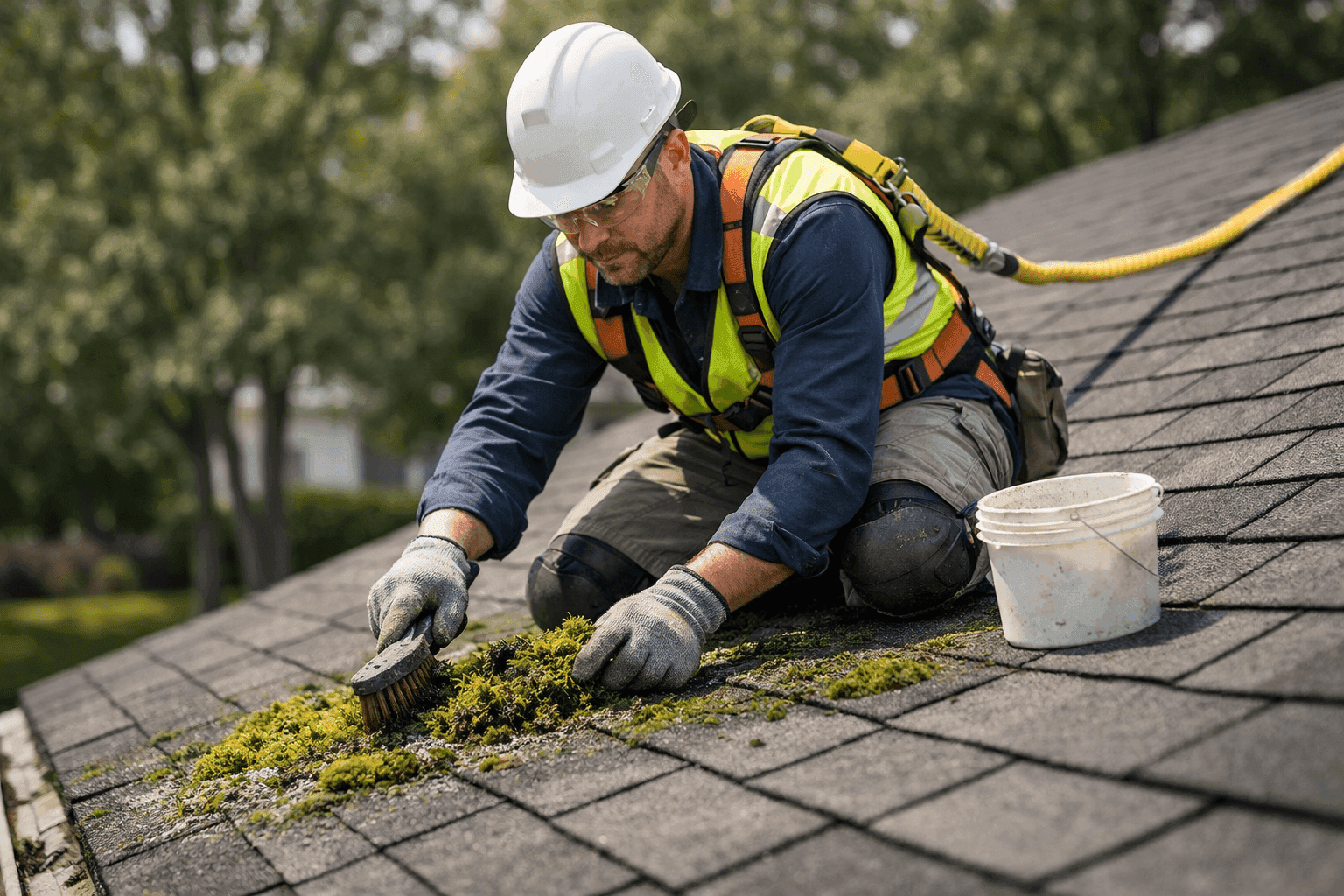
Is your roof starting to look patchy, green, or even black in spots? Those stains aren’t just an eyesore—they can spell real trouble for your shingles, gutters, and even your home’s structure. Algae, moss, and lichen thrive in the shadows, slowly eating away at what’s supposed to protect you.
At Shindo Trust Roofing, we understand that keeping a roof clean is about more than appearances. It’s about extending its life, keeping energy bills down, and avoiding expensive repairs. Let’s break down how to keep these stubborn invaders off your roof, for good.
Why Algae, Moss, and Lichen Grow on Roofs 🌱
Roofs are like the back of your hand on a hot day—always exposed. But not all roofs are equally at risk. Algae, like the notorious Gloeocapsa magma, love humid, shaded environments. Moss and lichen? They’re more like sponges, thriving where moisture lingers.
Environmental factors play a big part:
- Shade from overhanging trees keeps things damp.
- North-facing slopes rarely dry out.
- Frequent rains or morning dew can turn a roof into a moisture magnet.
- Fallen leaves and debris trap water, offering a cozy home for spores.
Even the material of your roof matters. Asphalt shingles with limestone filler are especially vulnerable—algae feed on the limestone, leaving behind black stains. Tile and wood shakes also hold moisture, while metal and certain treated materials resist growth better.
Signs Your Roof Has Algae, Moss, or Lichen
It often starts small. Maybe you notice some green fuzz along the edge. Or streaks that won’t wash away in the rain. Spotting the problem early can save you major headaches:
- Black streaks or patches (likely algae)
- Thick green clumps (moss colonies)
- Crusty, sometimes white or light-green patches (lichen)
- Shingles curling or lifting
- Gutters overflowing with green matter
If these symptoms show up, it’s time to act.
The Role of Roof Material: What Are You Up Against?
Not all roofs fight off invaders the same way. Asphalt, tile, and wood are like soft beds for algae and moss. Metal and specially treated shingles are more like a trampoline—spores don’t stick as easily.
Common roof types and their risk:
- Asphalt Shingles: High risk, especially if shaded or older.
- Wood Shakes: Very high risk; moss and lichen love the texture.
- Clay or Concrete Tile: Moderate risk; surface holds moisture.
- Metal Roofing: Lower risk; smooth, dries fast.
- Newer Algae-Resistant Shingles: Lower risk; copper or zinc granules help ward off growth.
If building or replacing, consider shingle roofing options that resist algae and moss.
Prevention Techniques: Stop Growth Before It Starts
A dry, sunny roof is a clean roof. While you can’t move your house, you can make your roof less inviting to algae and moss:
- Trim back overhanging branches. Sun dries out the roof.
- Clean out gutters regularly. Water should flow, not pool.
- Remove leaves and debris after storms.
- Ensure proper attic ventilation. Hot air escapes, preventing moisture buildup.
- Fix leaks and flashing promptly.
- Check for pooling water, especially on flat roofs.
Regular preventative maintenance is your best defense.
Maintenance Routines That Work
Think of maintenance as brushing your teeth—skip it, and trouble builds up. Create a simple routine:
- Inspect your roof every spring and fall.
- After heavy storms, do a quick visual check (from the ground or with binoculars).
- Keep trees pruned back six to ten feet from the roof.
- Clean gutters every season.
- Schedule professional inspections annually.
The National Roofing Contractors Association (NRCA) recommends annual checkups to catch trouble before it spreads.
Quick Safety Checklist Before You Clean
Safety is job one. Roof cleaning isn’t a casual weekend chore.
- Never work alone—have someone nearby.
- Use a sturdy, stable ladder.
- Wear non-slip shoes and gloves.
- Avoid working in wet or windy conditions.
- Don’t use high-pressure washers—they can damage shingles.
- Watch for power lines, skylights, and soft spots.
If the roof is steep, high, or you feel unsure, call a pro.
Cleaning Options: From Gentle to Heavy Duty
Sometimes prevention isn’t enough. Here’s how to tackle growth:
DIY Cleaning Methods
- Garden Hose & Soft Brush: Best for light algae or moss. Gently scrub, then rinse.
- Mild Bleach Solution (1:1 with water): Apply with a pump sprayer. Let sit 15–20 minutes, then rinse off.
- Store-Bought Roof Cleaners: Many are formulated to kill algae and moss without harming shingles.
Always rinse plants and landscaping before and after to protect them from runoff. And don’t overdo it—chemicals can weaken roofing.
When to Call In the Pros
If the moss is thick, or if you see shingle damage, professional cleaning may be safer and more effective. Licensed roofers use treatments proven to kill growth at the roots, with minimal risk to your roof or the environment.
Seasonal Considerations: Timing Makes a Difference 🍂
Spring and fall are prime times for growth—and for prevention. Damp weather and falling leaves create the perfect breeding ground. If you’re in a climate with heavy summer rains or snowy winters, plan cleanings before and after these seasons.
Residents in the Kingsport area know that humid summers and leafy autumns can be especially tough on roofs, so regular care is a must. For local support, you can learn more about roof care and algae prevention in Kingsport.
Long-Term Solutions: Keeping Growth Away for Good
Some fixes are “one and done”—others require a little more investment:
- Install zinc or copper strips at the roof ridge. Rainwater carries metal ions down the roof, naturally killing algae and moss.
- Upgrade to algae-resistant shingles on your next replacement.
- Improve ventilation and insulation to keep the attic dry.
- Switch to metal roofing if you want the lowest risk of regrowth.
Consult manufacturer guidelines and local building codes (like those from the International Residential Code) before making changes.
Common Mistakes to Avoid
- Power washing shingles—this can shorten your roof’s life.
- Leaving debris on the roof after storms.
- Using harsh chemicals that damage landscaping and roof material.
- Ignoring early signs—small patches can spread fast.
When It’s an Emergency: Act Fast
If moss or algae has caused leaks, visible rot, or shingle lifting, don’t wait. Water intrusion can damage insulation, ceilings, and even electrical systems. Emergency service may be needed to prevent much bigger problems.
What to Expect from a Professional Visit
When pros arrive:
- They’ll inspect the roof and gutters for hidden trouble.
- Remove thick moss or lichen by hand, then apply safe treatments.
- Recommend repairs if shingles or flashing are compromised.
- Share maintenance tips tailored to your roof and climate.
Expect minimal disruption—most cleanings and minor repairs are same-day jobs unless structural work is needed.
Costs & Time Factors: What Should You Budget?
Cleaning costs depend on roof size, slope, and how much growth is present. DIY supplies are inexpensive, but may require repeat applications. Professional cleanings cost more up front but can prevent expensive repairs. The bigger the problem, the longer it takes—don’t delay.
DIY vs. Call a Pro: Know Your Limits
If you’re comfortable on a ladder and the problem is mild, DIY cleaning can work. But if you see thick moss, lichen, or any sign of roof damage, it’s time to call in help. Professionals have the right tools and know how to avoid causing more harm than good.
FAQs: Clearing Up the Gray Areas
Does roof algae harm my shingles?
Yes—over time, it can degrade shingle material and lead to leaks.
Will treating my roof harm my garden?
If you rinse before and after cleaning, most mild solutions are safe. Always check labels and rinse well.
How often should I clean or treat my roof?
Plan on a light cleaning every 1–2 years. If your roof is shaded or prone to growth, consider annual treatments.
A Healthy Roof, Year-Round
Keeping algae, moss, and lichen away is a mix of vigilance and smart prevention. Regular inspections, quick cleanups, and the right roofing materials make all the difference. Don’t let your roof become a mossy forest—protect your investment and your peace of mind.
Call Shindo Trust Roofing now — or reach us anytime at 888-698-1884 .