How to Spot Early Signs of Roof Leaks
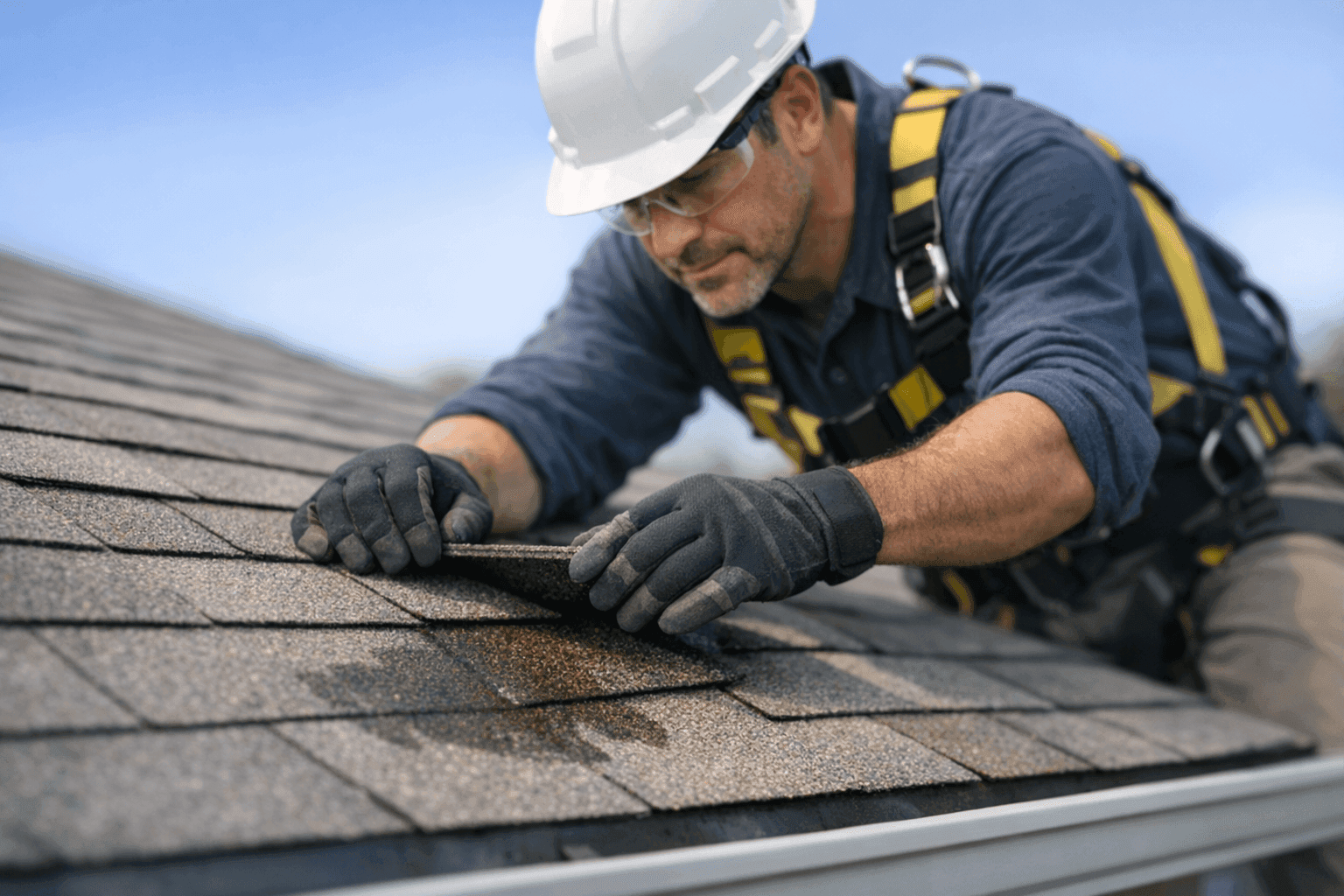
Is your roof keeping secrets? Small leaks often creep in quietly, leaving only a whisper of a clue. By the time water drips from the ceiling, the damage beneath may already be serious. At Shindo Trust Roofing, we know that catching leaks early makes all the difference—protecting both your investment and your peace of mind.
Let’s break down the early signs of roof leaks, where they hide, and what you should do next. Whether you own a single-family home or a bustling office complex, the same warning signs apply.
Common Early Leak Symptoms 🕵️♂️
The earliest signs of a roof leak are easy to miss if you’re not sure what to look for. Think of leaks like tiny cracks in a dam—at first, nothing happens, but eventually, the water finds its way in.
Watch for these telltale symptoms:
- Stains on ceilings or walls: Brown or yellowish circles, often spreading slowly.
- Musty or damp smells: A wet, earthy scent indoors, especially after rainfall.
- Peeling paint or bubbling wallpaper: Moisture lifts surfaces from drywall.
- Warped or buckled shingles: Roofing materials may curl, crack, or shift out of place.
- Visible mold or mildew: Spots appearing in corners, attics, or closets.
- Moisture in the attic: Wet insulation or dark patches on rafters.
Even if you only notice one of these, it’s worth a closer look.
Areas Most Prone to Leaks
Some parts of your roof are like the weak joints in an old garden hose—sooner or later, they give way. Here’s where leaks most often begin:
- Around chimneys and skylights: Flashing and seals can weaken over time.
- Near roof valleys: Water naturally funnels here, putting extra stress on materials.
- At roof penetrations: Vents, pipes, and HVAC units are common trouble spots.
- Along eaves and gutters: Blocked or sagging gutters can force water under shingles.
- Flat roof sections: Without a slope, water pools and seeps through seams.
Regularly check these spots, especially after storms or heavy snowfall.
Causes of Hidden Leaks
Not all leaks wave a red flag. Some hide for months—sometimes years—before revealing themselves. Why so sneaky?
- Slow drips behind walls: Water may travel along joists and beams, surfacing far from the source.
- Faulty or aging flashing: Even a tiny gap lets water sneak in during wind-driven rain.
- Clogged gutters: Overflowing water runs down exterior walls or sneaks under roof edges.
- Condensation in attics: Poor ventilation traps humidity, mimicking a roof leak.
- Storm damage: Hail or flying debris can puncture roofing materials in ways that aren’t immediately obvious.
The National Roofing Contractors Association (NRCA) recommends annual inspections to catch these hidden culprits early.
Why Leaks Go Unnoticed
Leaks are like icebergs—what you see is just the tip. Many property owners don’t realize there’s a problem until the water finds an easy escape route indoors.
Here are a few reasons leaks get missed:
- Attics go unchecked: Out of sight, out of mind.
- Assuming stains are old: Past water spots may signal an ongoing problem.
- Small leaks seem harmless: If it’s not dripping, it’s easy to ignore.
- Seasonal symptoms: Leaks may only appear during certain weather, then vanish.
That’s why a watchful eye and routine maintenance matter.
What to Do If You Suspect a Leak
If you notice any symptoms, don’t wait. Water damage moves quickly—what starts as a stain can become a full-scale repair. Here’s your plan:
- Document what you see: Take pictures of stains, damaged shingles, or any mold growth.
- Check your attic: Look for wet insulation, dark wood, or daylight shining through the roof boards.
- Clear gutters and downspouts: Remove leaves and debris to help water flow freely.
- Avoid poking or patching: Temporary fixes can make things worse if not done right.
- Contact a roofing professional: Fast diagnostics can save you thousands in long-term repairs.
For urgent cases, our leak repair services address hidden and visible leaks alike.
Quick Safety Checklist Before Inspection
Before climbing up or poking around, safety comes first. Roofs can be slippery and unpredictable, especially when wet.
- Use a sturdy ladder on level ground.
- Wear non-slip shoes.
- Avoid roof access in bad weather—wait until things dry out.
- Never walk on a visibly damaged roof.
If in doubt, leave it to trained professionals with the right gear.
DIY vs. Call a Pro
Some minor issues—like clearing a gutter—are fine for handy homeowners. But most roof leaks require trained eyes and specialized tools.
- DIY: Gutter cleaning, removing small debris, checking attic for moisture.
- Professional: Replacing shingles, repairing flashing, full roof inspections, leak tracing with moisture meters.
Remember, what looks simple on the surface often hides a bigger problem underneath.
How Roofing Pros Diagnose Leaks
At Shindo Trust Roofing, we use a mix of old-school know-how and modern tools to find the source—no guesswork. Here’s how the process usually works:
- Visual inspection: Checking shingles, flashing, vents, and skylights.
- Attic assessment: Inspecting insulation, rafters, and ventilation for hidden moisture.
- Moisture detection: Using infrared cameras and moisture meters to spot trouble below the surface.
- Water testing: Controlled testing to find elusive leaks.
Following guidelines from the International Building Code (IBC) and Occupational Safety and Health Administration (OSHA), these steps keep your property—and our team—safe.
Prevention & Maintenance: Simple Steps
A little attention now saves major headaches later. Make these habits part of your routine:
- Clean gutters twice a year—spring and fall.
- Trim overhanging branches to reduce debris and protect shingles.
- Check attic ventilation to prevent condensation.
- Schedule annual roof inspections to catch issues early.
- Replace worn-out sealants on penetrations and flashing.
Routine checks are the best defense against surprise leaks.
When to Call an Expert
If you notice ongoing stains, repeated drips, or unexplained increases in your energy bill, it’s time for a professional assessment. Quick action is key for both safety and property value.
For those needing local support, residential and business owners can always reach out for roofing services in Sayreville without delay.
Emergency Roof Leak Situations
Some leaks are more than a nuisance—they’re a full-blown emergency. These require immediate attention:
- Active dripping during storms
- Bulging ceilings or walls
- Sudden collapse or sagging
- Electrical hazards near water
If you face any of these, evacuate the affected area and call for emergency help right away.
Costs & Time Factors
Every leak is unique. Minor repairs might take just a few hours; larger issues could require days of work. Factors that influence cost and timeline include:
- Roof material: Shingle, tile, metal, or flat roofs all have different needs.
- Extent of damage: Hidden leaks can mean additional repairs to insulation, decking, or drywall.
- Accessibility: Steep or high roofs may require special equipment.
Investing in prompt repairs almost always costs less than waiting.
Seasonal Considerations
Weather plays a big part in when and how leaks appear. Heavy rain, snow melt, and ice dams in winter can stress even the best-built roofs.
- Spring: Check after ice and snow melt for new stains or damage.
- Summer: Inspect for sun-damaged shingles and dried-out sealants.
- Fall: Clear leaves and debris before winter storms.
- Winter: Watch for icicles and ice dams, which can force water under shingles.
A seasonal checklist keeps you ahead of trouble.
Common Mistakes Homeowners Make
We see it all the time—small errors that lead to big problems:
- Ignoring small stains—assuming they’ll “dry out on their own.”
- Using interior repairs only—painting over stains without fixing the source.
- Delaying inspections—waiting until a problem is obvious.
Don’t let small issues snowball into structural headaches.
FAQ: Roof Leak Edition
Q: Can I ignore a small water stain?
A: Even small stains mean water is getting where it shouldn’t. Early action saves money.
Q: How often should I have my roof checked?
A: Once a year, or after serious storms. Inspections reveal hidden problems before they spread.
Q: Do all leaks mean I need a new roof?
A: No—many leaks are isolated and repairable. Full replacement is only needed for severe, widespread damage.
Timeline & Disruption: What to Expect
Most leak repairs are straightforward. Depending on the size and location, you might experience:
- Noise: Hammering, scraping, or the sound of shingles being replaced.
- Limited access: Certain rooms or entrances may be blocked off for safety.
- Dust and debris: Especially if inside repairs are needed.
Professional crews work to minimize disruption and leave your property clean.
Materials & Equipment Pros Use
Modern leak repair uses more than just a hammer and nails. Here’s what might be in the toolkit:
- Infrared moisture sensors
- Roofing sealants and coatings
- Replacement shingles or tiles
- Specialized flashing materials
These help ensure leaks are fully addressed—above and below the surface.
The Value of Fast Leak Repair
A roof leak isn’t just an inconvenience—it’s a threat to your property’s structure, safety, and long-term value. Mold, rot, and water damage can escalate quickly. Taking swift action is the best way to protect what matters most.
Call Shindo Trust Roofing now — or reach us anytime at 888-698-1884 .