Metal Roofing: Benefits, Installation, and Maintenance
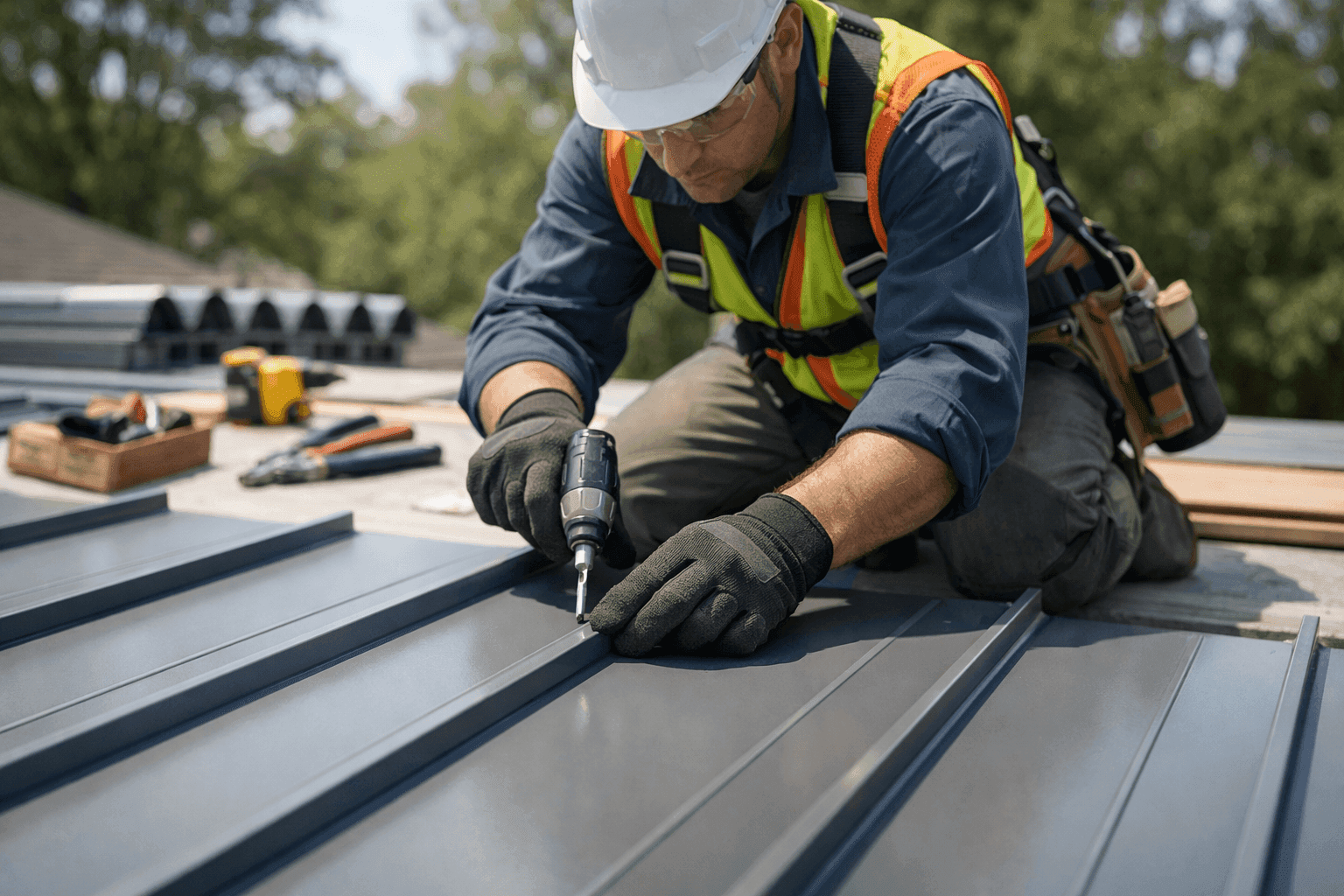
When rain pounds or snow stacks up, your roof stands guard. Choosing the right material isn’t just about curb appeal—it’s about protection, comfort, and smart savings. Metal roofing is rising in popularity for both homes and businesses, but is it the right fit for your needs?
At Shindo Trust Roofing, we’ve seen how a strong, well-installed roof can mean the difference between peace of mind and unexpected headaches. Let’s break down the essentials of metal roofing so you can make an informed choice.
Types of Metal Roofing
Not all metal roofs are created equal. Picture them like different shields held above your property—each with its own strengths.
- Standing Seam: Long, vertical panels with raised seams that snap together. Clean, modern, and watertight.
- Metal Shingles: Mimic the look of traditional shingles but with the toughness of steel or aluminum.
- Corrugated Panels: Wavy sheets, often found on rural or industrial buildings. Lightweight and budget-friendly.
- Stone-Coated Steel: Steel panels coated with stone chips for added style and quietness.
- Copper and Zinc: Premium metals that last for generations and develop a distinct patina over time.
Each type offers unique benefits. Standing seam roofs, for example, excel at channeling water and resisting leaks, making them ideal for harsh climates. Metal shingles blend in with neighborhood aesthetics while adding resilience.
Pros and Cons: How Metal Compares
Think of roofing like choosing armor for your home or business. Metal roofing is tough—sometimes outlasting two or three rounds of traditional shingle replacements.
Advantages:
- Durability: Lasts 40–70 years. That’s decades longer than most asphalt options.
- Weather Resistance: Handles hail, wind, and fire better than many alternatives.
- Low Maintenance: Less prone to cracking, shrinking, or eroding.
- Energy Savings: Reflects sunlight, reducing cooling costs in summer.
- Eco-Friendly: Often made from recycled materials. Fully recyclable at end of life.
- Lightweight: Puts less strain on your building’s structure.
Potential Drawbacks:
- Cost: Higher upfront investment compared to shingle roofing near you.
- Noise: Rain can sound louder, but quality insulation helps.
- Denting: Severe hail may leave marks, but most high-quality panels are designed to resist this.
How does metal stand up to tile or shingle? Asphalt shingles are affordable but may only last 20–30 years. Tiles are beautiful and durable, but heavy and costly. Metal roofs offer a sweet spot—long life, energy savings, and lighter weight.
Installation Process: What to Expect 🛠️
Metal roofing installation is a craft—more intricate than simply nailing down shingles. Here’s how we approach it at Shindo Trust Roofing:
- Inspection & Prep: We examine the existing roof or decking for rot, moisture, and structural soundness. The surface must be level and clean.
- Underlayment: A waterproof barrier is installed beneath the metal panels to prevent leaks.
- Panel Layout: We measure, align, and secure each panel, ensuring seams are tight and fasteners are properly placed.
- Flashing & Edges: Critical for leak prevention. Flashing is installed around chimneys, skylights, valleys, and edges.
- Ventilation: Roof vents are added or updated to prevent condensation and help regulate attic temperature. This step is vital for both residential and commercial roofing longevity.
- Final Inspection: We check every seam, edge, and flashing for code compliance and quality.
Installation isn’t a weekend DIY project. Professional skills matter—improper installation is a top cause of leaks and premature wear. We follow guidelines set by the International Building Code (IBC) and manufacturer specifications for every job.
For those considering a new metal roof, learn more about our metal roofing services and how we ensure every detail is handled right.
Maintenance Tips for a Long-Lasting Roof
Metal roofs are like the reliable car that keeps running with a little care. Here’s how to keep your investment performing for decades:
- Annual Inspections: Walk the perimeter looking for loose fasteners, damaged panels, or debris buildup.
- Clean Gutters and Downspouts: Blockages can cause water to back up and damage roof edges.
- Remove Leaves and Debris: Especially on low-slope roofs where material can accumulate.
- Check Seams and Flashing: Look for separation or rust around chimneys, skylights, and vents.
- Touch Up Scratches: Exposed metal can rust, so use paint or sealant designed for metal roofs.
- Trim Overhanging Branches: Prevents scratches and reduces debris.
Regular maintenance helps prevent small issues from snowballing into bigger, costlier repairs. The Metal Construction Association offers more guidance on care and safe maintenance practices.
Cost Considerations: Upfront vs. Long-Term Savings
Sticker shock is real—metal roofing costs more than asphalt shingles at the start. But think of it like buying a quality winter coat: you pay more up front, but it lasts far longer and saves money in repairs and replacements.
- Materials: Steel and aluminum are usually less expensive than copper or zinc.
- Labor: Installation requires skill, so labor costs can be higher than with shingle roofing.
- Energy Savings: Lower cooling bills help offset initial investment.
- Insurance: Some providers offer discounts for metal roofs due to fire and wind resistance.
When planning for a roof replacement, calculate not just the installation cost but also the life-cycle savings. Many owners find that metal’s longevity and efficiency make it the smarter long-term choice.
Quick Safety Checklist for Metal Roofs
Safety starts before the first panel goes up:
- Confirm the roof structure can handle the new system’s weight.
- Use fall protection and follow OSHA guidelines.
- Only use fasteners and sealants approved by the panel manufacturer.
- Ensure all work meets local building codes and permits.
If you’re unsure, consult the National Roofing Contractors Association (NRCA) or reach out to a licensed professional.
DIY vs. Professional Installation: Why Skill Matters
DIY projects have their place—metal roofing isn’t one of them. Installing panels, flashings, and underlayment requires exact alignment and specialized tools. One misplaced fastener can invite water inside.
Professional installers know how to:
- Handle safety on steep or high surfaces.
- Flash chimneys, skylights, and valleys to code.
- Seal seams and fasteners to outlast storms.
- Identify and correct hidden structural issues.
Choosing an experienced contractor protects your home or business and ensures manufacturer warranties stay valid.
Code Compliance and Building Safety
Building codes aren’t just red tape—they’re there to keep you safe. At Shindo Trust Roofing, we follow:
- International Building Code (IBC): Sets minimum requirements for slope, attachment, and fire resistance.
- Manufacturer Instructions: Each system has unique specs for fasteners, spacing, and underlayment.
- Local Permits: We handle paperwork and ensure inspections are passed before and after installation.
This approach reduces risk and keeps your investment secure for decades.
Environmental Benefits of Metal Roofing 🌱
Metal roofing isn’t just tough—it’s also one of the greenest options out there.
- Recycled Content: Many panels use 25–95% recycled metal.
- Reflectivity: Lowers urban heat islands and reduces cooling demand.
- Longevity: Fewer replacements mean less landfill waste.
- Recyclability: Old panels can be recycled at the end of their lifespan.
For property owners seeking eco-friendly roofing solutions, metal is hard to beat.
Signs of Trouble: When to Call for Help
Watch for these warning signs:
- Leaks or water stains inside.
- Loose or missing panels.
- Rust forming around fasteners or seams.
- Sagging or soft spots on the roof deck.
Don’t wait for small issues to grow. Early repairs are always less costly.
Timeline & Disruption: What to Expect During Installation
Metal roof installation is efficient—usually two to five days for most homes, depending on complexity and weather. Businesses may need longer for larger structures.
Expect some noise and a bit of dust, but most work stays outside. Skilled crews work quickly to minimize disruption.
When It’s an Emergency
Storms, hail, or fallen trees can damage even the strongest roof. Metal panels often fare better than shingles, but fast action is key if you notice leaks or structural issues.
Shindo Trust Roofing offers emergency repair services, and for those in the area, local teams are available—Grand Forks property owners can learn more here.
Prevention & Seasonal Considerations
Metal roofs handle snow and ice better than most. But heavy snow should still be removed to avoid ice dams or excess weight. In fall, check for leaf buildup and clean gutters. Spring is a good time for a thorough inspection.
Common Mistakes to Avoid
- Using incompatible fasteners (causes rust).
- Skipping underlayment (leads to leaks).
- Over-tightening screws (damages panels).
- Ignoring ventilation (traps moisture).
Professional attention during installation and maintenance helps dodge these pitfalls.
Frequently Asked Questions
Will my metal roof rust?
Modern panels have rust-resistant coatings. With regular care, rust is rare.
Is a metal roof noisy in the rain?
Not if installed with proper insulation and underlayment.
Can I walk on my metal roof?
With caution and correct footwear—but it’s safest to leave inspections to pros.
How does metal affect home value?
A quality metal roof can boost resale value and appeal thanks to longevity and energy efficiency.
Ready for a Roof That Lasts?
Metal roofing isn’t one-size-fits-all. But with the right materials, skilled installation, and occasional care, it can protect your home or business for decades—saving money and worry along the way.
Call Shindo Trust Roofing now — or reach us anytime at 888-698-1884 .