New Construction Roofing: What Builders Need to Know
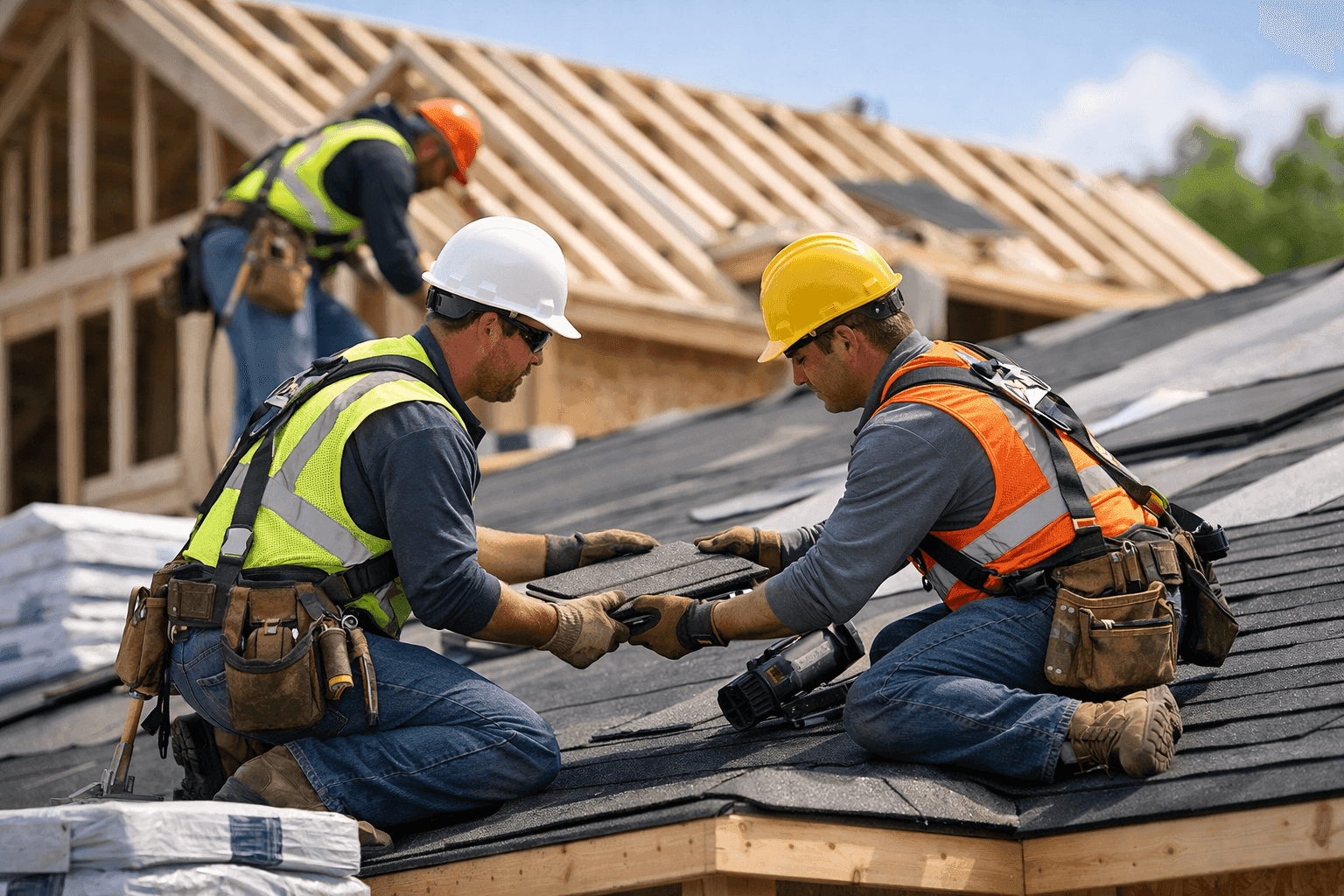
Building a new property is a bit like assembling a puzzle—the roof is the final piece that brings it all together. Missing a step or choosing the wrong material can ripple through the entire project, delaying deadlines and driving up costs.
At Shindo Trust Roofing, we’ve seen what works and what throws a wrench in the works. For builders, developers, and property owners, understanding the roofing process is the difference between smooth sailing and a leaky headache.
Choosing Materials: More Than Just a Covering 🏠
The right materials turn a shell into a sanctuary. Shingle, metal, tile, or flat—each has its own personality and performance story.
- Shingle Roofing near you is popular for its affordability and classic appeal. Asphalt shingles are versatile, but not all are created equal—look for those with high wind ratings and algae resistance.
- Metal Roofing adds a sleek, modern look and stands up to harsh weather.
- Tile Roofing delivers long-term durability with a touch of elegance, perfect for certain architectural styles.
- Flat Roofs often suit commercial projects where rooftop equipment is common.
Don’t forget about insulation, ventilation, and underlayment. These unsung heroes help control energy costs and extend the roof’s life. The right decking substrate—usually plywood or OSB—gives the roof its backbone. Always check materials for local code compliance and manufacturer recommendations.
Laying the Groundwork: New Construction Planning
Roofing doesn’t happen in a vacuum. Builders must plan for everything from framing to the final shingle.
- Blueprint Review: Double-check plans for load-bearing specs and pitch.
- Scheduling: Roofing comes after framing, sheathing, and inspections. Weather can throw curveballs—build in buffer time.
- Site Access: Make sure there’s clear access for materials and equipment.
- Safety First: OSHA guidelines require harnesses, railings, and debris management. It’s not just law—it’s lives.
Our new construction roofing page details how early coordination saves time and money.
The Installation Timeline: Pacing the Project
Every roof has its rhythm. A single-family home might take a few days; a sprawling commercial site could stretch to weeks.
Typical steps:
- Prep and delivery of materials
- Decking installation
- Underlayment and flashing
- Main roofing material (shingles, metal, tile, etc.)
- Vents, skylights, gutters, and finishing touches
Delays often come from weather, inspection hold-ups, or missing supplies. Communication between builder and roofer keeps surprises to a minimum. For a deeper dive into scheduling and handoff, see our roof installation process.
Builder-Installer Coordination: The Team Approach 👷
Think of the builder and roofing crew as a relay team—passing the baton smoothly is key.
- Pre-install walkthroughs spot framing or substrate issues early.
- Clear communication about timelines, on-site hazards, and staging areas prevents confusion.
- Progress check-ins ensure everyone’s on the same page.
We recommend regular project meetings, especially before weather changes or major milestones.
Quality Assurance: Building for the Long Haul
Quality isn’t just about curb appeal—it’s about resilience.
- Material verification: Confirm what’s delivered matches specs.
- In-progress inspections: Look for proper nailing, flashing, and weatherproofing.
- Final walkthrough: Check for missed fasteners, loose shingles, or incomplete sealing.
Documentation matters. Keep photos, inspection reports, and manufacturer info handy for warranty and resale needs.
Code Compliance: Building to the Rules
Every roof must meet local building codes, which set standards for everything from fire resistance to wind uplift.
- Permits: Always pull the right permits before work starts.
- Inspections: Arrange for city or county inspections at each stage.
- Documentation: Save all inspection sign-offs and code references.
Check with the International Code Council (ICC) and local ordinances. Staying compliant avoids headaches when it’s time to sell or insure the property.
Warranty Factors: What’s Covered and What’s Not
Roof warranties are a safety net—but only if you know how they work.
- Material warranties come from the manufacturer and depend on correct installation.
- Workmanship warranties are from the roofing contractor—keep all paperwork safe.
- Exclusions: Improper ventilation, unauthorized repairs, or storm damage often void coverage.
Always register your warranty with the manufacturer and schedule regular inspections.
Safety: The Non-Negotiable Step 🦺
Roofing is risky work. OSHA safety rules protect everyone on site.
- Fall protection: Harnesses, guardrails, and anchors are must-haves.
- Weather awareness: Wet or icy roofs are no-go zones.
- Debris management: Keep work areas clean to prevent slips and cuts.
We train our teams regularly and require every crew member to wear proper gear.
Prevention & Maintenance: Thinking Ahead
Even new roofs need attention. Regular inspections catch minor issues before they become major repairs.
- Annual roof checks: Look for loose shingles, cracked sealant, and clogged gutters.
- After-storm inspections: High winds and hail can cause invisible damage.
- Gutter cleaning: Blocked downspouts can lead to water pooling and leaks.
A little maintenance goes a long way toward protecting your investment.
Common Mistakes Builders Can Dodge
- Rushing the install before the deck is properly dried or inspected
- Skipping underlayment or flashing
- Using mismatched materials (for example, mixing metal and shingle without proper transition)
- Neglecting ventilation—leading to moisture and mold
Avoiding these pitfalls keeps projects on track and budgets in check.
Seasonal Considerations: Timing Matters
Spring and fall are prime roofing seasons. Heat waves and freezing temps slow down installation and may affect material performance. Plan your schedule around the weather when possible.
If you’re building in a region with unpredictable weather, having a local team makes a difference. For example, our crews are available for projects in Shelton and understand the seasonal swings in the area.
Signs Something’s Off: Red Flags During Build
- Sagging or uneven decking
- Gaps at roof edges or flashing
- Buckled or misaligned shingles
- Ponding water on flat roofs
Spotting these early can prevent bigger issues down the road.
When to Call in an Experienced Professional
DIY is tempting, but roofing is one place where experience pays off—in safety, speed, and long-term results.
- Certified crews know how to spot hidden problems
- Licensed professionals ensure code compliance
- Reputable installers back up their work with documentation
Look for a team with manufacturer certifications (like GAF or CertainTeed) and solid project references.
Emergency Response: Fast Help When Things Go Wrong 🚨
Storms, high winds, or accidents can damage even new roofs. Fast action limits water damage and structural issues.
If you need urgent repairs or storm restoration, our emergency team is ready to mobilize and secure the site until a full repair can be scheduled.
Project Management in Action: Shindo Trust Roofing Case Files
On a recent multi-family build, our team coordinated with framers, HVAC, and window installers to keep the schedule tight. Daily check-ins and progress photos kept everyone informed. When a last-minute change required a switch to Class 4 impact-resistant shingles, our supplier relationships ensured materials arrived on time—no delays.
Every project is different, but the principles stay the same: communicate, document, and adapt.
Certifications and Credentials: Why They Matter
Ask about the credentials of anyone working on your roof.
- Manufacturer certifications mean up-to-date training
- Insurance and licensing protect both builder and property owner
- Ongoing education keeps crews sharp on new technologies and code changes
Shindo Trust Roofing invests in continuous training so you can expect up-to-date techniques on every project.
FAQ: Quick Answers for Builders
Q: How long does a typical new construction roofing project take?
A: Most residential roofs take 2-5 days, but larger or more complex projects can take longer.
Q: What’s the biggest risk if the roof isn’t installed properly?
A: Water intrusion, mold, and structural damage are common issues—plus failed inspections and costly rework.
Q: Do I need a separate permit for the roof?
A: Usually yes—check with your local building department for specifics.
Closing Thoughts
A new roof is more than just another construction task—it’s a shield, an investment, and a statement of quality. When you’re planning your next build, remember: the right team, the right materials, and the right process make all the difference.
Call Shindo Trust Roofing now — or reach us anytime at 888-698-1884 .