How to Prepare Your Roof for Hurricane or Severe Storm Season
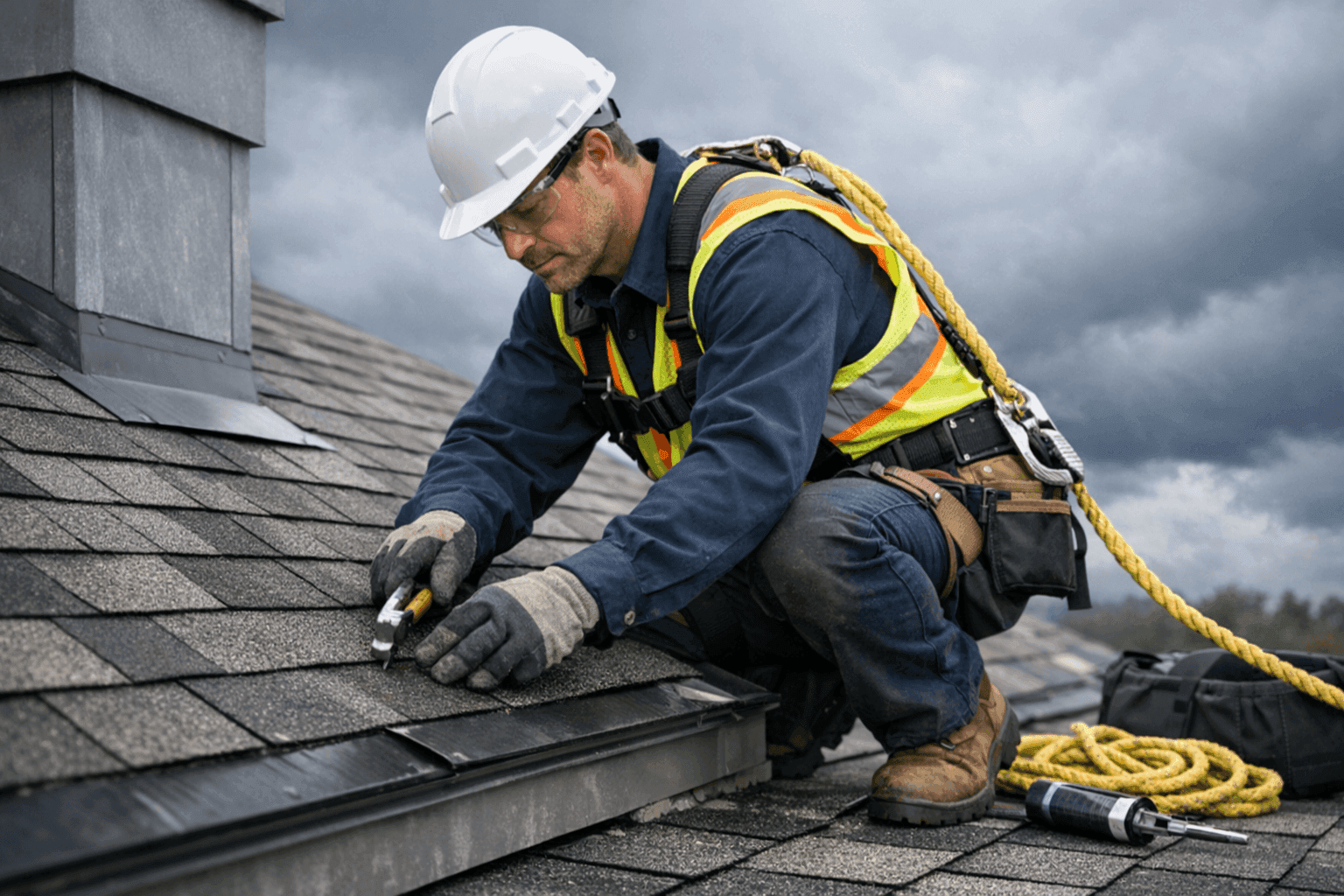
Every year, storms roll in, leaving a trail of chaos for unprepared property owners. Hurricanes and severe storms don’t knock first—they blow right in, rattling shingles and nerves alike. At Shindo Trust Roofing, we know even the sturdiest roofs need help to weather the next big blow.
A well-prepared roof isn’t just about staying dry. It’s about safeguarding your family, your business, and your peace of mind. Let’s walk through a storm prep routine you can actually follow—step by step.
Storm Prep Checklist 📝
Think of your roof as a knight's shield. It takes the first hit when the storm charges in. Here’s how you can make sure it stands strong:
- Secure loose shingles: Wind loves to find the weak spots. Replace or nail down any loose, curled, or missing shingles before the season starts.
- Check your flashing: Flashing is the thin metal barrier at joints and seams. If it’s cracked or peeling, water will find its way inside. Inspect and repair as needed.
- Clear gutters and downspouts: Water needs a way out, not a pool party on your roof. Scoop out leaves, twigs, and debris to keep gutters flowing.
- Trim overhanging branches: A branch scraping the roof is more than annoying—it can be dangerous during high winds.
- Inspect attic insulation and ventilation: Proper airflow prevents moisture buildup, which weakens your roof over time.
- Stock emergency supplies: Have tarps, plastic sheeting, and a few sandbags on hand. They’re your quick patch if the storm punches through.
Following these steps doesn’t just help your roof—it protects everything underneath it.
Common Vulnerabilities
Roofs aren’t invincible. Some areas are especially prone to damage:
- Aging shingles: Over time, shingles lose their grip and flexibility. Old roofs are easy targets for wind and rain.
- Improperly installed flashing: Even a small gap lets water seep in, leading to rot and stains on your ceiling.
- Clogged gutters: Overflowing water can back up under the shingles, causing leaks and rot.
- Flat roofs: Without enough pitch, water pools and seeps in. Regular inspection is crucial.
- Chimney and skylight seals: Weakened seals around chimneys or skylights can become highways for rainwater.
Addressing these vulnerabilities before a storm hits often means the difference between a quick fix and a major repair.
Emergency Response Plan 🚨
When the sky darkens and the winds pick up, you need to act fast. Here’s a plan to help you stay calm and in control:
- Know your safe spots: Identify where to shelter inside your property—preferably away from windows and under sturdy ceilings.
- Have emergency contacts ready: Keep your insurance information and storm damage restoration provider’s number handy.
- Turn off utilities if needed: If flooding starts, shut off the electricity to avoid further danger.
- Temporary roof patching: Use tarps or heavy-duty plastic sheeting to cover exposed areas until professional help arrives.
- Take photos: Document any damage with clear photos for your records and insurance.
Preparation isn’t just about supplies—it’s about knowing exactly what to do when things turn rough.
Insurance Tips
Storms can lead to more paperwork than you’d ever want. Protect yourself with these tips:
- Review your policy: Know what’s covered before the storm, not after.
- Document everything: Take pre-storm pictures of your roof, gutters, and property. This makes claims easier later.
- Save receipts: Keep records of any maintenance, repairs, or upgrades you’ve done. Insurance companies like proof.
- Report promptly: If you have damage, contact your insurer right away—delays can slow down claims.
- Ask about deductibles: Make sure you understand your out-of-pocket cost before agreeing to repairs.
The Insurance Information Institute and FEMA both recommend annual policy reviews and easy access to records, especially in storm-prone areas.
Signs Your Roof Needs Attention
It’s easy to miss trouble brewing above your head until water is dripping onto your floor. Watch for these signals:
- Water stains on ceilings or walls
- Missing, cracked, or curled shingles
- Rusty or damaged flashing
- Granule buildup in gutters (shingle granules look like coarse sand)
- Sagging roofline
- Musty smells in the attic
Spotting these early means you’re ahead of the storm.
DIY vs. Professional Help
Some fixes are simple—others need a practiced hand. Replacing a shingle or cleaning gutters can be a good DIY project. But when it comes to major repairs, storm damage, or anything requiring you to get up high, it’s safer to call in roofing professionals.
Trying to tackle big jobs yourself can lead to injury or missed problems. Shindo Trust Roofing uses safety harnesses, proper tools, and years of experience to spot and fix issues before they become disasters.
What the Pros Do On Arrival
When our team arrives after a storm, we move fast:
- Complete a top-to-bottom inspection, including attic and roofline
- Secure any exposed areas with tarps or emergency coverings
- Check for water entry points, even those hidden from sight
- Create a detailed report for your records and insurance claim
- Begin safe, code-compliant repairs to restore your roof’s integrity
We follow guidelines from the National Roofing Contractors Association (NRCA) and local building codes to ensure your repairs stand up to the next storm.
Prevention & Maintenance
Storm prep isn’t a one-time job. Make roof inspections part of your seasonal routine:
- Schedule yearly inspections: Catch small issues before they grow.
- Clear gutters every spring and fall: Less debris means less risk.
- Check attic insulation: Keeps moisture out and energy bills down.
- Replace worn sealants: Around chimneys, skylights, and flashing.
A little effort now means fewer headaches later.
Timeline & Disruption: What to Expect
Storm prep and repairs can range from a quick afternoon to a multi-day project, depending on damage and roof size. Minor fixes (like shingle replacement or gutter cleaning) usually take a few hours. More serious issues, such as full roof repair, may require several visits—especially if weather is still a factor.
During emergencies, safety comes first. We’ll secure your property and return for permanent repairs once conditions are safe.
Materials and Equipment
Don’t underestimate the power of good materials. We use:
- Impact-resistant shingles: Designed to withstand flying debris
- Waterproof underlayment: Adds a backup layer beneath your shingles
- Quality flashing and fasteners: Prevents leaks at every seam
- Heavy-duty tarps and sealants: For temporary storm patches
Using the right products can make the difference between a quick recovery and a full roof replacement.
Seasonal Considerations 🌦️
Storm season looks different in every region. In hurricane-prone zones, late summer and early fall bring the highest risk. Other areas may see spring tornadoes or winter ice storms.
No matter your location, regular inspection and preparation are key. If you’re facing unique challenges—like moss, snow, or constant rain—adjust your checklist accordingly. And for those managing properties in unpredictable climates, you can always find more local information and support at this Portland resource.
Common Mistakes to Avoid
It’s easy to get caught off guard. Here are missteps to watch for:
- Ignoring early warning signs: Small leaks turn into big problems.
- Neglecting gutters: Clogged gutters are a leading cause of water damage.
- Delaying repairs: Waiting until after the storm often means longer, costlier fixes.
- Skipping professional inspections: DIY can only go so far—trained eyes spot hidden issues.
Don’t wait for the wind to tell you what needs fixing.
When It’s an Emergency
If you notice water pouring in, a tree on your roof, or significant structural damage, treat it as an emergency. Evacuate if the structure seems unsafe, and contact emergency services if needed.
Once everyone is safe, call for professional help. The right team will arrive quickly, secure your roof, and help you start the recovery process.
FAQ: Storm Prep and Roof Safety
What’s the best time to prep my roof?
Early spring or late summer—before storms are forecasted.
How often should I check my roof?
Twice a year, or after any major weather event.
Are metal or shingle roofs better in storms?
Both can be strong if installed and maintained properly. Impact-resistant shingles and securely fastened metal panels both stand up well.
Should I handle repairs myself?
Small fixes are fine, but major repairs should always be left to pros for safety and warranty reasons.
Final Thoughts: Professional Prep Minimizes Storm Damage
Prepping your roof for hurricane or severe storm season isn’t just a chore—it’s an investment in your property’s future. The right maintenance routine, paired with disaster-readiness protocols and accurate insurance documentation, means you’re ready for whatever the sky throws your way.
If you need help with storm prep, repairs, or just want to make sure your home or business is ready, call the team that’s seen—and fixed—it all.
Call Shindo Trust Roofing now — or reach us anytime at 888-698-1884 .