How to Prepare Your Roof for Winter Weather
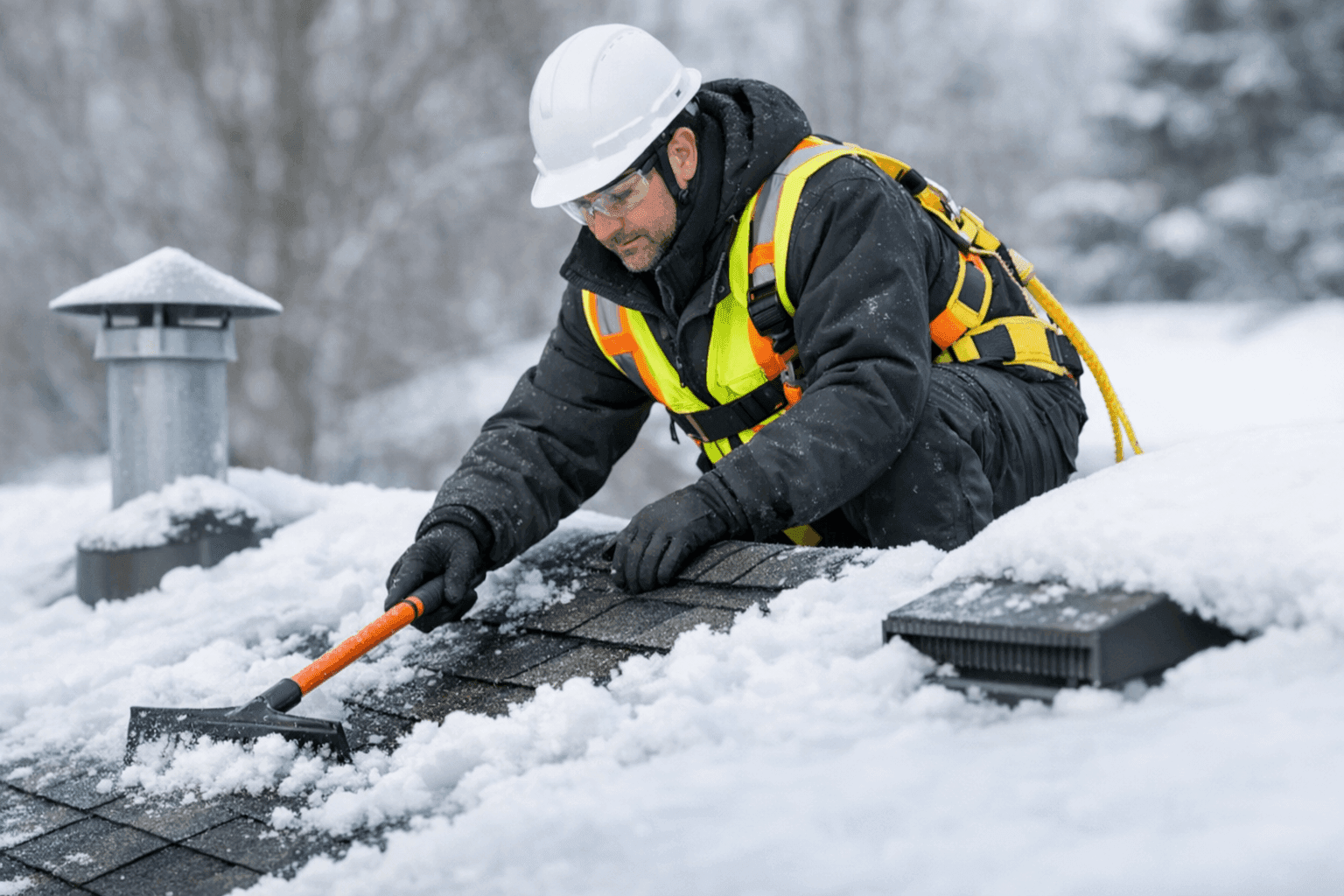
Winter is coming. For homeowners and property managers, that means more than unpacking coats and boots—it means bracing your roof for what’s ahead. At Shindo Trust Roofing, we know winter can be ruthless, especially for older roofs or those overdue for maintenance.
Think of your roof as your building’s helmet. If it’s cracked or clogged, the whole home is at risk when snow and ice start to pile on. A few hours of preparation now can save you a season of headaches.
Pre-Winter Inspection: The First Line of Defense 🕵️
Before the first frost, walk the perimeter of your property. Look up. Do you spot missing shingles, sagging gutters, or dark streaks? These small warning signs can be like a loose shoelace—easy to ignore, but they trip you up when you least expect it.
A professional roof inspection catches issues you might miss from the ground. Trained eyes spot vulnerable flashing, early leaks, and soft spots under shingles. According to the National Roofing Contractors Association, twice-yearly inspections—especially pre-winter—are key to preventing surprise repairs.
Gutter Cleaning: Keeping Water Flowing
Picture your gutters as the drainpipes of your roof. If autumn leaves and pine needles clog the way, melting snow has nowhere to go. Water pools, freezes, and forms heavy ice dams—nature’s way of prying up shingles and forcing leaks inside.
- Clear out all debris—by hand or with a hose.
- Check for sagging or disconnected sections.
- Test downspouts to ensure water moves away from your foundation.
If you’re unsure, ask a professional. Gutter accidents are a leading cause of ladder injuries.
Addressing Weak Spots: Shingles, Flashing, and More
Even a single missing shingle is like a hole in your winter jacket. Water sneaks in, freezes, and expands—widening cracks with every cold snap.
- Scan for cracked, curling, or loose shingles.
- Inspect metal flashing around chimneys, vents, and skylights.
- Look for rust, gaps, or bent edges.
Don’t ignore those little leaks. Over time, water stains can become structural damage. If you find problems, schedule prompt repairs. The cost of fixing one shingle is far less than replacing an entire section after a harsh storm.
Insulation & Ventilation: The Unsung Heroes
A warm attic might seem comforting, but it’s actually a recipe for ice dams. When heat escapes from your home, it melts snow on the roof. The water trickles down and refreezes at the eaves, building up heavy ridges of ice.
Proper insulation and ventilation keep attic temperatures stable. That means:
- Checking for gaps in attic insulation.
- Ensuring soffit and ridge vents are clear.
- Confirming airflow meets local building codes (see International Residential Code guidelines).
Balanced airflow reduces condensation, mold, and those dreaded energy bills.
Removing Roof Debris: Lighten the Load
Branches, moss, and leftover autumn leaves don’t just look messy—they trap moisture and add weight. When snow layers on top, it’s like adding a wet blanket to your roof.
- Use a roof rake to gently remove debris.
- Trim overhanging branches that could snap under snow load.
- Never use sharp tools that might damage shingles.
Regular cleanup lets your roof “breathe” and sheds snow more evenly.
The Risk of Snow Load and Ice Dams
Snow is heavy. Just a single inch can weigh up to a pound per square foot. Multiply that by a whole rooftop, and you’re talking about literal tons pressing down on your home.
Older roofs, or those with weakened decking, are especially vulnerable. Ice dams add insult to injury—blocking drainage and forcing water beneath your shingles.
According to the Federal Emergency Management Agency (FEMA), roofs should be cleared before snow depth approaches design limits. If you hear creaks, see sagging, or notice doors sticking, call for help immediately.
When It’s Time for Professional Repairs
DIY repairs can be tempting, but winter roofing is not for the faint of heart. Frozen surfaces are slippery, and small mistakes grow bigger in cold weather. If you’re not comfortable with heights or spotting roof issues, it’s best to call in trained help.
Professional crews bring safety gear, specialized tools, and the expertise to fix problems for good. They’ll repair leaks, secure flashing, and reinforce weak points—often in a single visit.
If you’re unsure whether your roof is ready, schedule a checkup before snow arrives.
Preventative Maintenance: Your Best Investment
Think of preventative maintenance as yearly armor for your roof. Instead of waiting for trouble, you’re stopping problems before they start.
- Schedule regular inspections.
- Keep gutters and downspouts clear.
- Repair minor damage right away.
It’s not just about protecting your home; it’s about peace of mind all winter long. Learn more about our preventative maintenance services.
Emergency Prep: Have a Plan Before You Need It 🚨
Storms don’t wait for a convenient time. Make sure you have your roofer’s contact info handy—on your fridge, in your phone, or shared with your property manager.
- Know your shutoff valves for water and utilities.
- Keep tarps, buckets, and flashlights in an easy-to-grab spot.
- After a storm, check for leaks or damage as soon as it’s safe.
Quick response can be the difference between a minor patch and a major repair.
DIY vs. Pro: Knowing Your Limits
While anyone can clear gutters or trim a few branches, climbing onto a roof in winter is risky business. If your roof is steep, slippery, or more than one story, leave inspection and repairs to those with proper training.
The Occupational Safety and Health Administration (OSHA) recommends fall protection for anyone working above six feet. Your safety is always worth more than a shortcut.
Seasonal Considerations: What to Do As Weather Shifts
Winter isn’t one long freeze—it’s a rollercoaster of thaws and storms. Check your attic after every major snowfall, and watch for:
- Damp insulation
- Water stains
- Dripping sounds
If you’re local and need help preparing for the change in seasons, Shindo Trust Roofing is also available in Concord and the surrounding area.
Costs & Timeline: What to Expect
Pre-winter maintenance is often quick and affordable, especially compared to emergency repairs. Most inspections and minor fixes take just a few hours. Larger projects, like replacing insulation or repairing structural damage, may require a few days—plan ahead so winter doesn’t catch you off guard.
Common Mistakes to Avoid ❌
- Forgetting to check gutters for blockages.
- Ignoring small leaks or missing shingles.
- Overlooking attic ventilation.
- Waiting until after the first storm to schedule repairs.
A little attention now prevents big problems later.
Signs of Trouble: When to Act Fast
Be alert for:
- Ceiling stains or peeling paint
- Ice buildup at roof edges
- Unusual creaks or popping sounds from above
- Water around chimneys or skylights
These are red flags—don’t wait to see if they get worse.
Preparing for Service: What Homeowners Can Do
Before your roofer arrives:
- Clear snow or debris from around your home’s foundation.
- Move vehicles or obstacles that block ladder access.
- Make a list of any leaks or trouble spots you’ve noticed.
This helps crews work quickly and safely, so your home is protected before the next storm rolls in.
FAQ: Winter Roofing Concerns
Q: How often should I have my roof inspected?
A: At least twice a year—once in the fall, and again in spring.
Q: What’s the best way to prevent ice dams?
A: Keep your attic insulated and ventilated, and ensure gutters are clear.
Q: When should I call for emergency service?
A: If you see active leaks, sagging ceilings, or hear loud creaking from above, call right away.
A little preparation now means a safer, warmer winter for your home or business. If you have questions about your roof, gutter system, or insulation, don't wait for the next snowstorm.
Call Shindo Trust Roofing now — or reach us anytime at 888-698-1884 .