How to Prevent Mold and Mildew in Your Attic and Roof
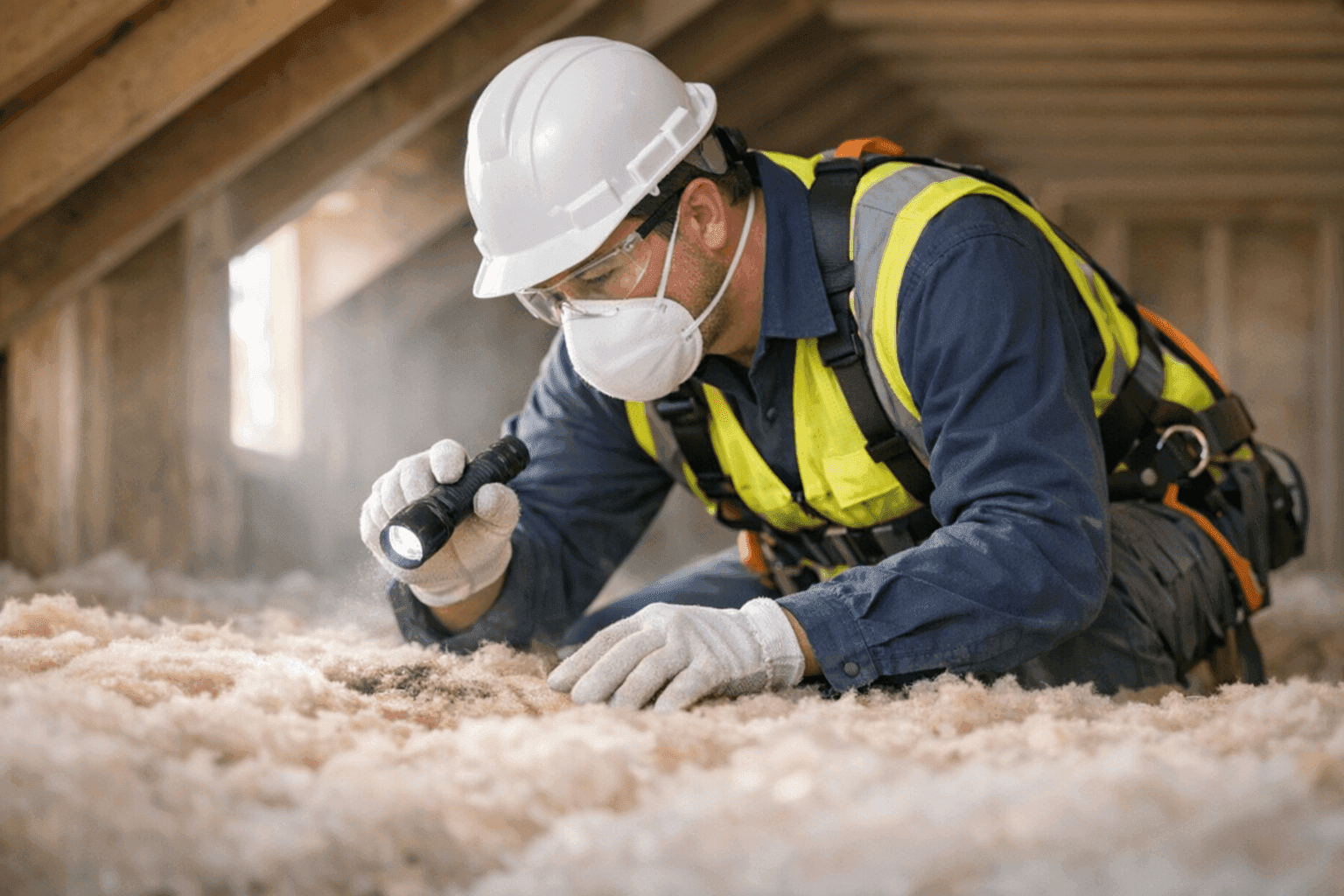
Mold in the attic isn’t just ugly. It’s a silent invader, creeping along rafters, insulation, and beams—damaging your home and health in ways that can go unnoticed until things get serious.
At Shindo Trust Roofing, we’ve seen what happens when moisture and poor airflow are left unchecked. Whether you’re a homeowner or manage a commercial property, understanding attic mold is the first step to keeping your building safe, sound, and healthy.
Causes of Mold and Mildew in Attics and Roofs 🕵️
Mold and mildew grow where there’s moisture, darkness, and something organic to feed on—wood, drywall, or insulation. Picture a forgotten sponge in a damp corner. That’s what your attic can become if the right conditions exist.
Primary causes include:
- Water intrusion: Roof leaks, ice dams, and poor flashing let water sneak in.
- Poor ventilation: Without steady airflow, warm, moist air gets trapped.
- Inadequate insulation: Temperature swings cause condensation. Warm air rises, hits a cold roof deck, and turns into droplets.
- Blocked vents: Stacks of boxes, insulation batts, or even bird nests clog soffits and ridge vents.
- Gutter issues: Overflowing or broken gutters dump water near your foundation, which can wick upward.
The result? Mold spores thrive, multiply, and start breaking down the very materials that keep your structure strong.
The Hidden Dangers: Health Risks and Property Damage
Mold isn’t just a cosmetic problem. It’s a threat, both to your building and your body.
Health risks:
- Allergies and asthma can get worse.
- Sneezing, coughing, or itchy eyes become the norm.
- Some molds (like black mold) produce toxins that can affect breathing and immune systems.
Property damage:
- Mold eats away at wood framing.
- Insulation loses effectiveness, meaning higher energy bills.
- Roof decking can rot, risking expensive repairs or even collapse.
Ignoring attic mold is like letting termites chew through your beams—eventually, it catches up with you.
Spotting the Signs: How to Tell If You Have a Problem
Sometimes, mold is bold—black splotches, fuzzy growths, or musty odors hit you as soon as you peek in the attic. Other times, it’s a whisper:
- Paint bubbling on ceilings.
- Dark streaks on rafters.
- Insulation that’s damp or clumped.
- Rusty nails or fasteners.
- Persistent allergies that flare up at home.
If you notice any of these, don’t shrug it off. The earlier you act, the easier the fix.
Prevention Strategies: Keeping Mold and Mildew at Bay
Think of prevention like a good umbrella—it keeps the storm outside where it belongs.
1. Upgrade Your Ventilation and Insulation
Proper airflow and insulation are the backbone of a dry, healthy attic. By letting your house “breathe,” you push out stale, humid air and replace it with fresh, dry air.
- Install or clear soffit and ridge vents. Blocked vents are like clogged arteries; nothing gets through.
- Balance intake and exhaust. Too much of one, too little of the other, and moisture can’t escape.
- Check insulation depth. Gaps or thin spots create cold spots and condensation.
- Seal attic bypasses. Gaps around pipes, lights, or chimneys leak warm, moist air upward.
For more detail on how a tailored approach can help, see ventilation and insulation options.
2. Keep Water Out
- Inspect your roof regularly. Look for missing shingles, cracked flashing, or popped nails.
- Maintain gutters and downspouts. Water should move away from your foundation, not into it.
- Address leaks immediately. Even a tiny drip can breed a big problem over time.
3. Control Indoor Humidity
- Use bathroom and kitchen exhaust fans.
- Run a dehumidifier in damp climates.
- Keep attic access doors tightly sealed.
Quick Safety Checklist Before You Begin
Before poking around the attic, think safety first:
- Wear gloves, goggles, and an N95 mask.
- Bring a flashlight and stay on the joists.
- Avoid disturbing insulation unless you have to.
- Watch for nails, sharp objects, and pests.
If the attic feels unsafe, or mold covers a large area, stay out and consider professional help.
DIY vs. Call a Pro: Knowing Your Limits
Some small mold spots—no bigger than a bath towel—can sometimes be cleaned with detergent and water, followed by thorough drying. But if you see any of the following, it’s time to step back:
- Mold covers more than 10 square feet.
- You spot black mold (Stachybotrys) or heavy growth.
- The source of moisture isn’t obvious.
- You have allergies or respiratory issues.
Professional remediation follows EPA and OSHA guidelines, protecting both your property and your health.
Professional Mold Removal: What Shindo Trust Roofing Does Differently 🛡️
When you call us, here’s what to expect:
- Thorough inspection: We check both inside and outside—roof, attic, insulation, and all accessible areas.
- Safe containment: We seal off affected spaces to keep spores from spreading.
- Certified removal: Using HEPA vacuums and approved disinfectants, we remove mold safely.
- Root cause repair: Whether it’s a leak, poor venting, or insulation issue, we fix what caused the mold in the first place.
- Clear communication: We walk you through what’s needed, how long it’ll take, and what to expect next.
Ongoing Maintenance: Keeping Mold Gone for Good
Prevention is never “set it and forget it.” Mold is opportunistic—it’ll come back if conditions allow.
- Check your attic every season. Look for leaks, condensation, or new stains.
- Schedule regular roof and attic inspections.
- Keep gutters clear and flowing.
- Trim trees and foliage away from your roof.
For those who like a regular checkup, our preventative maintenance services are designed to catch small issues before they become big headaches.
Emergency Situations: When Mold Is More Than a Nuisance
Sometimes, mold isn’t just an eyesore—it’s an emergency. Floods, roof failures, or major leaks can spark rapid mold growth in hours, not days.
If you’re in a situation where water is pouring in or mold is spreading fast, don’t wait. Seek help immediately. Those in need of swift, local response—especially after a storm or unexpected leak—can find support in our Cheyenne availability for timely service.
Seasonal Considerations: Mold Risks Year-Round
- Spring: Melting snow and spring rains can cause leaks and ice dam damage.
- Summer: Humid air and thunderstorms raise attic moisture.
- Fall: Leaves clog gutters; prepare for the wet season.
- Winter: Ice dams and trapped warm air can trigger condensation.
Each season brings its own risks. A little seasonal attention can save thousands in repairs.
Common Mistakes: What Not to Do
- Painting over mold: It will come back. Mold needs to be removed, not just hidden.
- Ignoring minor leaks: Today’s drip can be tomorrow’s disaster.
- Blocking vents with insulation: Airflow is crucial—never cover intake or exhaust vents.
- DIYing large infestations: Professional remediation is the safest path for widespread mold.
Frequently Asked Questions
How quickly does mold grow in an attic?
Mold can start growing within 24–48 hours if moisture is present.
Is attic mold always visible?
Not always. Sometimes it hides in insulation or on the underside of roof decking. Trust your nose—musty smells are a big clue.
Can attic mold make you sick?
Yes, especially for those with allergies, asthma, or weakened immune systems.
Will a new roof solve mold problems?
Not if the underlying ventilation or insulation issues aren’t fixed. Address the root cause for a real solution.
Timeline & Disruption: What to Expect
Most mold removal projects take a day or two, though severe cases can stretch longer—especially if repairs to the roof or insulation are needed. We’ll always explain the process, protect your space, and minimize disruption.
Materials and Equipment: What Pros Bring
Professional teams use:
- HEPA-filtered vacuums.
- Industrial dehumidifiers.
- Safe, EPA-registered cleaning agents.
- Personal protective equipment (PPE).
These tools and methods meet government recommendations from sources like the EPA and CDC for safe, lasting remediation.
Final Thoughts: Protecting Your Investment
Your attic shouldn’t be a damp, musty afterthought. With the right steps—good airflow, solid insulation, and regular attention—you can keep mold and mildew far from your home or business.
Call Shindo Trust Roofing now — or reach us anytime at 888-698-1884 .