How to Prevent and Repair Roof Blisters and Bubbles
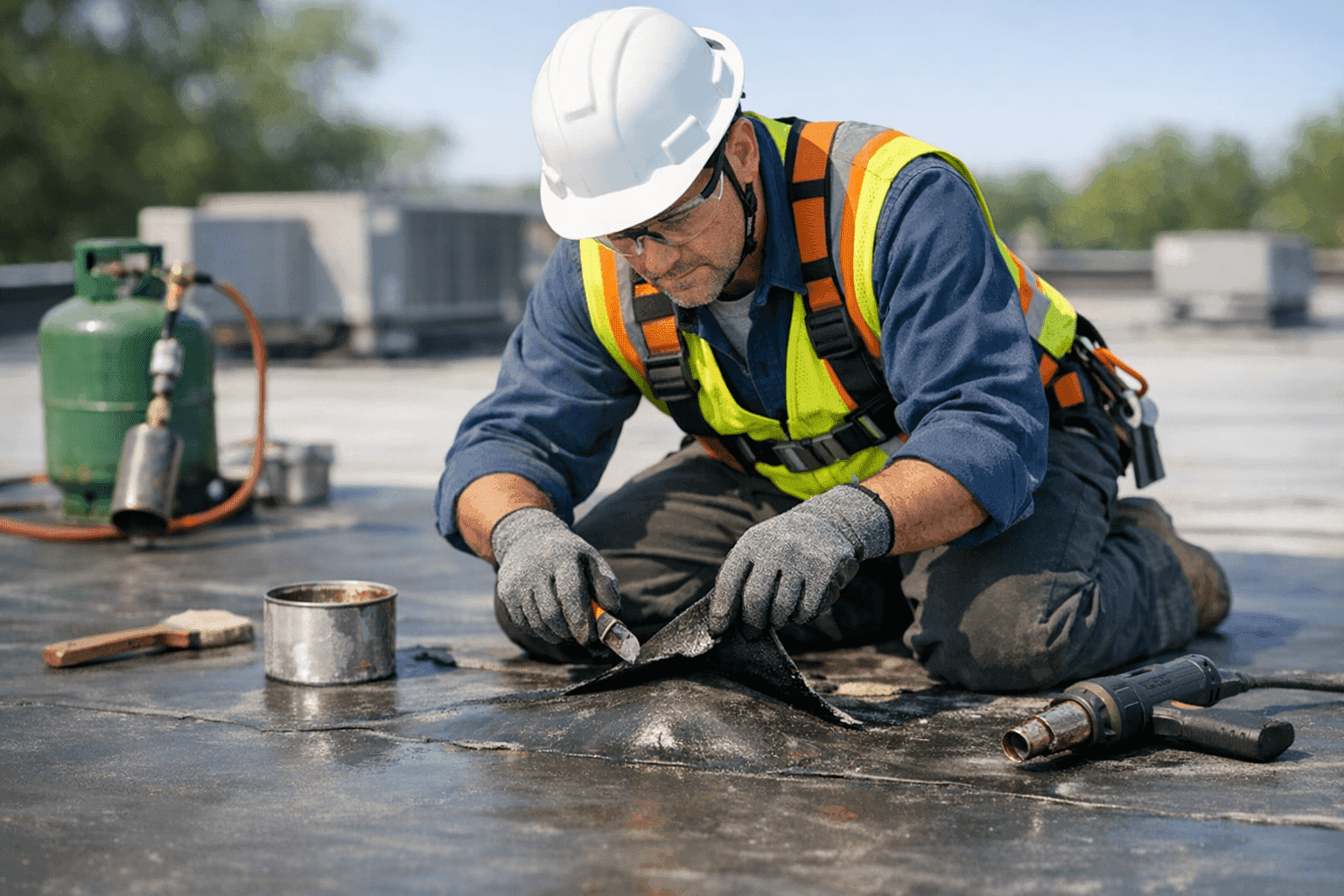
The last thing anyone wants to see on their roof is a strange bubble or blister. It’s like finding a pothole on a road you drive every day—easy to ignore, but sooner or later, it’s going to cause bigger problems.
At Shindo Trust Roofing, we’ve seen how a small roof blister can balloon into a major headache for both homes and businesses. Don’t wait for leaks or water stains to show up inside. Understanding what’s happening up there—and how to fix it—can save you money and stress.
What Are Roof Blisters and Bubbles?
Imagine your roof as a protective skin. When that skin develops pockets of trapped air or moisture, it swells up—just like a blister on your hand after a long day of work. These raised areas, called blisters or bubbles, can form on shingle, flat, or membrane roofs. They look like soft, spongy humps under the surface.
Blisters are most common on flat and low-slope roofs, especially those with multiple layers or membranes. But even sloped shingle roofs aren’t immune. If you notice unusual bumps, don’t assume it’s just a cosmetic flaw. Left unchecked, these bubbles can pop, crack, and invite water right into your building.
Causes and Warning Signs
So, what causes these rooftop “blisters”? Several culprits are usually at work:
- Moisture Trapped During Installation: If it’s humid or the roof wasn’t fully dry, moisture can get sealed inside.
- Poor Adhesion: When roofing layers don’t stick together properly—often due to rushed or careless installation—air pockets form.
- Aging Materials: As roofs age, the bond between layers weakens. Heat and sun make things worse.
- Improper Ventilation: Without enough airflow, condensation builds up under the surface.
Warning Signs to Watch For:
- Raised, soft spots or bubbles on the roof surface
- Cracking or splitting around the blister
- Discoloration, especially on flat roofs
- Water stains or leaks inside the building (a late-stage symptom)
If you spot any of these, don’t shrug them off. Roof blisters rarely heal on their own.
Quick Safety Checklist 🛑
Before you climb up to inspect or poke at a blister, stop. Roofs are risky—especially if you’re not used to walking on them. Here’s a basic safety rundown:
- Never inspect a roof alone.
- Wait for dry weather; wet surfaces are slippery.
- Use a sturdy ladder and non-slip shoes.
- Stay away from the edges.
- If you feel uncertain, call a professional.
Remember: a wrong step can lead to serious injury. Sometimes, it’s safer (and smarter) to stay on the ground.
Why DIY Fixes Can Make Things Worse
It’s tempting to grab a knife and “pop” a roof blister, like you might with a bubble in wallpaper. But this quick fix is a trap. Here’s why:
- You Might Miss Hidden Damage: Blisters often mean there’s moisture or rot below the surface.
- Improper Sealing: Without the right materials and technique, your patch job can let more water in.
- Voiding Warranties: Many manufacturers and insurance policies require repairs be done by certified pros.
- Safety Hazards: DIY attempts can cause slips, falls, or further roof damage.
The cost of a call to a pro is almost always less than the cost of fixing a botched DIY repair.
What Pros Do On Arrival
When our team arrives to inspect a blistered roof, we follow a step-by-step process:
- Thorough Inspection: We look for all signs of blistering, bubbling, or related issues—inside and out.
- Moisture Detection: Using moisture meters, we check for hidden water beneath the surface.
- Assessing Roof Layers: We determine how deep the blister goes and whether it has compromised other materials.
- Repair Plan: Based on code guidelines (like those from the National Roofing Contractors Association), we recommend the safest, most durable fix.
This isn’t guesswork. Each step is designed to keep your roof strong for years to come.
Prevention Tips: Stop Blisters Before They Start
Prevention is all about attention to detail. Here’s how to keep blisters at bay:
- Choose the Right Materials: Not all roofing products are created equal. Quality matters.
- Proper Installation: Hire certified installers who follow manufacturer specs.
- Control Moisture: Make sure your attic or roof deck is dry before new materials go down.
- Ventilation Matters: Good airflow under the roof helps prevent condensation.
- Routine Maintenance: Schedule regular inspections—especially after storms or extreme heat.
Think of this as brushing your teeth for your roof. A little effort now prevents bigger problems later.
Flat Roofs: Special Concerns and Best Practices
Flat and low-slope roofs are especially prone to blisters and bubbles. Their design means water doesn’t drain as quickly, and the roofing membranes are often layered. Here’s what makes a difference:
- Use of Proper Sealants and Coatings: These provide an extra layer of protection against water intrusion.
- Regular Cleaning: Remove debris that can trap moisture.
- Professional Installation: Every seam, joint, and flashing must be sealed tight.
If you’re considering maintenance or repair, our flat roof services are tailored for these unique challenges.
Common Mistakes That Lead to Blisters
Sometimes, blisters are the result of small missteps:
- Rushing installation on a damp day
- Skipping underlayment or using the wrong adhesive
- Ignoring minor leaks until they become major
- Overlooking attic ventilation
Avoiding these mistakes starts with choosing experienced installers and following up with periodic inspections.
When It’s an Emergency 🚨
If a roof blister bursts during a storm—or you notice sudden leaks—don’t wait. Water intrusion can quickly damage insulation, ceilings, and even structural supports. In these cases, immediate action is critical.
For those searching for reliable roofing services in Boston, our team is ready to respond quickly and minimize further damage.
Timeline and Disruption: What to Expect
Most blister repairs can be completed in a day, depending on the extent of the damage. For larger commercial roofs, it might take a bit longer. Our crew works efficiently to minimize disruption to your home or business.
During repairs, you may hear some noise and notice temporary access restrictions. We always keep you updated, so there are no surprises.
Materials and Equipment Used
Professional blister repair uses specialized tools and materials:
- Moisture meters
- Infrared scanners (for large commercial jobs)
- High-quality patching membranes
- Commercial-grade sealants and coatings
- Safety harnesses and fall protection gear
We follow OSHA safety standards and manufacturer guidelines to ensure every repair is both safe and long-lasting.
Costs and Time Factors
The cost of repairing roof blisters depends on:
- The size and number of blisters
- Type of roofing material
- Whether structural repairs are needed
Small repairs are usually affordable, while widespread damage might require partial replacement. We provide clear estimates before any work begins.
Seasonal Considerations: Timing Your Repairs
Spring and fall are ideal times for roof inspections and repairs. Extreme summer heat or winter cold can make materials less flexible, affecting repair quality. After major storms, always check for new blisters or bubbles.
Preventative Maintenance: Your Best Defense
Regular checkups are key. Schedule annual inspections, keep gutters clear, and address minor issues before they escalate. Preventative maintenance is often the difference between a quick patch and a major overhaul.
Frequently Asked Questions
Q: Are blisters always a sign of roof failure?
Not always. Small, stable blisters may not cause immediate leaks, but they should be monitored.
Q: Can I just patch over a blister?
Simply patching over a blister without addressing the underlying cause is like putting a bandage on a leaky pipe. It won’t last.
Q: How often should I inspect my roof?
At least once a year—and after severe storms.
When to Call an Expert
If you’re unsure about the safety or stability of your roof—or if you spot new blisters after a storm—it’s time to contact a professional. Our roof repair services are designed to handle everything from minor bubbles to major restoration, with safety and durability at the forefront.
Preparing for Service
Before your appointment, clear outdoor areas for easy access and secure pets. Make a note of any leaks or water stains inside—this helps us trace the problem faster.
Final Thoughts: Protect What Matters Most
Roof blisters and bubbles may seem minor, but they can be the start of bigger trouble. Don’t let a small bump become a big burden. Whether you need help with shingle roofing, flat roof maintenance, or advanced sealants and coatings, Shindo Trust Roofing is here to help.
Call Shindo Trust Roofing now — or reach us anytime at 888-698-1884 .