How to Prevent Roof Damage from Falling Branches and Debris
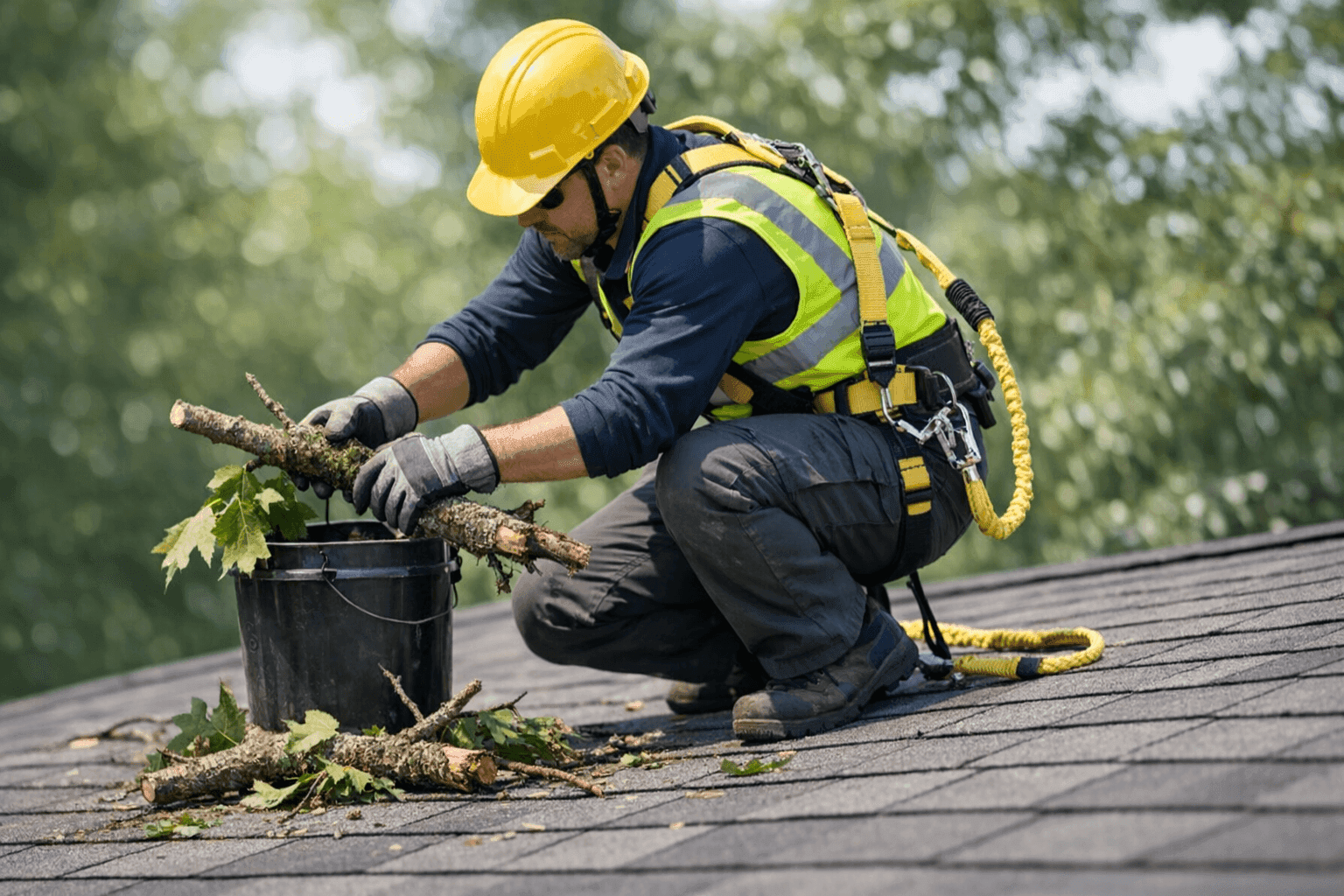
Maintaining a safe, sturdy roof isn't just about what happens overhead. It's about what falls, too—branches, leaves, and debris can turn a peaceful home or business into a leaky nightmare in no time. At Shindo Trust Roofing, we know the stress a sudden thud on your roof can cause. It’s a problem that can spiral quickly if it’s not handled the right way.
Let’s look at how you can keep your roof safe from falling branches and debris, using simple, proven steps that make sense for every homeowner and property manager.
Tree Risks to Roofs: What’s Hanging Overhead Matters 🌳
Overhanging branches aren’t just a pretty frame for your home. They can be ticking time bombs. Here’s why:
- Direct Impact: Heavy limbs crashing down during a storm can break shingles, dent metal roofing, or even punch holes straight through.
- Constant Abrasion: Even smaller twigs rubbing against your shingles day after day can wear down the protective granules, shortening your roof’s lifespan.
- Moisture Traps: Branches and leaves provide shade, but they also trap moisture. This leads to moss, algae, and rot.
- Animal Access: Squirrels and raccoons use branches as highways, bringing sharp claws and mischief onto your rooftop.
Ignoring these risks is like letting termites into your walls—damage creeps up while you’re not looking.
Safe Trimming and Removal: Protecting More Than Limbs
Trimming trees isn’t just about a neat yard. It’s one of the best shields you can give your roof. But safety comes first. Here’s how to do it right:
- Plan Your Cuts: Focus on branches within six feet of your roof. Anything closer is a hazard.
- Use the Right Tools: Pruning saws, pole trimmers, and sturdy ladders are your friends. Never use a chainsaw on a ladder.
- Work With a Buddy: Don’t go it alone. One person trims, one spots.
- Check for Power Lines: If a branch is near a wire, it’s time to call in a professional.
If you’re ever in doubt, step back. A fallen branch is bad, but a fall from a ladder is far worse. The International Society of Arboriculture recommends hiring certified arborists for high or heavy branches.
Debris Removal Strategies: Keep It Clean, Keep It Safe 🧹
Leaves, pine needles, and seed pods might seem harmless, but they pile up fast. Here’s how to stay ahead:
- Roof Raking: Use a roof rake to pull off leaves and loose debris after storms or windy days.
- Gutter Guards: Install guards to keep gutters clear and water flowing.
- Seasonal Sweeps: Make it a habit—every spring and fall, clear your roof and gutters.
- Watch Your Downspouts: Clogged downspouts can back up rainwater, causing rot and leaks.
A clean roof is a healthy roof. Letting debris accumulate is like stacking up kindling for the next big storm.
Maintenance Schedule: When and How Often Should You Check?
Nature doesn’t keep a calendar, but you should. Here’s a simple schedule:
- Monthly: Quick visual checks for fallen branches and blocked gutters.
- Seasonally: Full roof and gutter cleaning, especially after fall leaf drop and spring storms.
- After Storms: Walk your property. Look for new damage, leaning trees, or snapped limbs.
- Annually: Schedule a preventative maintenance inspection to catch hidden issues before they grow.
Think of this as a regular health checkup for your home or business—catching small problems before they turn serious.
Signs of Trouble: What to Watch For
Not sure if your roof is in danger? Look for these red flags:
- Shingle Granules in Gutters: A gritty buildup means your shingles are wearing down.
- Sagging or Bent Gutters: Weight from debris or water is pulling them loose.
- Visible Moss or Algae: A sign of trapped moisture and possible decay.
- Cracked or Missing Shingles: Impact from branches can knock them loose.
- Water Stains Inside: Discoloration on ceilings or walls means water’s getting through.
Spotting these early is key. Don’t wait for a leak to show up—it’s usually a sign the damage is already done.
Professional Help: When Branches Are Too Big to Handle Alone 🚧
Sometimes, the job is too much for a ladder and a rake. Here’s when you need extra hands:
- High Branches: Anything near power lines or over two stories up.
- Heavy Limbs: Large branches can fall unpredictably when cut.
- Storm Damage: After a major event, call in licensed professionals for safe removal and inspection.
Trained crews follow strict safety protocols, including harnesses, helmets, and insurance coverage. This isn’t just about getting the job done—it’s about protecting lives and property.
If you’re located nearby, professional support is always within reach. For those needing prompt assistance in the Flint Hills region, you can find local roofing services in Manhattan ready to respond.
Cleaning Gutters: The Unsung Hero of Roof Protection
Clogged gutters are a silent threat. They turn a healthy roof into a soggy mess. Here’s why cleaning matters:
- Prevents Water Backup: Water should flow away from your roof, not pool at the edges.
- Reduces Ice Dams: Clean gutters mean less chance of winter ice buildup.
- Stops Rot and Mold: Standing water leads to wood rot and mold growth.
For reliable help, check out our gutter cleaning services, which are designed to keep your drainage systems clear and functional year-round.
Prevention & Maintenance: The Long Game
Roof care is a marathon, not a sprint. Here’s how to build lasting protection:
- Trim Regularly: Don’t let branches creep back—set reminders for annual trimming.
- Clear Debris Promptly: After each major weather event, sweep off leaves and twigs.
- Inspect Flashings and Seals: Branch impact can loosen flashing around chimneys, skylights, and vents.
- Check Attic Ventilation: Proper airflow dries out any moisture that sneaks in.
The National Roofing Contractors Association suggests combining visual checks with professional annual inspections. This two-pronged approach catches what eyes alone might miss.
DIY or Pro? Knowing Your Limits
Some tasks are safe for DIY, but others demand a professional touch:
- Go DIY For: Low, reachable branches, light debris, minor gutter cleaning.
- Call a Pro For: High or heavy branches, complex gutter repairs, structural roof issues, and anything involving safety risks.
If you’re unsure, err on the side of caution. One slip can turn a simple chore into a costly accident.
Emergency Situations: When Every Minute Counts 🚨
Storms don’t wait for business hours. Here’s how to act fast when disaster strikes:
- Stay Safe: Never climb onto a roof in high winds, heavy rain, or after dark.
- Assess from the Ground: Use binoculars to scan for major damage.
- Call for Emergency Services: If a branch punctures your roof or exposes your attic, get help immediately.
- Document Everything: Photos help with insurance claims and repairs.
Time is of the essence in emergencies. The longer water or debris sits, the worse the damage becomes.
Costs and Time Factors: What to Expect
Preventative maintenance is always less expensive than emergency repairs. Here’s a rough breakdown:
- DIY Trimming and Cleaning: Mostly your time and basic tools.
- Professional Tree Service: Costs vary by branch size and location—expect $100–$500+ for major work.
- Roof Inspection and Repair: Minor fixes are affordable, but structural repairs can add up fast.
Routine care keeps your roof in the “low-cost” lane, avoiding the spike of sudden, urgent repairs.
Materials & Equipment: What Works Best
Having the right gear makes all the difference:
- Roof Rake: With a telescoping handle for safe debris removal.
- Ladder Stabilizer: Prevents slips and roof damage.
- Heavy-Duty Gloves: Protect hands from sharp branches and rough shingles.
- Gutter Scoop: Makes cleaning fast and efficient.
- Safety Harness: For any work beyond a single story.
Always follow manufacturer instructions and wear protective gear—no shortcuts.
Common Mistakes Homeowners Make
A few missteps can undo good intentions:
- Over-Trimming: Cutting too much can stress your trees and leave them vulnerable.
- Ignoring Small Debris: Even little piles can lead to big moisture problems.
- Neglecting Gutters: Out of sight, out of mind—until they overflow.
- Delayed Repairs: Putting off fixes turns small cracks into big leaks.
Avoid these pitfalls by sticking to your maintenance schedule and acting fast when you spot issues.
Timeline and Disruption: What to Expect During Service
Professional roof and tree work is usually quick:
- Trimming and Removal: A few hours for most jobs, with minimal disruption.
- Debris Cleanup: Same day, especially with a prepared crew.
- Inspections: Often under an hour unless major problems are found.
Good pros clean up after themselves, leaving your property safer (and tidier) than they found it.
Seasonal Considerations: Adjusting for Weather
Each season brings new challenges:
- Spring: Watch for broken branches from winter storms. Clear early blooms and seeds.
- Summer: Growth picks up—trim back new limbs before storms hit.
- Fall: Leaf drop clogs gutters fast; step up your cleaning schedule.
- Winter: Watch for ice dams and heavy snow buildup.
Regular attention, tailored to the season, is your best defense.
FAQs: Quick Answers for Busy Owners
Q: How close should tree branches be to my roof?
A: Ideally, keep them at least six feet away. More is better.
Q: How often should I clean my gutters?
A: Twice a year, or more if you have lots of trees nearby.
Q: What if I see moss or algae?
A: It’s a sign of trapped moisture—clear debris and schedule a professional inspection.
Q: Is professional inspection worth it?
A: Absolutely—trained eyes catch what homeowners miss, preventing costly repairs.
Building Safety and Confidence Through Routine
Protecting your roof from falling branches and debris isn’t just about today—it’s about investing in your property’s future. With the right routine, proper tools, and professional help when needed, you can sleep soundly no matter what the weather brings.
For a healthy roof that stands the test of time, routine preventative maintenance and smart, timely gutter care make all the difference.
Call Shindo Trust Roofing now — or reach us anytime at 888-698-1884 .