How to Prevent Roof Damage from Pests and Animals
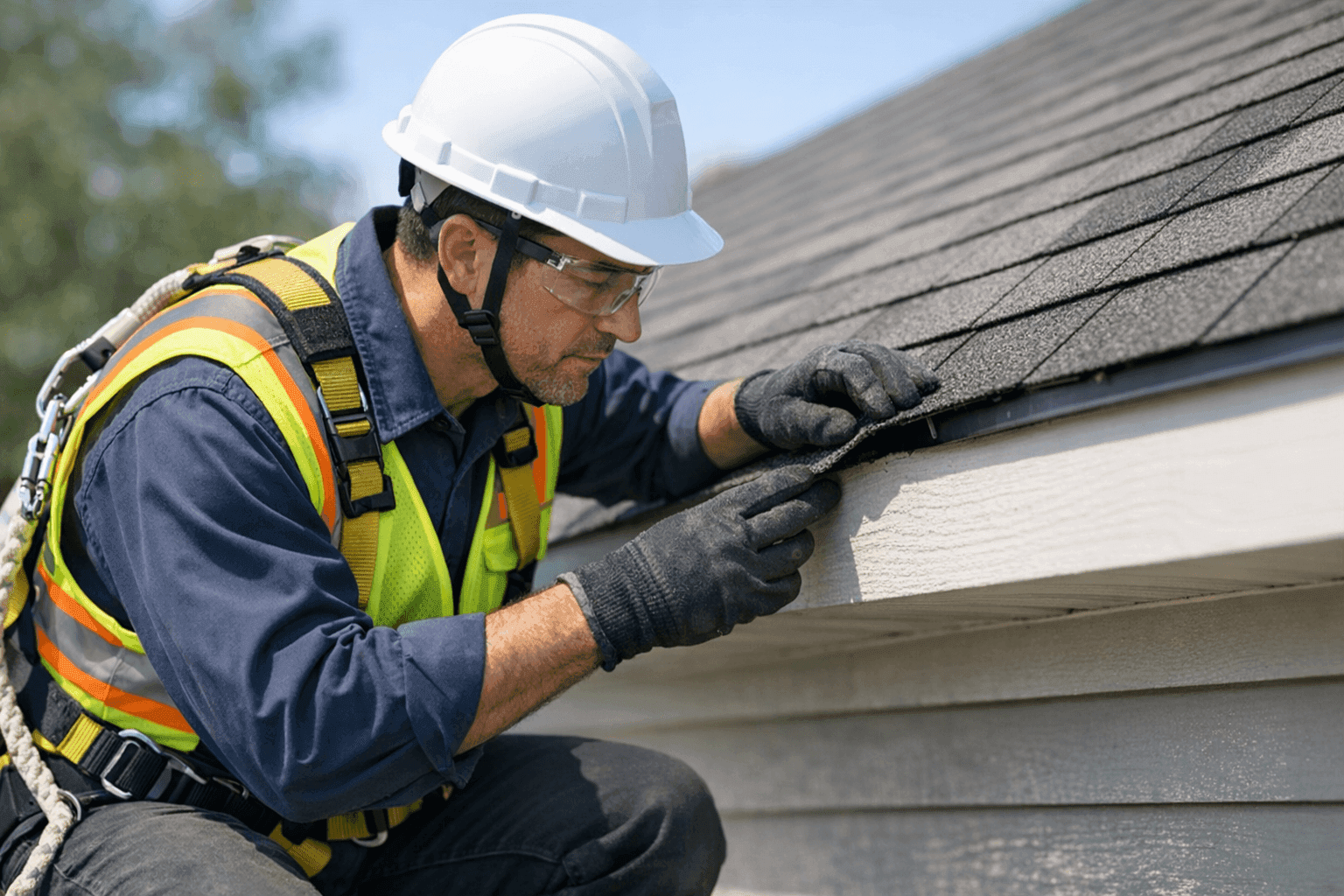
Roofs are like the shields of our homes and businesses. But even the best shield wears down if pests and animals sneak inside. Squirrels, raccoons, and birds? They don’t just visit; they move in, gnaw, and leave behind more damage than you’d guess.
At Shindo Trust Roofing, we’ve seen what happens when creatures claim your roof. From torn shingles to chewed decking, the aftermath can sneak up fast. Here’s how to spot trouble early, keep critters out, and protect your investment.
Common Roof Pests: Who’s Inviting Themselves Over? 🐦
When you think “roofing,” you probably don’t picture a raccoon rummaging through the attic or a squirrel stashing acorns under your shingles. Yet, these guests are more common than you’d think.
Frequent Invaders:
- Squirrels: Love to chew through fascia, soffits, and even shingles.
- Raccoons: Strong enough to tear up roofing materials—especially weak or aging spots.
- Birds: Nest under loose tiles or in gutters, clogging drainage and creating mess.
- Rodents (mice, rats): Squeeze through tiny gaps, gnawing insulation and wiring.
- Bats: Enter through vents or loose flashing, leaving guano and health risks.
Each animal brings its own brand of trouble. Some gnaw. Some nest. Others simply use your home as a shortcut or a warm winter hideout.
Signs of Infestation: When Critters Are More Than Just Passing By
Not sure if you’re playing host? Look for these telltale signs that pests have turned your roof into their new home:
- Scratching or scampering sounds in the attic, especially at dawn or dusk.
- Droppings or nesting material near attic vents, eaves, or in gutters.
- Damaged shingles or torn roof edges—tiny holes or large gaps.
- Chewed insulation, wires, or wood—often hidden in the attic or under decking.
- Unusual odors wafting from the attic or upper floors.
- Stained ceilings—from animal urine or water leaks caused by displaced roofing.
Small clues mean big problems down the road if left unchecked.
Entry Points: Where Pests Sneak In
Animals are clever. They don’t need an open door—just a crack in the defenses.
Common Access Points:
- Roof vents and exhaust pipes (especially without screens)
- Loose or missing shingles
- Gaps in soffits or fascia boards
- Chimney flashing or caps in poor repair
- Unsealed attic windows or skylights
- Damaged gutter systems or clogged downspouts
A squirrel can wriggle through a gap the size of a golf ball. Mice? Even smaller. That’s why even the tiniest opening is an invitation.
Why Pests Love Roofs: Shelter, Safety, and Snacks
Why do critters target your roof? For them, it’s a five-star hotel: shelter from storms, warmth in winter, and easy access to food. Once inside, they can cause:
- Structural damage: Chewing weakens joists, decking, and insulation.
- Water leaks: Dislodged shingles or clogged gutters lead to costly damage.
- Fire hazards: Gnawed wires are a real risk.
- Health threats: Droppings can trigger allergies or spread disease.
The longer pests stay, the more expensive the fix.
Quick Safety Checklist: Spot Trouble Early
Before you climb a ladder, safety first—always follow OSHA fall protection guidelines and use proper equipment.
- Walk your home’s perimeter. Use binoculars if needed.
- Look for visible holes, chewed edges, or missing shingles.
- Check that all vents and chimneys have secure screens or caps.
- Inspect gutters for nests or debris.
- Listen for noises at dawn and dusk—pests are most active then.
If you find anything out of place, don’t wait.
DIY or Call a Pro? What You Can Safely Handle
Some pest prevention is weekend project material. Some jobs, though, are better left to the pros—especially if you’re dealing with heights, electrical hazards, or active wildlife.
DIY:
- Trimming tree branches away from your roof (at least 6–8 feet)
- Clearing gutters and downspouts of leaves, nests, or debris
- Installing mesh screens over vents and attic openings (using heavy-duty hardware cloth)
- Sealing small gaps with weatherproof caulk or foam
Call Shindo Trust Roofing if:
- You spot major damage to shingles, decking, or flashing
- Animals have already moved in (especially raccoons or bats)
- You’re uncomfortable working at height or lack safety gear
When in doubt, don’t risk a fall or a bite.
Prevention Tips: Keeping Critters Out for Good 🦝
The best defense is a roof that’s buttoned up tight. Here are field-tested strategies we use every day:
- Trim trees and shrubs: Keep branches away from the roof so animals can’t leap across.
- Install chimney caps and vent screens: Heavy-duty metal screens block entry while letting your home breathe.
- Repair flashing and seal gaps: Even small repairs can stop pests cold. Pay special attention to roof valleys and around skylights.
- Clean out gutters: Remove debris and check for signs of nesting. Clogged gutters back up water—and attract unwanted guests.
- Upgrade attic insulation: Dense, pest-resistant insulation makes nesting less appealing.
- Inspect after storms: High winds and hail can open new entry points.
Routine preventative maintenance is the simplest way to catch small issues before they become big repairs.
Professional Solutions: What Roofers Do on Arrival
When you call in Shindo Trust Roofing, here’s what you can expect:
- Thorough inspection: We check every inch—from shingles to decking, vents to flashing.
- Identify and close entry points: Using quality materials, not quick patches.
- Remove nests and droppings: Following EPA health and safety protocols.
- Repair damage: Replace torn shingles, reinforce decking, and restore insulation.
- Install exclusion barriers: Screens, caps, and durable sealants to keep pests out for good.
We’ve helped clients recover from raccoon damage that tore through their attic, patched up squirrel-chewed corners, and restored homes after birds clogged every gutter. Each repair is tailored—because no two roofs, or infestations, are alike.
Costs and Time Factors: What to Expect
Every situation is unique, but here’s a rough idea:
- Simple exclusion (screens, caps): Quick, often same-day fix. Minimal disruption.
- Damage repair (shingles, decking, insulation): May take a day or two, depending on extent.
- Major infestations: If pests have lived in your attic for a while, cleanup and restoration can take several days.
Preventative work is always more affordable than replacing an entire roof or repairing extensive water damage.
When It’s an Emergency: Act Fast, Limit Damage
Sometimes, a pest problem becomes urgent—like when a raccoon breaks through during a storm or squirrels chew through wiring near your child’s room. Don’t wait.
- Block access to the area if possible.
- Avoid handling wild animals yourself.
- Call professionals with wildlife removal expertise.
In urgent cases, local crews are ready to help homeowners and businesses, such as those needing service in Gulfport, with emergency repairs and exclusion.
Seasonal Considerations: Timing Your Prevention
Pest pressure changes with the seasons:
- Spring: Birds and squirrels look for nesting spots—inspect after winter storms.
- Summer: Bats and insects are active—screen attics and vents.
- Fall: Rodents seek warmth—seal gaps before the first cold snap.
- Winter: Animals dig deeper—check for weak spots after snow or ice.
Schedule inspections and maintenance before peak seasons to stay ahead of trouble.
Common Mistakes: What Not to Do
- Ignoring small noises: They almost always signal something is living overhead.
- Skipping gutter cleaning: Clogs mean water, and water means rot.
- Using flimsy screens or plastic mesh: Animals chew right through.
- Covering holes without removing animals first: This traps them inside, where they’ll do even more damage.
A little vigilance goes a long way.
Materials and Equipment: What Works Best
- Galvanized hardware cloth: Tough enough to resist gnawing.
- Metal chimney caps and vent covers: Rust-resistant and secure.
- Weatherproof sealants: Flexible in heat and cold.
- OSHA-approved safety gear: Harnesses, ladders, gloves.
Choose quality materials—shortcuts just invite trouble back.
FAQ: Answers to Common Questions
Q: Can I use spray foam to seal holes?
A: For small gaps, yes, but pair it with wire mesh to deter chewers.
Q: How often should I check my roof for pests?
A: Twice a year—spring and fall are best.
Q: Do insurance policies cover pest damage?
A: Sometimes. It depends on your provider and policy. Always ask.
Q: Will animals come back if I remove them?
A: If entry points aren’t sealed properly, yes. That’s why thorough repairs matter.
Timeline & Disruption: What’s It Like to Get Repairs Done?
Most exclusion and minor repairs cause little disruption. You can stay home while we work. For larger jobs—like replacing decking or fixing widespread water damage—you’ll get a clear schedule and expectations up front.
We keep the process safe, tidy, and as swift as possible.
Final Thoughts: Protect Your Roof, Protect Your Home
Pests and animals don’t just make noise—they threaten the safety, comfort, and value of your home or business. With proactive inspections, smart repairs, and the right materials, you can keep your roof secure for years to come.
If you suspect unwelcome guests or want to make sure your roof is sealed up tight, reach out to the team that’s seen it all (and fixed it all). There’s no substitute for real experience and proven solutions.
Call Shindo Trust Roofing now — or reach us anytime at 888-698-1884 .