Prevent Roof Damage This Winter: Expert Tips
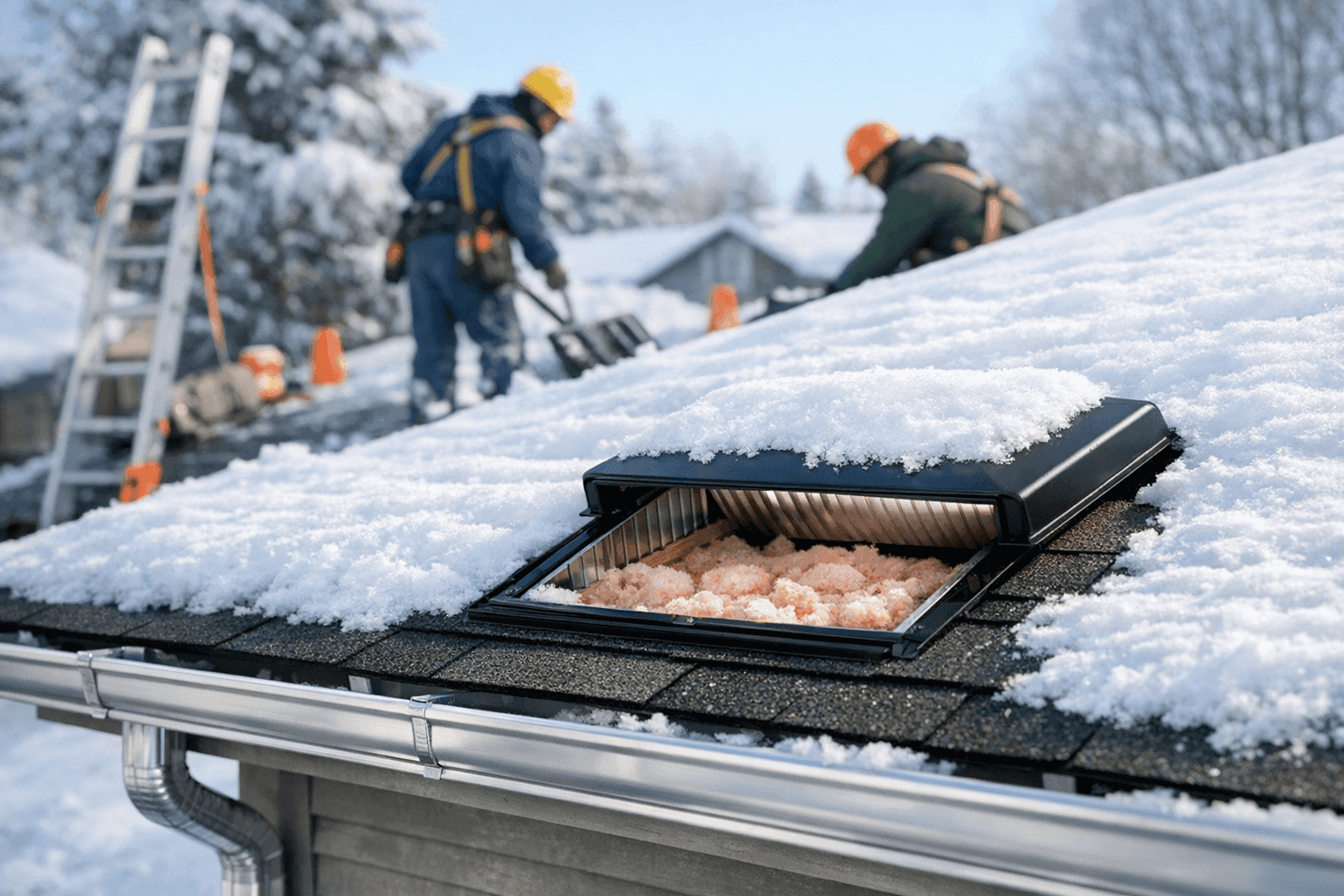
Winter can turn a sturdy roof into a headache overnight. Freezing rain, relentless snow, and biting winds find every weakness. If you’re not ready, one cold snap can mean leaks, damage, and urgent repairs.
At Shindo Trust Roofing, we’ve weathered hundreds of winters—helping both homeowners and businesses cut down costly surprises. Let’s break down what really puts roofs at risk, and how you can protect your investment when the temperature drops.
Winter Roofing Risks ❄️
Winter weather is like a stress test for your roof. Each freeze-thaw cycle works its way into the smallest cracks. Snow piles up, adding weight and pressure. Gutters clog, water backs up, and suddenly your living room ceiling has a stain.
Here’s what to watch for:
- Freeze-Thaw Cycles: Water sneaks into gaps. When it freezes, it expands, turning hairline cracks into big problems.
- Snow Load: Heavy snow acts like a slow-motion wrecking ball, pressing down on decking and shingles.
- Clogged Gutters: If water can't drain, it freezes along the eaves. That's when ice dams start.
The National Roofing Contractors Association (NRCA) recommends regular winter inspections to catch these issues early. Ignoring them? That’s like leaving your front door open in a blizzard.
Ice Dam Causes and Solutions
Ice dams are the silent roof-wreckers of winter. They look harmless—a pretty line of icicles—but underneath, they’re pooling water that can seep under shingles and into your attic.
What causes ice dams?
- Warm air rises from your attic, melting snow on the roof.
- Meltwater trickles down until it hits the cold edge, then refreezes.
- This forms a dam, trapping more water behind it.
How to prevent them:
- Insulation: Keep attic heat where it belongs—inside your home.
- Ventilation: Let cold air circulate in the attic. This keeps the roof’s surface cold, so snow melts evenly.
- Gutter Care: Clean gutters let water drain before it can freeze at the roof’s edge.
The International Building Code (IBC) highlights the importance of proper insulation and ventilation to minimize these risks.
Preparing Your Roof for Freezing Weather
Think of winter prep as you would packing a suitcase for a long journey—leave out one thing, and you’ll regret it halfway there.
Your winterizing checklist:
- Schedule a Roof Inspection: A pro can spot trouble you can’t see from the ground. Professional inspections catch cracked shingles, loose flashing, and weak spots before snow covers them up.
- Clean Gutters and Downspouts: Debris is like a log jam in a river—water goes everywhere except where it should.
- Upgrade Insulation: An extra layer in the attic can make all the difference.
- Check Ventilation: Blocked vents mean heat gets trapped, setting the stage for ice dams.
- Seal and Repair: Address any small leaks or missing shingles now, not after the first storm.
A little attention now saves a lot of trouble later.
How Freeze-Thaw Cycles Cause Damage
Water is sneaky. It finds tiny gaps between shingles, flashing, or around skylights. During the day, sun melts snow and ice. At night, it refreezes and expands, prying building materials apart bit by bit.
Over time, this cycle:
- Loosens nails and shingles
- Opens up new leaks
- Weakens decking and underlayment
A well-timed leak repair can stop these problems before they spread.
Snow Load: The Hidden Pressure
Fresh snow looks soft, but it’s heavy—especially when it’s icy or wet. Roofs are built to handle a certain weight, but a single storm can push them to the limit.
Warning signs:
- Sagging rooflines
- Doors that stick (frame warping)
- Cracks in drywall or plaster
Regular snow removal can prevent disaster, but it’s not a do-it-yourself job on steep or high roofs. Safety first—always.
Gutter Problems: More Than Just Overflow
When gutters clog, water backs up and freezes along the eaves. This ice can:
- Tear gutters away from the fascia
- Allow water to seep into soffits and walls
- Lead to mold and rot inside your home
In winter, clean gutters are your roof’s first line of defense. If you’re unsure, professional gutter cleaning makes a big difference.
Insulation and Ventilation: The Dynamic Duo
Proper insulation slows heat loss, while ventilation lets air move freely. Together, they keep your roof's temperature consistent—cutting down on ice dams and condensation.
Best practices:
- Attic floor insulation to prevent heat escape
- Ridge and soffit vents for steady airflow
- Seal gaps around hatches, lights, and pipes
These steps are recommended by the U.S. Department of Energy for long-term roof health.
Preventing Leaks Before They Start
A leak in winter isn’t just inconvenient—it can mean mold, ruined insulation, and thousands in repairs. Prevention is all about catching small problems before they become big ones.
- Address missing or damaged shingles right away
- Check flashing around chimneys, skylights, and vents
- Look for water stains or dampness in your attic after storms
Don’t wait for water to show up in your living room.
DIY Winter Roof Care: What You Can Safely Do
You don’t need a ladder to help your roof survive winter.
- Use a roof rake to gently remove snow near the edges (from the ground)
- Keep gutters and downspouts clear of leaves and debris
- Watch for icicles or drips, which can signal hidden trouble
Leave anything beyond arm’s reach to the professionals—safety matters.
When to Call a Pro
Some jobs are too big, too risky, or just need a trained eye. If you see:
- Persistent ice dams
- Sagging or cracked ceilings
- Leaks that won’t quit
Don’t wait. Professional help can mean the difference between a quick fix and a major renovation. Residents in the area can find more winter roofing support and practical advice for Silver Spring homes and businesses on our Silver Spring roofing page.
Emergency Roof Issues: What to Watch For 🚨
A small leak can turn into an emergency after a single cold snap. If you notice:
- Water pouring in after a storm
- Large areas of missing shingles
- Sudden sagging or bowing
Act fast. Cover the area with a tarp if safe, and call for emergency repairs right away.
Winter Roof Inspections: What Pros Look For
A professional inspection isn’t just a glance from the curb. Here’s what we check:
- Shingle condition and granule loss
- Flashing and sealant integrity
- Gutter attachment and drainage
- Signs of rot or mold in the decking
- Proper insulation and ventilation
Following industry protocols, we document every concern so you know exactly what’s needed.
Common Mistakes to Avoid
- Ignoring small leaks—water finds a way.
- Skipping gutter cleaning—one storm can undo months of maintenance.
- Blocking attic vents—good airflow is non-negotiable.
- Waiting until spring—winter damage gets worse, not better.
Timeline and Disruption: What to Expect
Most preventative work—inspections, minor repairs, cleaning—can be done in a single visit. Major repairs or replacements are weather-dependent, but urgent issues are always prioritized.
We work quickly to minimize disruption so you can get back to normal life, fast.
Materials Matter: Choosing the Right Winter Roof Solutions
Not all shingles, sealants, or insulation are created equal. We use materials rated for harsh winter climates, following guidelines from manufacturers and code bodies like the IBC.
- Ice and water shields under shingles
- Synthetic underlayments for extra moisture protection
- Durable, flexible sealants that move with the roof
Ask your roofer about what’s best for your situation.
FAQ: Winter Roofing Questions
Q: Is it safe to remove snow from my roof myself?
A: Only from the ground, using a roof rake. Never climb onto an icy roof.
Q: How often should I have my roof inspected in winter?
A: Once before winter, and after any major storm.
Q: Will insurance cover winter roof damage?
A: Policies vary. Document damage and repairs, and check with your provider.
Winter weather is tough, but with the right preparation and attention, your roof can handle whatever the season throws its way. For peace of mind and lasting protection, let Shindo Trust Roofing help you get ready.
Call Shindo Trust Roofing now — or reach us anytime at 888-698-1884 .