The Pros and Cons of Flat Roofs for Homes and Businesses
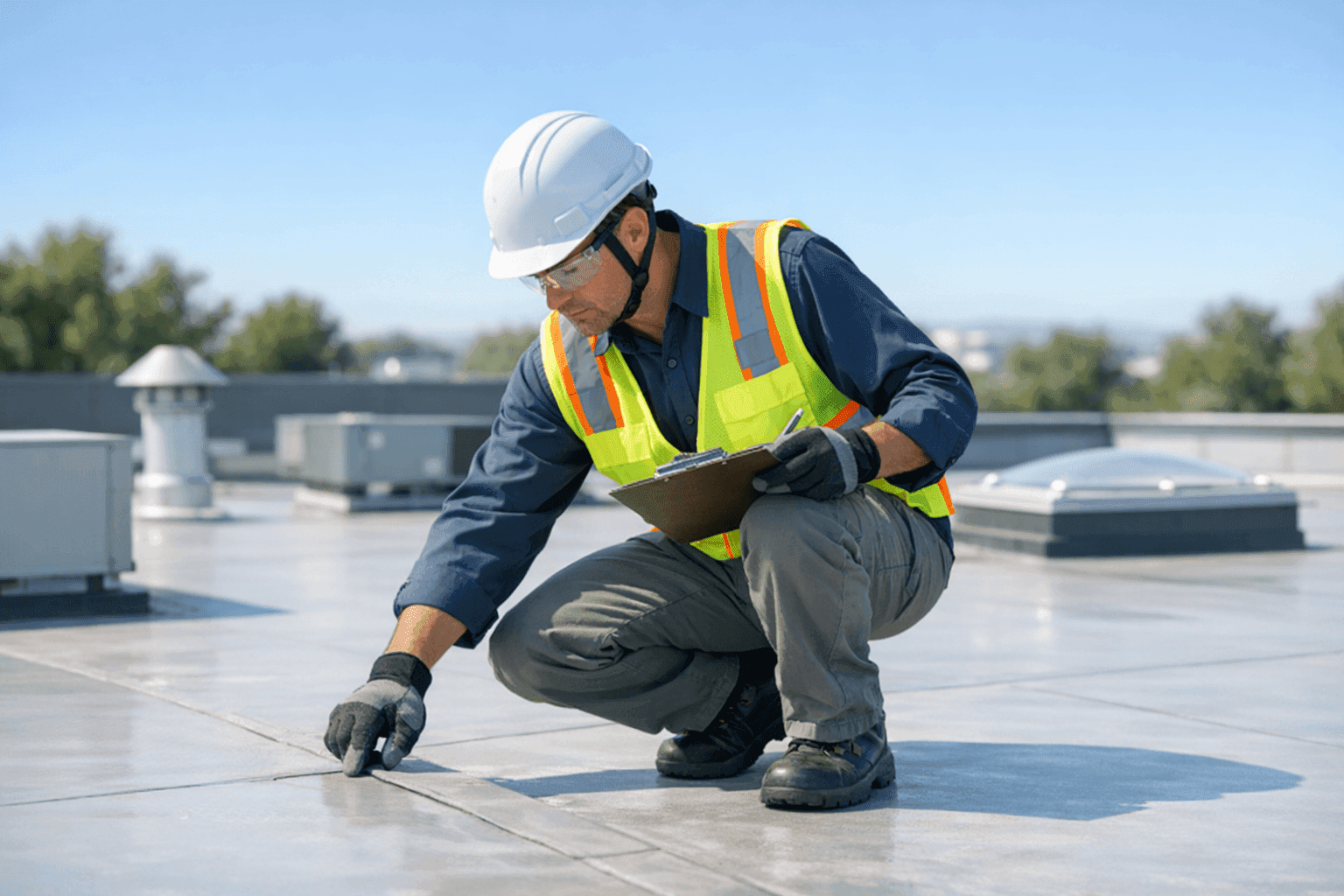
Is a flat roof right for your building? The decision can shape everything—from curb appeal to long-term costs. Flat roofs have a reputation for modern style and smart use of space. But as with any roofing choice, the real story isn’t just about looks.
At Shindo Trust Roofing, we’ve seen what works and what doesn’t, for both homes and businesses. Here’s what you should know before choosing a flat roof.
Flat Roof Advantages
Flat roofs stand out, not just for their sleek lines but for what they can do. Think of them as the “blank canvas” of the roofing world—ready for just about anything.
- Design Flexibility: Want a rooftop deck? Solar panels? A green roof? Flat roofs make it possible.
- Cost-Effective Installation: Materials and labor costs are often lower than for pitched roofs. Less framing. Fewer angles. Fewer headaches.
- Easier Access: Need to check a vent or clear a drain? Flat roofs are safer and simpler to walk on.
- Efficient Use of Space: HVAC units, satellite dishes, or even a rooftop garden—flat roofs turn the overhead into usable real estate.
- Modern Aesthetic: Clean, horizontal lines give buildings a contemporary look that’s hard to match.
Common Drawbacks
Every silver lining has its cloud. Flat roofs come with a set of challenges that pitched roofs can sidestep.
- Drainage Issues: Water is stubborn. On a flat roof, it wants to pool. Without careful design and maintenance, puddles can become leaks.
- Shorter Lifespan: Flat roofs, especially those using traditional materials, often wear out sooner than pitched ones. Regular exposure to sun and weather speeds up aging.
- Thermal Movement: Materials on flat roofs can expand and contract more dramatically. This constant movement stresses seams and joints.
- Limited Material Choices: Not every roofing material works well or lasts long on a flat surface.
- More Frequent Repairs: Expect to patch or reseal more often, especially in climates with heavy rain or snow.
Comparing Flat and Pitched Roofs
When you stack flat roofs against their pitched cousins, some contrasts pop out:
- Cost: Flat roofs usually cost less to install but may cost more to maintain over time.
- Energy Efficiency: With proper insulation and reflective coatings, flat roofs can be energy misers. Pitched roofs, though, excel at shedding snow and rain.
- Design Options: Flat roofs win for accessibility and versatility. Pitched roofs win for classic looks and proven reliability.
- Maintenance: Pitched roofs tend to need less frequent attention, thanks to natural drainage.
Maintenance Needs: A Closer Look 🧰
Flat roofs are a bit like cars. Neglect them, and problems can snowball fast. But with a schedule and a sharp eye, you can head off most trouble.
Key Maintenance Tasks
- Twice-Yearly Inspections: Early spring and late fall are best. Look for cracks, blisters, or pooling water.
- Clear Debris: Leaves, branches, and dirt can block drains and cause water to back up.
- Check Flashing and Seals: These are the usual suspects for leaks. Make sure nothing is peeling or lifting.
- Gutter and Downspout Cleaning: Essential for good drainage. One missed season can spell trouble.
Regular attention isn’t just about preventing leaks. It’s about protecting everything under the roof—your assets, your peace of mind, your investment.
Flat Roof Materials: What Works Best?
Not all flat roofs are built the same. The material underfoot matters.
- Built-Up Roofing (BUR): Layers of asphalt and felt. Proven, but heavy.
- Modified Bitumen: Flexible and strong, with a mineral or gravel surface.
- EPDM Rubber: Lightweight, easy to install, and cost-effective.
- TPO and PVC: Reflective, energy-efficient, and often used for commercial roofing.
Choosing the right material means balancing upfront cost, local climate, and how you intend to use the roof. Refer to the International Building Code (IBC) for guidance on fire resistance and installation standards.
Energy Efficiency and Environmental Impact
Flat roofs can be surprisingly green—if you plan ahead.
- Cool Roof Coatings: Reflect sunlight. Lower cooling bills.
- Green Roofs: Layers of soil and plants provide insulation and absorb stormwater.
- Solar-Ready: Flat roofs are perfect platforms for panels, maximizing your sun exposure.
A study by the U.S. Department of Energy found that cool roofs can reduce annual energy use by up to 15%. That’s not just pocket change—it’s real savings over the life of your building.
Best Use Cases for Flat Roofs
Flat roofs really shine in certain situations.
- Urban Buildings: Where real estate is tight, every square foot counts.
- Large Commercial Spaces: Warehouses, schools, and retail stores benefit from the simplicity and utility of flat designs.
- Modern Homes: Flat roofs create dramatic sightlines and maximize outdoor living space.
- Accessory Structures: Garages, sheds, and additions, where style and utility meet.
For a detailed look at flat roofing options and how they fit your project, see our flat roofs service page.
When Is Flat Roofing an Emergency?
Flat roofs can be unforgiving when things go wrong.
- Major Leaks During Storms: Water often finds the fastest way into your living space.
- Structural Sagging: This is a red flag. It means water has compromised the decking or support structure.
- Blow-Offs After High Winds: Edges and seams can lift, leading to rapid deterioration.
In these moments, quick response matters. Local support is available around the clock; for example, roofing professionals in Dubuque are on hand when nature doesn’t wait.
Professional Installation: Why It’s Critical
Flat roofs are less forgiving of shortcuts. Even a small mistake in slope, flashing, or drainage can haunt you for years.
- Precise Slope Engineering: Just a fraction of an inch per foot can make the difference between dry and drenched.
- Proper Flashing: Corners, edges, and penetrations (like chimneys or skylights) need special attention.
- Correct Material Application: Overlaps, adhesives, and seams must be perfect.
Building codes (refer to the National Roofing Contractors Association and local ordinances) require strict standards for flat roof installation. DIY isn’t recommended for these systems; professional experience protects your building—and your budget.
What to Expect During Installation
A flat roof replacement or new install is a big project, but not endless.
- Timeline: Most homes take 2–5 days. Larger commercial jobs may stretch to a week or more.
- Noise and Disruption: There will be some. But experienced crews minimize the mess and keep your property safe.
- Weather Delays: Rain or snow can pause work, since dry conditions are required for proper sealing.
Plan ahead. Move valuables away from work zones. Let your neighbors know if you’re in a tight area.
Seasonal Considerations
Flat roofs face different battles depending on the calendar.
- Spring: Heavy rains test drainage systems. Check for clogs and pooling water.
- Summer: Sun exposure accelerates wear and tear. UV-resistant coatings help.
- Fall: Leaves and debris pile up fast. Regular cleaning prevents problems.
- Winter: Snow and ice can stress the structure. Ice dams are less common, but heavy snow should be cleared to avoid sagging.
Signs Your Flat Roof Needs Attention
Don’t wait for a drip in the hallway. Early warning signs include:
- Bubbles or Blisters in the roof surface
- Standing Water more than 48 hours after rain
- Cracks or Splits along seams or flashing
- Moss or Algae Growth—points to water not draining
- Interior Stains on ceilings or walls
If you spot any of these, it’s time for a professional inspection.
Preventing Major Flat Roof Problems
A few smart habits go a long way.
- Schedule routine checks—at least twice a year.
- Keep drains, gutters, and downspouts clear.
- Trim overhanging trees to reduce debris.
- Apply protective coatings as recommended by your installer.
- Address small issues before they become big headaches.
For commercial buildings, a maintenance contract can be a lifesaver—literally catching problems before they interrupt business.
Insurance, Permits, and Code Compliance
Flat roof work isn’t just about materials and labor. You’ll want to check:
- Insurance Coverage: Make sure your policy includes roof leaks and storm damage.
- Permits: Most municipalities require them for major roof work.
- Code Compliance: Standards for fire safety, wind resistance, and load-bearing vary by location and roof type.
The National Roofing Contractors Association and your local building department are good resources for up-to-date requirements.
Flat Roofs and Roof Replacement: When Is It Time?
There’s a point when patching just isn’t enough.
- Multiple leaks, sagging, or large areas of worn material signal it’s time to consider a full roof replacement.
- If your roof is more than 20 years old, new materials may offer better energy performance and durability.
Flat Roofs for New Construction
Building from the ground up? Flat roofs are a popular choice for modern homes and commercial spaces. They offer flexibility for HVAC, solar, and custom layouts—and can often keep construction costs in check.
Final Thoughts: Is a Flat Roof Right for You?
Every building tells a story. Flat roofs can be bold, practical, and efficient. But they demand respect—especially when it comes to installation and ongoing care.
If you need a second opinion or want a tailored assessment, the team at Shindo Trust Roofing is ready to help.
Call Shindo Trust Roofing now — or reach us anytime at 888-698-1884 .