The Role of Downspouts in Roof Drainage Systems
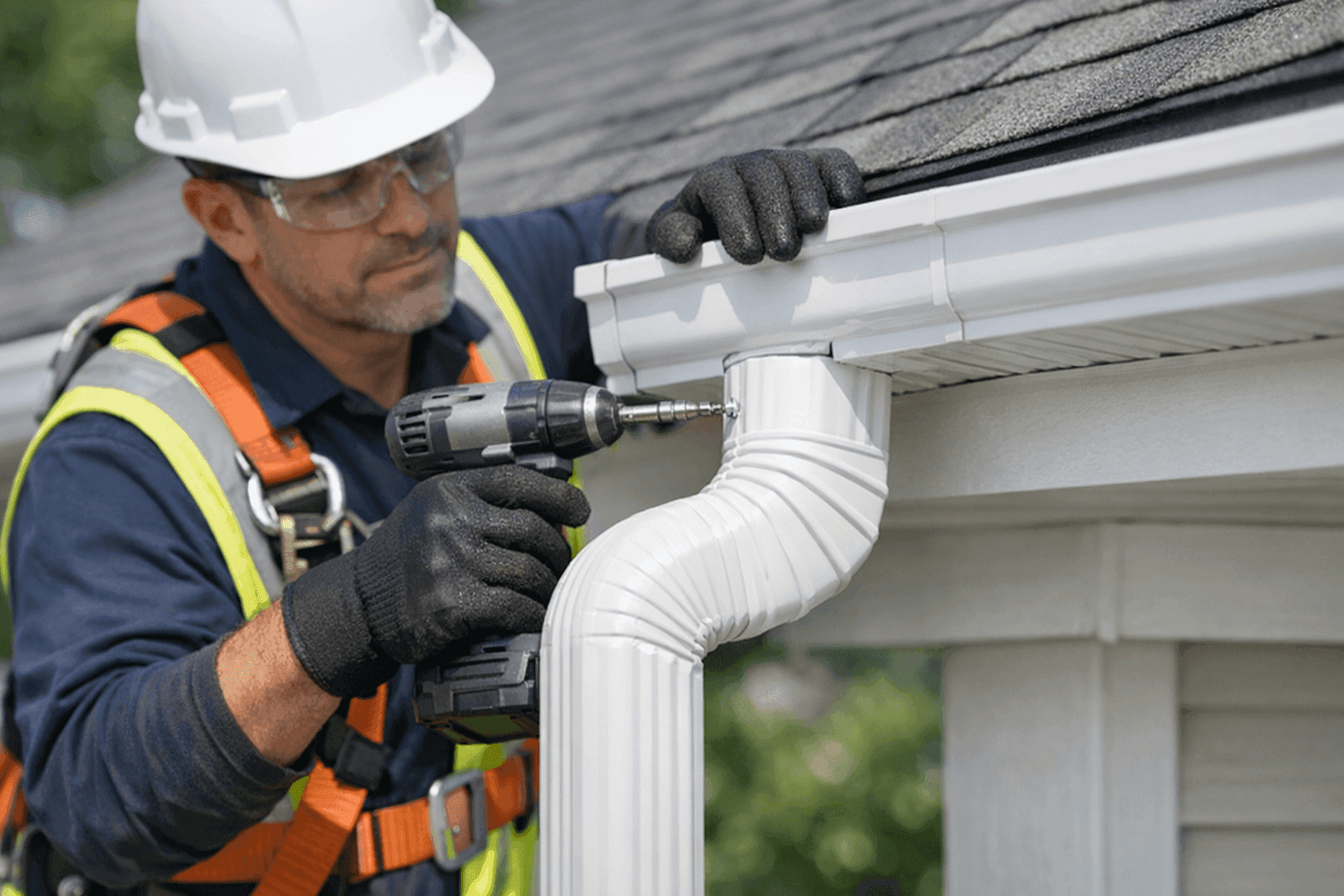
When rain pours and snow melts, your roof becomes a shield—catching and channeling water away from your home or business. But what happens next? That’s where downspouts step in. Without them, even the best roofing system can struggle, leaving puddles and problems in their wake.
At Shindo Trust Roofing, we know that a single overlooked detail in your drainage system can spell trouble. It’s not just about pipes and gutters. It’s about safeguarding your investment, season after season.
Downspout Function: The Unsung Hero of Roof Drainage 🏠
Imagine your roof as a giant umbrella. Gutters catch the water running off, but it’s the downspouts that carry it safely to the ground. Downspouts are the vertical channels that guide water from your gutters down and away from your foundation.
Why does this matter? Water pooling near your building’s base can erode soil, weaken foundations, and invite leaks into basements or crawl spaces. For commercial properties, improper drainage can even threaten structural integrity or create slip hazards.
A well-placed downspout acts like a storm drain for your roof—quietly working behind the scenes to keep your property dry and secure.
Selecting the Right Downspout: Shapes, Sizes, and Materials
Not all downspouts are created equal. Choosing the right type is like picking the right shoes for a long hike: fit, durability, and purpose matter.
Common Types:
- Round downspouts: Classic and efficient, often seen on older or traditional homes.
- Rectangular downspouts: Popular for modern buildings, they handle higher volumes and fit snugly against walls.
- Custom profiles: For unique architectural needs or historical restorations.
Material Choices:
- Aluminum: Lightweight, rust-resistant, and available in many colors.
- Galvanized steel: Strong and cost-effective, but needs proper coating to prevent rust.
- Copper: Long-lasting and stylish—often chosen for high-end projects.
- Vinyl: Budget-friendly and easy to install, but less durable in extreme weather.
Sizing Up: The right diameter depends on your roof’s surface area and local rainfall patterns. Too small, and water overflows. Too large, and you might be over-engineering (and overspending).
Installation Best Practices: Getting Downspout Placement Right
Proper downspout installation isn’t just about attaching a pipe to your gutter. It’s a thoughtful process that considers:
- Slope and flow: Downspouts should be placed at the lowest points of your gutter runs.
- Spacing: For most homes, every 30–40 feet of gutter should have a downspout. Large or complex roofs may need more.
- Termination: Water should be directed at least 5–10 feet away from the foundation, using splash blocks or extensions.
- Code compliance: Building codes (such as those from the International Residential Code) set minimum requirements for drainage and discharge.
A misplaced downspout is like a leaky hose—water ends up where it shouldn’t be. That’s why professional downspout setup is worth the investment.
Common Installation Mistakes (and How to Avoid Them) 🚫
Even small errors during installation can lead to headaches down the road. Watch for these pitfalls:
- Insufficient slope: Downspouts should be vertical; any tilt can slow water or cause clogs.
- Too few downspouts: Overloading a single downspout leads to overflow and gutter damage.
- Improper discharge: Ending a downspout too close to the foundation invites water intrusion.
- Skipping leaf guards: Debris buildup is a leading cause of blockages.
- Ignoring expansion: Metal downspouts expand and contract; secure them with brackets that allow movement.
Correcting these issues early saves on costly repairs later.
Signs of Downspout Trouble: What to Watch For
How do you know if your downspouts are struggling? Look for these red flags:
- Overflowing gutters during rain
- Water stains on exterior walls
- Erosion or puddles near the base of your home
- Sagging or detached downspouts
- Visible rust, cracks, or splits
If you notice these symptoms, it’s time to inspect your entire drainage system.
Downspouts and Structural Protection
Downspouts do more than keep your basement dry. They’re a frontline defense against:
- Foundation cracks caused by water pressure.
- Soil erosion that can destabilize walkways or landscaping.
- Ice damming in colder climates, which can damage shingles and gutters.
- Mold and mildew growth in walls or crawl spaces.
A healthy drainage system extends the life of your entire property—from the attic to the basement.
Maintenance Tips: Keeping Downspouts Flowing Year-Round 🛠️
Routine care keeps your drainage system in top shape. Here’s what to do:
- Clear debris: Leaves, twigs, and nests can clog downspouts fast—especially after storms or in autumn.
- Flush with water: Use a hose to check for blockages at least twice a year.
- Check connections: Ensure brackets and joints are secure and leak-free.
- Inspect for damage: Look for dents, rust, or loose fittings after severe weather.
Regular maintenance not only prevents sudden failures but also helps spot small issues before they grow.
Repair or Replace? Deciding What’s Next
Some downspout issues can be fixed with simple repairs—tightening a bracket, replacing a section, or adding a splash block. Other times, especially with older systems or recurring clogs, replacement is the smarter move.
If your property has unique needs—like a complex roofline or heavy tree cover—custom solutions might be required. That’s when professional assessment makes a difference.
Preventing Roof and Gutter Damage: The Downspout Connection
Downspouts and gutters are a team. If one is out of order, the other suffers. Overflowing gutters can pull away from the roof, damaging fascia boards and even leading to leaks inside your home or business.
Proper downspout placement helps distribute water evenly, reducing the risk of ice buildup and prolonging the life of your entire roofing system. For those searching for "Shingle Roofing near you," remember: drainage is just as important as the shingles themselves.
Code Compliance and Quality Materials
At Shindo Trust Roofing, we follow all relevant building codes and manufacturer guidelines. Using high-quality materials and proper fasteners isn’t just about appearances—it’s about ensuring your drainage system stands up to the elements. The International Building Code (IBC) and local ordinances lay out clear rules for roof drainage, and we’re committed to meeting or exceeding them on every project.
DIY or Call a Pro? When to Get Help
Some homeowners tackle minor gutter cleaning or splash block placement. But when it comes to installing downspouts, working at heights, or dealing with persistent leaks, safety and expertise matter. Roofing work involves ladders, tools, and sometimes electrical hazards—best left to those with the right training.
If you’re in need of Mentor roofing services, our team is ready to help with everything from emergency repairs to seasonal maintenance.
Seasonal Considerations: Preparing for Heavy Rains and Snow
Spring thaws and autumn storms put your drainage system to the test. Before the wet season hits:
- Clean out all gutters and downspouts
- Check for loose or damaged sections
- Install leaf guards if you have overhanging trees
- Make sure all water is draining away from the foundation
A little prep now can prevent big headaches later.
Emergency Situations: Acting Fast When Water Strikes ⚡
A sudden storm can overwhelm even the best systems. If you notice water pouring over gutters or pooling near your foundation, act quickly:
- Clear visible blockages if safe to do so.
- Place temporary extensions to divert water away.
- Call a professional for urgent repairs.
Quick action can minimize water damage and protect your property’s value.
Timeline & Disruption: What to Expect During Downspout Work
Most downspout repairs or replacements can be done in a day, depending on your roof’s size and complexity. You might hear some hammering or see ladders around your property, but a skilled crew works efficiently and cleans up thoroughly. For new installations, scheduling during dry weather is ideal.
Frequently Asked Questions About Downspouts
How often should I clean my downspouts?
Twice a year is standard—typically in spring and fall. More often if you have lots of trees nearby.
Can I add more downspouts to my existing gutters?
Yes! Adding downspouts can improve drainage and extend the life of your roofing system.
What’s the best way to prevent clogs?
Install leaf guards and regularly check for debris, especially after storms.
Local Support: Ready When You Need Us
Whether you’re preparing for the next storm or dealing with a sudden leak, our team is always nearby. Property owners looking for Mentor roofing services can count on responsive help and thorough inspections.
Call Shindo Trust Roofing now — or reach us anytime at 888-698-1884 .