Roof Cleaning: Best Practices for Longevity and Curb Appeal
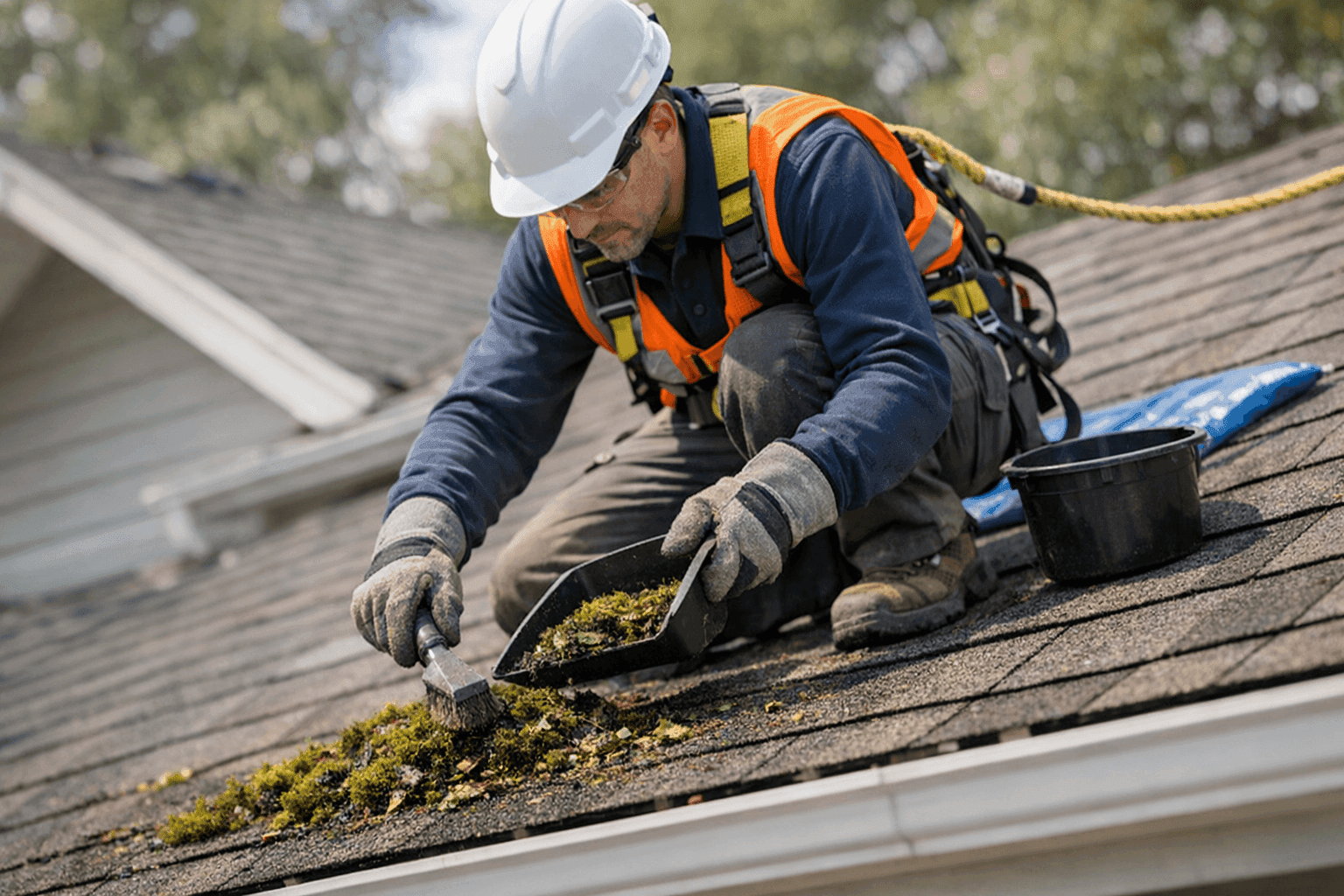
Keeping your roof clean might seem like just another home maintenance chore—but it’s one that can make or break the health and look of your home or business. Picture a roof blanketed in moss and debris: it’s not just about looks; it’s about the protection overhead every day.
At Shindo Trust Roofing, we know that a clean, well-maintained roof is the first defense against the elements and a key to your property’s lasting value. Let’s break down what goes into roof cleaning, why it matters, and how to do it safely and effectively.
Why Clean Your Roof? 🏠
A roof isn’t just a hat for your house. It’s a shield. Over time, leaves, branches, and moss pile up. Rain and sun work together, turning that debris into a soggy, damaging mess. This is more than an eyesore; it’s a slow, silent threat.
Roof cleaning matters because:
- Moss and algae trap moisture, causing shingles to rot and wood decking to weaken.
- Debris in gutters leads to water backup, which can seep into attics or walls.
- Dirty roofs age faster and need repairs or replacement sooner.
- Curb appeal takes a hit—home value drops, and first impressions falter.
According to the National Roofing Contractors Association (NRCA), regular cleaning is one of the most effective ways to extend your roof’s lifespan.
The Hidden Risks of DIY Roof Cleaning
Think cleaning your roof is just a hose and a ladder? Think again. Many homeowners learn the hard way that roofs are slippery, especially with algae or wet leaves. One wrong step and you’re looking at a trip to the ER, not just a sparkling roof.
Common risks:
- Slipping off steep or damp surfaces.
- Damaging shingles or tiles with harsh scrubbing or the wrong chemicals.
- Voiding manufacturer warranties by using improper cleaning methods.
The Occupational Safety and Health Administration (OSHA) sets out clear ladder and fall protection guidelines for good reason. Safety should always come first—your health is worth more than a clean roof.
Cleaning Methods: The Safe and Smart Approach
There’s more than one way to clear a roof, but not all are equal. It’s essential to match the method to your roof type.
Soft Washing
The best friend to most shingle roofs. Soft washing uses gentle water pressure and biodegradable cleaners to dissolve moss and lift dirt. No damage, no stripped granules—just a fresh, clean surface.
Manual Debris Removal
Sometimes, the old ways win. Carefully removing branches, leaves, and nests by hand (using a roof-safe rake or blower) is safest for shingles and tiles. Always work from a stable platform and clear gutters as you go.
Moss and Algae Treatments
Stubborn green patches? Apply a moss-specific treatment, let it work, then rinse gently. Never power-wash shingles; the blast can peel away protective layers.
Choosing Safe Cleaning Products
Not every cleaner is roof-friendly. Bleach-based mixes can harm plants and corrode metal. Look for:
- Biodegradable solutions labeled as roof-safe.
- Products approved by manufacturer guidelines (especially for shingle roofing near you).
- Treatments with minimal runoff impact for gardens and pets.
Always wear gloves and eye protection, and follow all label instructions to the letter.
Professional vs. DIY: When to Call in the Pros
Sure, some light debris removal is possible for the handy homeowner. But roof angles, fragile materials, and safety risks make professional service the smart choice for most.
Pros bring:
- Safety harnesses and proper ladders.
- Knowledge of roof types, from metal to tile and flat roofs.
- The right cleaning solutions for every surface.
- Eyes for trouble—spotting leaks, cracked flashing, or loose shingles before they become disasters.
If you’re ever unsure, it’s safer and often more cost-effective to call in a team trained in preventative maintenance. One misstep on a roof can cost far more than the cleaning itself.
Signs Your Roof Needs Cleaning
You might not notice trouble until it’s right overhead. Watch for:
- Dark streaks or green patches (algae and moss).
- Overflowing gutters or water pooling at the foundation.
- Shingles curling or lifting, especially near debris piles.
- Plants sprouting out of gutters or roof valleys.
Tackle cleaning before these signs turn into costly repairs.
Quick Safety Checklist for Roof Cleaning
Before you—or anyone—steps on the roof:
- Inspect the ladder: stable, locked, and set on level ground.
- Never work alone. Have a spotter nearby.
- Use non-slip shoes and harnesses on steep roofs.
- Avoid cleaning in wet or windy weather.
- Wear gloves, eye protection, and long sleeves.
- Check local safety codes or OSHA guidelines for any additional requirements.
Moss, Algae, and Debris: Removal Techniques
Each type of grime needs its own strategy:
- Moss: Apply moss killer, wait a few days, then gently brush away.
- Algae: Soft wash with a mild, roof-approved solution.
- Debris: Remove by hand or with a leaf blower pointed downward (never up under shingles).
Take care not to force water or debris under shingles or flashing—this can cause hidden leaks.
Cleaning Frequency and Maintenance Schedule
How often should you clean your roof? The answer depends on tree cover, weather, and roof material.
- Annual cleaning is a good rule of thumb for most homes.
- More often if you have overhanging trees or live in a damp climate.
- After major storms, check for debris and clear gutters promptly.
A regular inspection can catch issues early, reducing the time and cost of later repairs.
Before and After: What to Expect
A freshly cleaned roof doesn’t just shine—it performs. Water runs off smoothly, moss disappears, and your property looks years younger. The difference is dramatic, especially when paired with a professional gutter cleaning and minor repairs.
Photographs taken before and after cleaning often show not just visual improvement, but the absence of debris dams and pooling water. It’s like clearing your windshield for the first time in months—the whole home feels refreshed.
Common Mistakes to Avoid
- Using a pressure washer on asphalt shingles.
- Ignoring safety gear or skipping a spotter.
- Cleaning without checking forecast—wet roofs are dangerous.
- Letting debris build up in gutters, inviting water damage.
Learning from others’ mistakes saves both money and frustration.
When It’s an Emergency
Sometimes, cleaning can’t wait. If a recent storm has left heavy limbs or created visible sagging, act fast. Emergency service isn’t just for leaks—sometimes fast debris removal prevents disaster.
If you’re in the area, our crew offers responsive help for homeowners and businesses alike; see our Moore, OK service area for local support.
Preparing for Service: What Homeowners Should Know
Before a cleaning crew arrives:
- Move vehicles and patio furniture away from the house.
- Unlock gates for easy access to gutters and downspouts.
- Alert the team to pets or delicate landscaping.
- Ask for a brief safety rundown and what treatments will be used.
Communication makes the process smoother and safer for all involved.
The True Value: Curb Appeal and Longevity
A clean roof stands out like a crisp shirt on the first day of school. Neighbors notice. Buyers notice. And, most importantly, you notice the peace of mind. Regular cleaning is an investment—a little effort now prevents major headaches later.
The National Roofing Contractors Association and local building codes both emphasize preventative maintenance for one simple reason: it works. Your roof lasts longer, looks better, and keeps doing its job year after year.
The Bottom Line: Protect Your Investment
Your roof is more than just shingles and nails—it’s peace of mind, curb appeal, and long-term savings all rolled into one. Clean it right, and you’ll see the benefits every time you pull into the driveway.
Call Shindo Trust Roofing now — or reach us anytime at 888-698-1884 .