Roof Decking: What It Is and Why It Matters
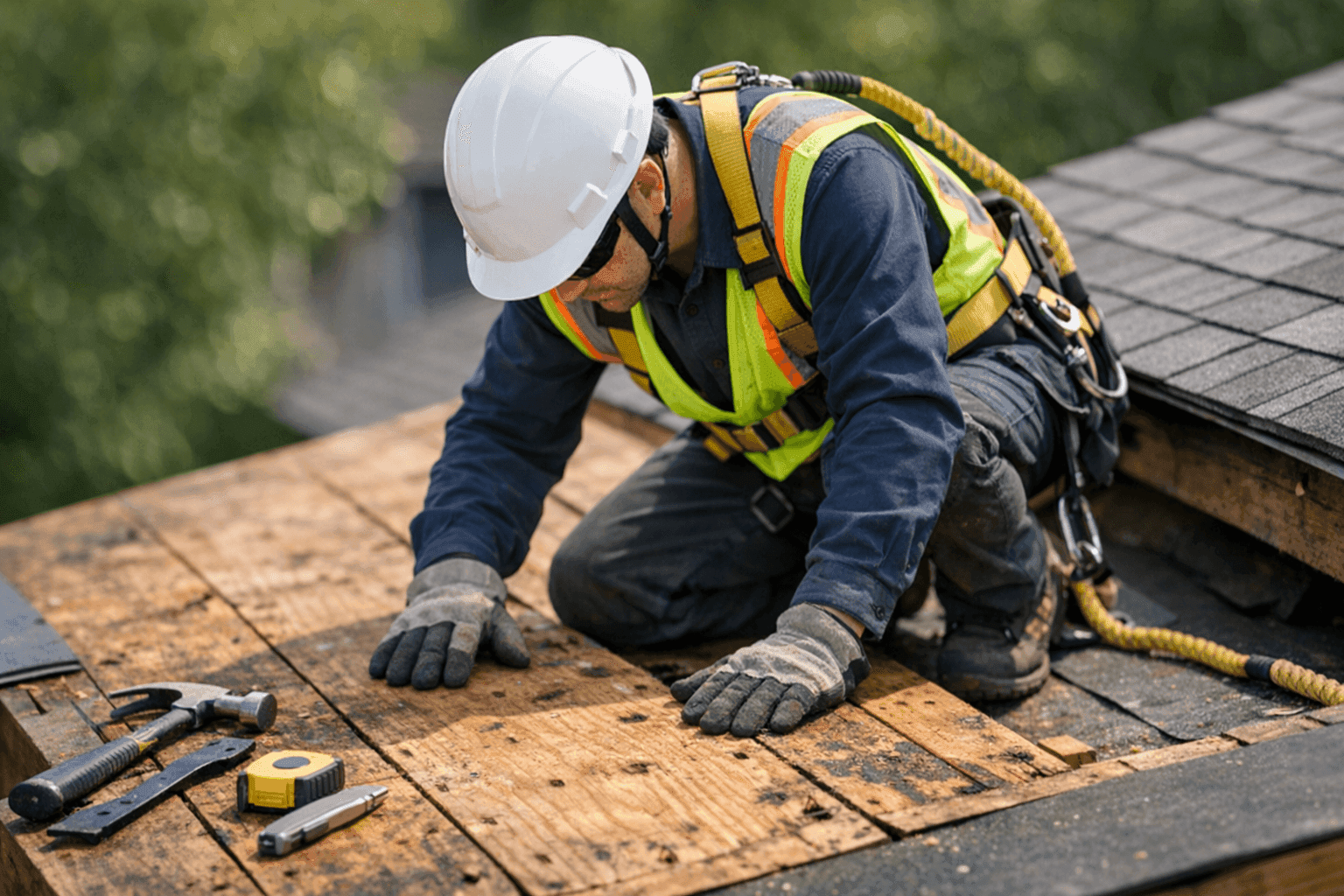
Every roof tells a story, but it’s what’s underneath the shingles that really sets the stage. Roof decking is the silent backbone—holding up every layer above, quietly doing its job. Until it doesn’t. When decking fails, leaks creep in, insulation sags, and costly repairs aren’t far behind.
At Shindo Trust Roofing, we’ve seen the chain reaction that starts with unnoticed decking issues. We’re here to pull back the curtain and show why roof decking deserves your attention—whether you’re caring for a busy commercial property or a family home.
What Is Roof Decking?
Think of roof decking as the foundation of your roof—like the plywood floor beneath your carpet at home. It’s a solid surface, usually made of wood or engineered panels, where everything else rests. Shingles, tiles, metal panels, insulation, and even skylights all depend on decking for support and stability.
Decking must be strong enough to hold the weight of your roofing materials, plus snow, rain, and the occasional squirrel scamper. If it weakens, everything above is at risk.
Decking Materials: What’s Holding Up Your Roof? 🪵
Not all decking is created equal. The material matters—a lot. Here’s what’s common on roofs today:
- Plywood/OSB (Oriented Strand Board): Most residential roofs use these wood panels. Plywood is made from thin layers of wood glued together, while OSB uses wood chips. Both are sturdy, but OSB is more affordable.
- Tongue-and-Groove Planks: Think old-school charm—solid wood boards that interlock. You find these beneath many historic homes and barns.
- Metal Decking: Commercial roofs, especially flat ones, often use corrugated steel decking for strength and fire resistance.
- Concrete Decking: Rare in homes, but common in large commercial buildings. Heavy and extremely durable.
The right material depends on your building, local codes, and the type of roofing you want. The International Residential Code (IRC) and International Building Code (IBC) set minimum standards for thickness, spacing, and fastening.
How Decking Supports Your Roof System
Decking is like the canvas for an artist. It provides a flat, stable surface for everything else—shingles, underlayment, and flashing. Without reliable decking, even the best "Shingle Roofing near you" can't perform as promised.
A healthy deck:
- Spreads out the weight of roofing materials evenly
- Supports foot traffic for repairs or inspections
- Holds fasteners (nails, screws) securely in place
- Prevents dips, sags, and weak spots that let water in
When the deck is compromised, the entire roof above is on shaky ground.
Signs of Damaged Decking to Watch For
Not all roof problems start with missing shingles. Sometimes, the real trouble is hidden one layer deeper.
Watch for these warning signs:
- Sagging Rooflines: If you see a dip or wave in your roof, decking could be soft or rotted.
- Leaking or Water Stains: Water spots on ceilings or in the attic often mean the deck is letting moisture through.
- Musty Odors: Mold and mildew thrive where water seeps in—especially in the dark spaces between decking and insulation.
- Spongy Feel Underfoot: If walking on the roof feels soft or springy, the decking may be deteriorating.
- Nail Pops: Fasteners that push up through shingles or underlayment can signal warped or weakened decking.
If you spot any of these, it’s time to take action. A professional inspection is critical—don’t wait for a minor issue to become a major headache.
What Causes Decking Failure?
Decking doesn’t just fall apart overnight. Here’s what usually starts the downward spiral:
- Moisture Intrusion: Leaks from failed shingles, flashing, or gutters allow water to soak into the deck, leading to rot.
- Poor Ventilation: Without airflow, attics trap heat and moisture, speeding up wood decay and mold growth.
- Pest Infestation: Termites, carpenter ants, and rodents can chew through wood decking, causing hidden gaps and weak spots.
- Old Age: Like any building material, decking ages. Decades of freeze-thaw cycles, UV exposure, and normal wear add up.
- Improper Installation: Decking that’s too thin, spaced too far apart, or fastened incorrectly won’t last.
The Domino Effect: How Decking Damage Leads to Bigger Problems
A cracked or rotting deck is like a cracked foundation in a house—everything above it suffers.
- Leaks: Water finds the path of least resistance. Damaged decking lets rain sneak into attics and walls.
- Structural Damage: Prolonged leaks can rot rafters, trusses, and even ceilings, leading to expensive repairs.
- Insulation Failure: Wet insulation loses its R-value, so your energy bills climb.
- Shingle Failure: Shingles need a flat, strong surface. A warped deck leads to loose or missing shingles, speeding up roof aging.
Ignoring decking problems is like ignoring a flat tire on a highway—it only gets worse.
Inspection: The Only Way to Know for Sure
You can’t judge roof decking from the curb. Sometimes even pros need to peel back shingles or use a moisture meter to get the full picture.
Professional roofing teams (like ours) look for:
- Water stains or mold on the underside of the deck
- Soft or crumbling wood
- Gaps, cracks, or delamination
- Proper nailing and fastener patterns
A thorough inspection follows the guidelines set by the National Roofing Contractors Association (NRCA) and local building codes. Homeowners should schedule regular inspections, especially after storms or if your roof is over 15 years old.
Repair and Replacement: What’s Involved?
If your decking is damaged, the fix isn’t always small. Minor issues, like a single soft spot, might be patched. But widespread damage usually calls for full replacement.
Here’s the typical process:
- Remove Roofing Materials: Shingles, underlayment, and sometimes flashing must come off.
- Inspect the Deck: Pros look for rot, mold, and fastener problems.
- Replace or Repair Decking: New panels are cut to size and installed, ensuring tight seams and proper spacing.
- Install New Underlayment and Shingles: Only after the deck is sound.
- Final Inspection: Confirm everything meets code and manufacturer specs.
If your roof needs a new start, replacing the decking often happens during a new roof installation or major repair.
Impact on Roof Longevity
The lifespan of your roof isn’t just about shingles or coatings. Decking sets the clock.
- Solid Decking = Longer Roof Life: Sound wood or panels prevent premature leaks.
- Poor Decking = Frequent Repairs: Weak spots mean constant patch jobs and shorter shingle lifespan.
- Insurance and Warranty Issues: Many roof warranties require code-compliant, intact decking. Skimping here could void your coverage.
Investing in quality decking during installation or repair pays off for decades.
DIY vs. Call a Pro
Replacing a warped floorboard inside your home is one thing—ripping up roof decking is a whole different challenge. Working on a roof is risky, and mistakes can lead to costly leaks or even collapse.
Major repairs or decking replacement should always be handled by licensed roofing professionals. They have the right safety gear, tools, and know-how to spot hidden issues and install materials to code.
Prevention: Keeping Your Decking Strong
You can’t control the weather, but you can help your decking last:
- Clean Gutters Regularly: Clogged gutters send water onto your roof deck, causing rot.
- Fix Leaks Promptly: Even small leaks can spell big trouble over time.
- Ensure Proper Ventilation: Good airflow in your attic helps keep decking dry.
- Schedule Regular Inspections: Catch problems before they spread.
Taking small steps now saves you from major headaches later.
Costs and Timeline: What to Expect
Decking repairs or replacement are an investment. Costs depend on the material, extent of damage, and roof size. Expect a few days of disruption for a full tear-off and replacement—sometimes longer for commercial buildings or weather delays.
While the price tag can be daunting, remember: solid decking means fewer surprises and a longer-lasting roof.
When It’s an Emergency 🚨
If you notice water pouring into your attic, a sagging ceiling, or a large collapsed section, this isn’t a wait-and-see situation. Call for emergency roofing service right away.
Roof decking failure can quickly become a safety hazard. For residents and businesses in the area, local support is available here when time is of the essence.
Seasonal Considerations
Winter’s freeze-thaw cycles can exploit hidden cracks in decking, while summer storms test every seam and nail. Schedule inspections before and after harsh seasons to catch issues early.
Common Mistakes to Avoid
- Ignoring warning signs
- Covering up old, damaged decking with new shingles
- Skipping code-required repairs
- Underestimating the importance of attic ventilation
Don’t let small oversights lead to big expenses.
FAQs: Quick Answers
- How often should decking be inspected? At least once a year, and after major storms.
- Can decking be repaired without replacing the whole roof? Sometimes, but widespread damage usually calls for a full tear-off.
- What if only a small section is bad? It can be patched, but pros need to check for hidden damage elsewhere.
Your Next Steps
Roof decking may be out of sight, but it should never be out of mind. Keeping it strong is key to a safe, dry, and durable roof—whether you own a home or manage a commercial property.
For more details on our full range of decking repairs, see our decking services.
Call Shindo Trust Roofing now — or reach us anytime at 888-698-1884 .