Roof Flashing Repair: Why It Matters for Leak Prevention
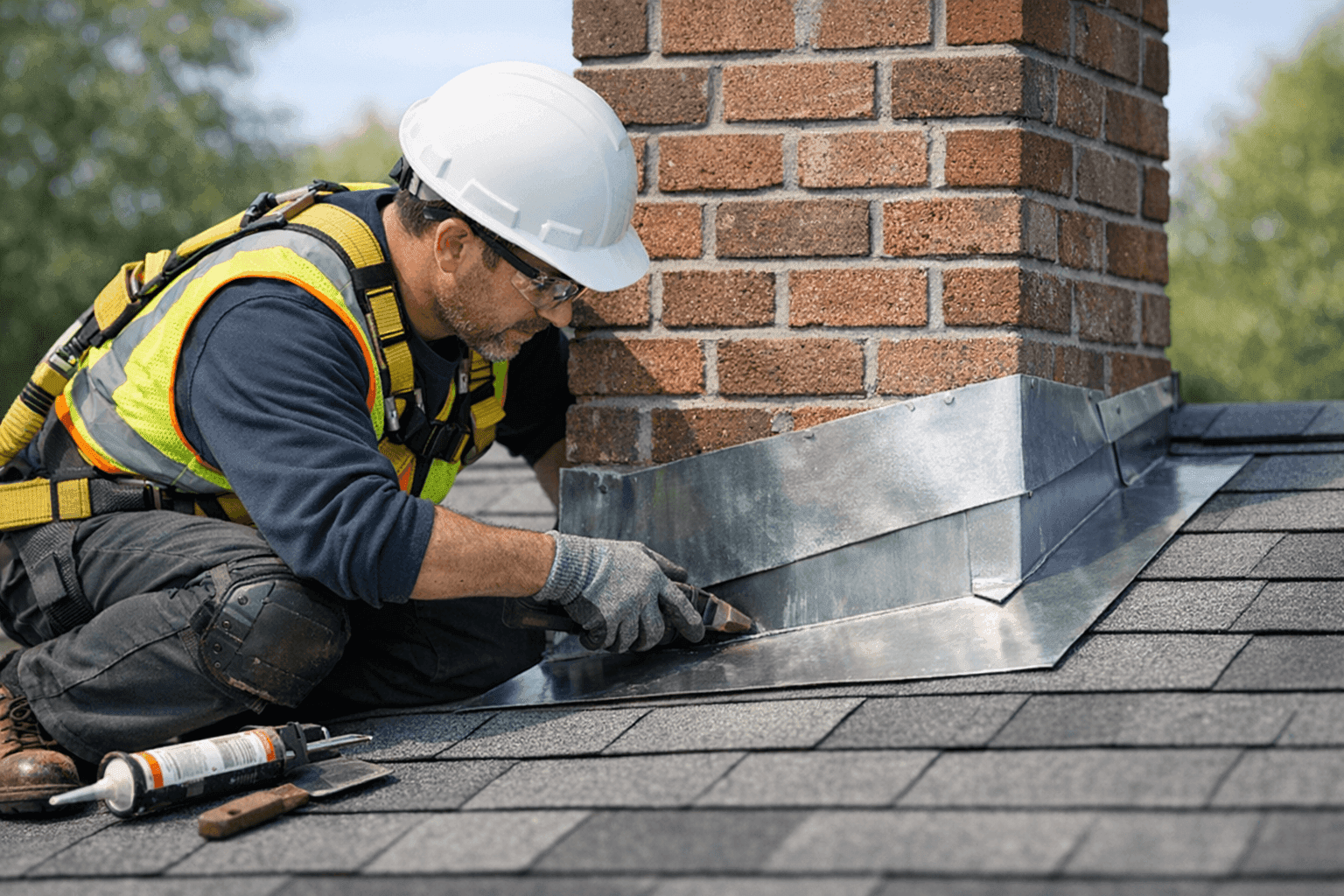
When a roof leaks, it’s rarely the shingles’ fault alone. More often, the real culprit hides in plain sight: roof flashing. Those thin strips of metal or rubber, tucked around chimneys, valleys, and skylights, are your roof’s unsung heroes. When they fail, water finds its way inside—quietly at first, then with devastating effects.
At Shindo Trust Roofing, we understand how a small flashing problem can turn into a cascade of headaches. That’s why recognizing the warning signs and acting fast can mean the difference between a quick fix and a costly renovation.
What Is Roof Flashing, and Why Is It So Important?
Think of roof flashing as the umbrella’s edge. Its job? To steer water away from the places your roof is most likely to leak. Flashing is typically installed wherever the roof surface meets a vertical wall, a vent, a skylight, or any protrusion.
Common flashing materials:
- Galvanized steel (most common)
- Aluminum (lightweight, but not for every roof)
- Copper (long-lasting, premium)
- Rubber or bitumen-based membranes (for flat roofs)
These materials are chosen for their ability to withstand the elements, but even the best flashing can wear out. Improper installation or years of weathering can open up tiny gaps. That’s all it takes for water to sneak in and cause mold, rot, and even structural damage.
Key Flashing Locations: Where to Watch Closely
Some parts of your roof are more vulnerable than others. Here’s where flashing does its most critical work:
- Chimneys: The base and sides are prime targets for leaks.
- Roof valleys: Where two roof planes meet—think of these like rain gutters for your shingles.
- Skylights: Edges are notorious for letting water in if not sealed right.
- Vent pipes: Plumbing stacks often rely on a rubber boot and metal flashing.
- Roof edges and walls: Step flashing runs along eaves and dormers.
When flashing gives out in these spots, you may not notice immediately. But the damage adds up over time.
Signs of Flashing Failure
How do you know if your flashing is in trouble? Sometimes, it shouts. Sometimes, it whispers. Watch for these red flags:
- Water stains on ceilings or walls, especially near chimneys or skylights.
- Peeling paint, bubbling plaster, or a musty smell indoors.
- Visible rust, corrosion, or cracked sealant on flashing.
- Shingles curling or lifting near roof intersections.
- Damp attic insulation or mold growth in corners.
If you see any of these signs, your roof may already be letting water in. Early action is key.
Where Flashing Fails: Common Trouble Spots
Flashing is only as good as its weakest point. Here’s where most leaks begin:
- Loose or missing sections after a storm
- Dried, cracked sealant pulling away from the flashing edge
- Nails or fasteners that have rusted or popped out
- Shifting of metal due to roof movement, especially on older homes
- Improper overlap or installation shortcuts (not following NRCA or local building codes)
Industry standards, like those from the National Roofing Contractors Association (NRCA) and International Residential Code (IRC), call for a precise overlap and secure fastening. Shoddy work here often leads to big costs later.
The Professional Roof Flashing Repair Process
How does a pro tackle flashing repair? Here’s what to expect from a qualified roofing crew:
- Inspection: Start with a thorough check, both outside (on the roof) and inside (attic and ceilings).
- Identify material: Match the flashing type to your roof system. Not all metals play well together—mixing can cause corrosion.
- Remove damaged sections: Carefully pry up shingles and old flashing without damaging the roof deck.
- Install new flashing: Cut to fit, then secure with nails or screws—never through the flashing face, always at the edges.
- Seal all joints: Use recommended roof sealant (never household caulk). Pay attention to code requirements for overlap and integration with underlayment.
- Restore shingles or tiles: Lay everything back down, ensuring a watertight fit.
A job done right looks seamless. No gaps, no shortcuts. That’s why it pays to hire those who know roofing inside and out.
DIY Roof Flashing Repair vs. Hiring a Pro
Tempted to grab a ladder and fix it yourself? Here’s the reality check:
- Safety: Roof work is risky. A slip can mean a trip to the ER.
- Proper materials: Not every flashing or sealant is suitable for every roof type.
- Installation know-how: Even a small mistake can create a new leak.
- Warranty concerns: Many roofing systems require pro repairs to keep the warranty valid.
For small, visible cracks in sealant, a temporary patch might buy you some time. But for anything more, calling in a pro is the wise move. You can read more about our full roof flashing repair process and what to expect.
Preventing Leaks Before They Start
Prevention is the best cure. Here’s how to keep flashing failure from upending your peace of mind:
- Schedule annual roof inspections, especially after storms or heavy winds.
- Keep gutters and downspouts clear—clogged drains accelerate flashing wear.
- Watch for moss or debris buildup around chimneys and skylights.
- Ask about newer, longer-lasting flashing materials during shingle roofing near you upgrades.
- Insist on code-compliant installation for new roofs or additions.
A little vigilance goes a long way. The earlier you catch a flashing issue, the cheaper—and easier—the fix.
The Hidden Costs of Ignoring Flashing Problems
It’s tempting to put off a minor repair. But flashing issues rarely stay small:
- Water stains spread, leading to expensive drywall or paint repairs.
- Persistent leaks rot framing, leading to costly structural work.
- Mold grows, turning a leak into a health hazard.
- Energy bills rise as insulation gets soaked and loses its punch.
Quick fixes aren’t just about saving money. They’re about protecting your home or business for the long haul.
Flashing and Roofing Codes: Why Standards Matter
There’s a reason professional roofers talk about “doing it to code.” The International Building Code (IBC) and local regulations set minimum standards for flashing size, material, and installation. Ignoring these can void insurance claims or create liability down the road.
Always ask your roofer if their work meets the latest codes and manufacturer guidelines. It’s not just paperwork. It’s your property’s best defense.
How Roof Flashing Repair Fits Into Total Leak Prevention
Flashing isn’t the whole story, but it’s a key chapter. Roof leaks often start small—just a bead of water sneaking past a joint. But that bead can grow into a stream, then a flood.
Combining flashing repairs with leak repair strategies gives you a one-two punch against water intrusion. That means checking attic insulation, inspecting gutters, and making sure every roof penetration is sealed tight.
When It’s an Emergency: Act Fast, Limit Damage
Some leaks can’t wait. If you notice water dripping during a storm or see daylight through your attic ceiling, time is critical. Place a bucket, protect valuables, and call for emergency roofing help right away.
For property owners in areas like Pearl City, prompt action is even more vital, given the seasonal downpours. It’s good to know that local support is available through the Pearl City roofing team when storms hit hardest.
Seasonal Factors: Why Timing Matters for Flashing Repair
Winter freezes, spring downpours, summer sun—all take a toll on flashing. In colder climates, ice dams can force water where it doesn’t belong. In rainy or tropical areas, intense storms test every seam.
That’s why many property managers schedule flashing checks in the fall, before winter sets in, and again in spring after the thaw. It’s easier—and cheaper—to fix a small problem before it becomes a big one.
Frequently Asked Questions: Flashing Edition
Q: How long does metal flashing last?
A: With proper installation, galvanized steel can last 20–30 years. Copper flashing can last even longer. But sealants and fasteners may need attention much sooner.
Q: Can you reuse old flashing?
A: Sometimes, if it’s undamaged. But often, it’s safer to replace than risk missing a hidden crack.
Q: Are there eco-friendly flashing options?
A: Yes! Recyclable metals and newer rubberized membranes reduce environmental impact. Ask about green roofing options if sustainability is a priority.
What to Expect: Timeline and Disruption
Most flashing repairs take just a few hours for a residential roof, longer for larger or commercial jobs. Expect some noise and foot traffic—but professionals keep disruption to a minimum. Clear the area below work zones and secure pets as needed.
Common Mistakes Homeowners Make
- Ignoring small stains or drafts
- Using household caulk instead of roofing-grade sealant
- Overlooking annual inspections
- Hiring unlicensed handymen for flashing work
A little knowledge—and a watchful eye—can save thousands down the road.
Ready to Protect Your Property?
Flashing repairs might seem small, but they’re a big deal for your roof’s health. Don’t gamble with leaks. Whether you’re a homeowner or business manager, acting early keeps your investment safe.
Call Shindo Trust Roofing now — or reach us anytime at 888-698-1884 .