Roof Flashing Types: What’s Best for Your Home?
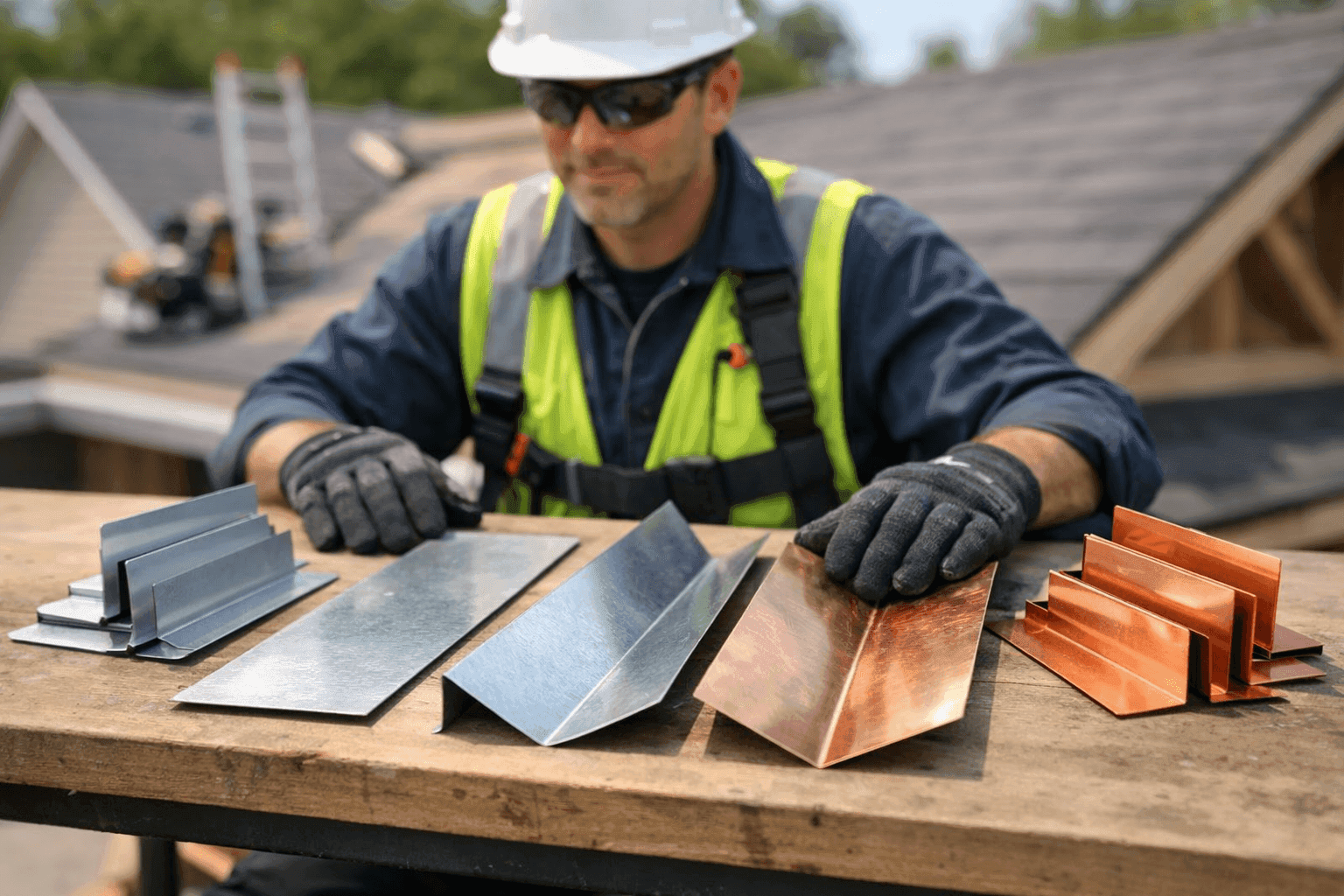
When rain pounds your roof and wind rattles the gutters, you count on your home to keep you dry. But even the strongest shingles and toughest tiles can’t do it alone. Flashing—the unsung hero of roofing—keeps water out of the places it most wants to sneak in.
A leak can start small, almost invisible. Then, like a slow trickle turning into a river, water finds its way behind walls or into ceilings. That’s why understanding roof flashing is more than just a detail. It’s the difference between peace of mind and costly repairs.
Why Roof Flashing Matters
Imagine your roof as a puzzle. Shingles, vents, chimneys, and skylights all fit together, but the seams are where water loves to test your defenses. Flashing is the metal shield tucked into these seams. It directs water away, keeping the structure below bone-dry.
Without flashing, even the best roofing system is like a raincoat with holes in the pockets—sooner or later, things get wet.
Flashing Material Comparison 🛠️
Choosing the right flashing material is a bit like picking the right lock for your front door. It’s all about durability, fit, and function.
Aluminum:
- Lightweight and easy to shape.
- Resists rust, but can corrode with salt or certain chemicals.
- Often coated or painted for extra protection.
Copper:
- Strong and built to last for decades.
- Develops a green patina over time, which actually protects it.
- More expensive, but blends beautifully with many roofing styles.
Galvanized Steel:
- Tough and budget-friendly.
- Coated with zinc to fight off rust.
- Needs to be checked for scratches or damage, as bare steel can rust quickly.
Each material has its strengths. Aluminum is like the nimble running back—quick and flexible. Copper is the seasoned quarterback—reliable and steady. Galvanized steel is the dependable lineman, holding the line without breaking the bank.
Common Shapes of Roof Flashing
Flashing isn’t one-size-fits-all. Its shape changes depending on where it’s needed.
Step Flashing:
Looks like a row of small, overlapping rectangles. Used where the roof meets a wall or chimney. Each “step” directs water away from the seam, like shingles on a miniature scale.
Continuous Flashing (Apron Flashing):
A long, single piece that runs along roof edges. It’s like a gutter for seams, guiding water away from trouble spots.
Valley Flashing:
Forms a channel where two roof slopes meet. Think of it as a riverbed, steering water safely down the roof.
Drip Edge:
Installed along the edges of the roof. Keeps water from sneaking under shingles and into the fascia.
Each shape has a job. Together, they form a defensive wall against leaks.
How Flashing Prevents Leaks
Water is persistent. It seeps, sneaks, and searches for the tiniest gaps. Flashing stands guard at those weak points—chimneys, skylights, vents, and valleys.
Properly installed flashing acts like the collar on a raincoat, guiding water down and away before it can soak through. Without it, even a tiny gap can become a big problem. The International Residential Code (IRC) sets standards for flashing installation, underscoring its importance in every roofing system.
Selection Criteria: What’s Best for Your Home?
Picking the right flashing isn’t just about material or shape. It’s about what your roof faces every day.
- Climate: Coastal homes may need corrosion-resistant copper or coated aluminum. Inland, galvanized steel could be enough.
- Roof Type: Metal roofs often pair well with copper or steel flashing. Shingle roofs typically use aluminum or galvanized steel.
- Budget: Copper lasts longest but costs more. Aluminum and galvanized steel are more affordable but may need replacement sooner.
- Aesthetics: Copper weathers to a classic green. Aluminum and steel can be painted to match your roof.
If you’re unsure, a roof flashing repair inspection can help you make the right choice for your home’s unique needs.
Quick Safety Checklist Before Any Flashing Work
- Never climb onto a wet or icy roof.
- Use a sturdy ladder and wear non-slip shoes.
- Always check for overhead power lines.
- Don’t attempt major repairs alone—one slip can mean serious injury.
- Know your limits; some jobs are best left to professionals.
DIY or Call a Pro?
Small fixes, like resealing a short stretch of flashing, might be within reach for a handy homeowner. But installing or replacing flashing around chimneys, valleys, or skylights? That’s a job for trained hands.
Improper flashing can void warranties and lead to hidden leaks. Roofing professionals follow strict codes and use specialized tools for a watertight fit. When in doubt, it’s safer—and smarter—to let the pros handle it.
What Pros Do on Arrival
When a Shindo Trust Roofing technician arrives, they don’t just glance at the roof and call it a day. Here’s what to expect:
- Careful inspection of all flashing points—chimneys, skylights, valleys, and vents.
- Checking for rust, cracks, lifted edges, and missing sealants.
- Testing for soft spots underneath, which can signal hidden water damage.
- Providing a clear explanation of any issues found, with photos if needed.
A professional approach means no guesswork and no shortcuts.
Seasonal Considerations
Spring storms and winter freezes both test your roof’s defenses. After heavy weather, check your attic for damp spots or musty smells—these could be early signs of flashing failure.
If you’re in an area with unpredictable weather, like Collierville roofing services are available for those sudden emergencies or seasonal inspections.
Signs of Trouble: When Flashing Fails
- Water stains on ceilings or walls.
- Peeling paint or bubbling plaster near the roofline.
- Mold or mildew in the attic.
- Dripping sounds during rain, even when windows are closed.
- Shingles curling or lifting near chimneys and valleys.
If you spot these, don’t wait. Early action can save thousands in repairs.
Common Mistakes to Avoid
- Using incompatible metals—mixing copper and steel can cause corrosion.
- Skipping sealant or using the wrong type.
- Cutting corners on overlaps; flashing should always extend several inches past the seam.
- Forgetting to check for proper nail placement—nails should never be exposed to water.
Costs and Time Factors
Flashing repairs can range from a quick reseal to a full replacement. Material costs vary, with copper at the top end and aluminum or galvanized steel more budget-friendly. Labor depends on roof height, slope, and accessibility.
Simple jobs may take an hour or two. More complex repairs, especially around chimneys or valleys, could take half a day or more.
Timeline & Disruption
Most flashing repairs are minimally disruptive. You might hear some hammering or see a ladder by your home, but there’s rarely a need to leave the house. For larger jobs—like replacing flashing on multiple roof features—expect a bit more noise and activity, but most work wraps up the same day.
Preventative Maintenance: Stay Ahead of Leaks
- Schedule annual roof inspections, especially after storms.
- Keep gutters and downspouts clear—clogs force water to back up under flashing.
- Trim overhanging branches to prevent debris buildup.
- Watch for loose or missing shingles near flashing points.
Regular roof repair checks can catch small issues before they become major headaches.
Flashing Installation Tips
- Always overlap flashing pieces; never butt them end-to-end.
- Use roofing nails, not generic ones, for secure attachment.
- Apply high-quality sealant at all seams and nail heads.
- Double-check that flashing is tucked under shingles, not on top.
- Follow manufacturer and IRC guidelines for your specific roof type.
When to Call an Expert
If water is already inside, or if you see daylight where you shouldn’t, it’s time for help. Major repairs, steep roofs, or hard-to-reach areas call for professional attention. Local roofing in Collierville is available if you need prompt, reliable support in your area.
FAQ: Your Roof Flashing Questions Answered
How long does flashing last?
With the right material and installation, flashing can last as long as your roof—20 years or more for aluminum or steel, up to 50 years for copper.
Can I reuse old flashing during a roof replacement?
It’s rarely recommended. Old flashing may be weakened or improperly sized for new materials.
Is flashing required by code?
Yes. Building codes like the IRC require flashing at all roof penetrations and intersections.
What if my roof is flat?
Flat roofs need special attention—flashing must be perfectly sealed, as water doesn’t run off as quickly.
The Shindo Trust Roofing Standard
At Shindo Trust Roofing, every flashing job is done with precision and care. We use the right materials, the right shapes, and the right methods—no shortcuts, no guesswork. Your roof’s defense is only as strong as its weakest seam. We make sure every seam stands strong.
Call Shindo Trust Roofing now — or reach us anytime at 888-698-1884 .