Roof Inspection Checklist: What Pros Look For
Every roof tells a story. Sometimes it’s a tale of strong seasons, sometimes it’s a warning whispered through a missing shingle or a rusty gutter. Whether you own a home or manage a busy commercial building, the health of your roof is a silent guardian—until something goes wrong.
At Shindo Trust Roofing, we know that a small leak can quickly turn into a big headache. That’s why regular roof inspections matter. Think of it as a health checkup for your property: a way to catch problems early, save money, and keep everyone safe and dry.
Why Regular Roof Inspections Matter 🏠
Roofs work hard. They shield you from rain, wind, sun, and snow. Over time, even the strongest materials wear down. Without regular checkups, hidden issues can fester—like cavities in a tooth, invisible until the pain arrives.
Routine inspections help spot trouble before it grows. According to the National Roofing Contractors Association (NRCA), roofs should be inspected at least twice a year—spring and fall are ideal. This keeps your warranty valid and your property protected. For commercial roofs, inspections may even be required by your insurance or local building code.
What Inspectors Examine
A professional roof inspection is more than a quick glance. It’s a step-by-step review, inside and out. Here’s what a certified inspector typically checks:
- Shingles or Tiles: Looking for cracks, curling, missing pieces, or granule loss.
- Flashing: Examining metal strips around chimneys, skylights, and valleys for rust, lifting, or gaps.
- Gutters & Downspouts: Checking for clogs, sagging, or leaks that can cause water to back up.
- Attic & Insulation: Inside, inspectors look for water stains, mold, and proper insulation—because roof problems often show up here first.
- Ventilation: Making sure air moves freely to prevent heat and moisture buildup.
- Sealants & Coatings: Inspecting for cracks or peeling around vents and joints.
- Decking: Checking the underlying wood for softness or rot.
- Structural Elements: Watching for sagging, uneven roof lines, or signs of shifting.
- Skylights & Chimney Flashing: Testing for leaks, cracks, and secure seals.
Common Issues Found
You’d be surprised how many problems hide in plain sight. Some of the most frequent troublemakers include:
- Loose or missing shingles after storms.
- Damaged flashing leading to leaks around chimneys or skylights.
- Clogged gutters causing water to pool and rot the fascia.
- Popped nails or fasteners working their way out.
- Moss or algae growth—nature’s way of saying your roof holds moisture.
- Sagging sections that hint at deeper structural issues.
- Water stains in the attic or on ceilings, a clear sign water is getting through.
- Cracked sealants around roof penetrations.
Catching these early means less invasive (and less expensive) repairs.
Warning Signs You Shouldn’t Ignore ⚠️
Some roof problems shout. Others whisper. Here’s what to watch for:
- Dark streaks or stains on the roof surface.
- Granules in the gutters—like sand, these signal shingle wear.
- Blistering or peeling paint along eaves or ceilings.
- Sudden increases in energy bills (poor insulation or ventilation can be the culprit).
- Visible daylight in the attic—never a good sign.
If you notice any of these, it’s time to act.
The Roof Inspection Process: What Pros Do On Arrival
When a certified inspector arrives, they bring more than a ladder. They carry a trained eye and a detailed checklist.
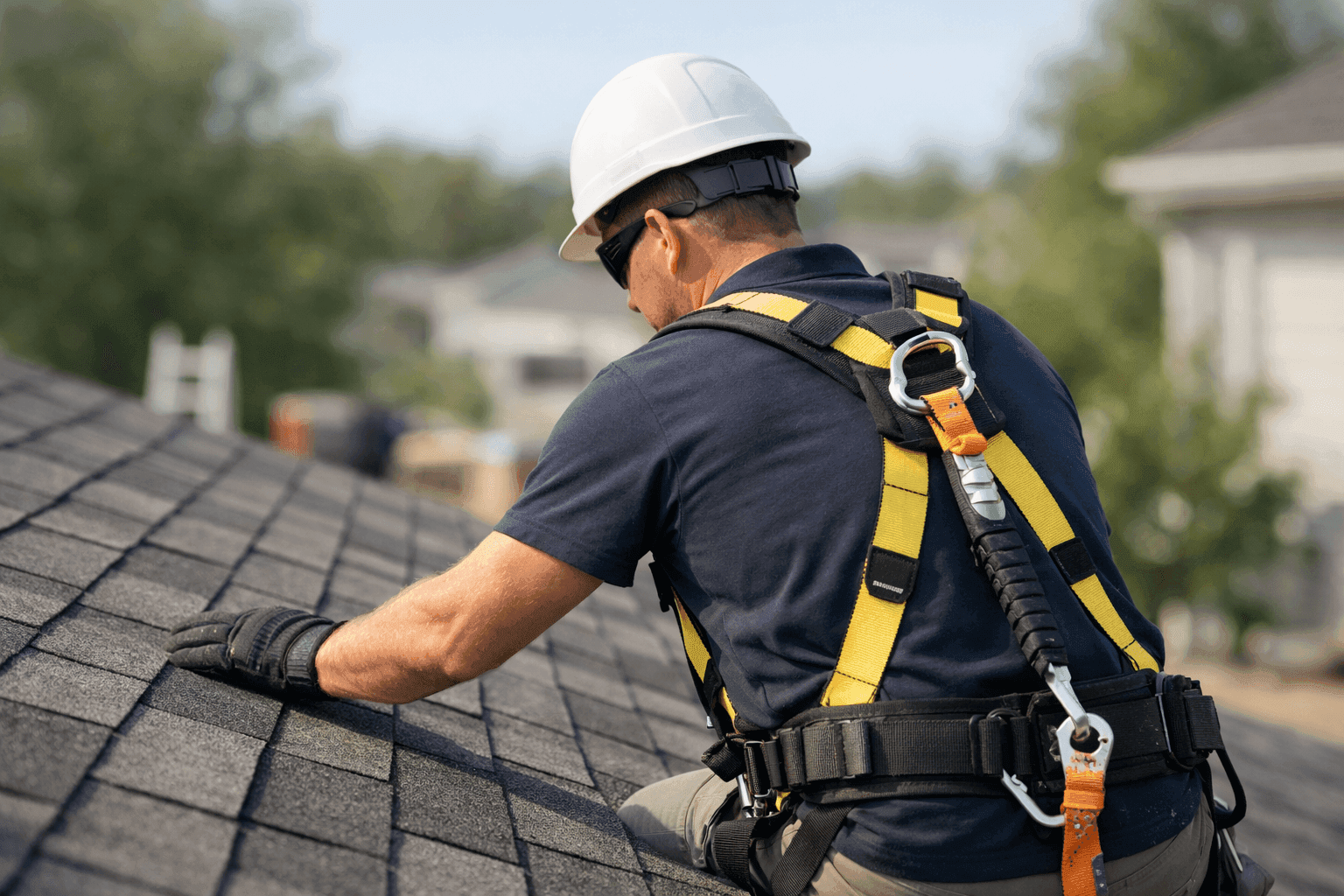
First, they’ll walk the property, looking for signs of damage from the ground. Next, they’ll carefully access the roof (always following OSHA safety guidelines) and examine every layer—shingles, flashing, sealants, and more. Inside, they’ll check the attic for leaks, mold, or insulation problems. Photos and notes are taken at every step.
Transparency matters. At Shindo Trust Roofing, we believe in open communication. You’ll get a clear report—complete with photos, explanations, and honest recommendations. No surprises, just facts.
You can learn more about our professional roof inspections and what’s included in a certified inspector’s protocol.
DIY vs. Professional Inspections
Can you spot a missing shingle yourself? Absolutely. Should you climb onto a steep roof with no training or safety gear? Probably not.
DIY checks are helpful for spotting obvious problems—like debris, missing shingles, or clogged gutters. But many issues hide beneath the surface. Professionals know where to look, what to touch, and when to dig deeper. They’re also trained to spot code violations and subtle signs of trouble that most people miss.
Bottom line: Use binoculars or a camera from the ground for a quick scan. Leave the climbing and close inspection to the pros.
Preparing Your Property for an Inspection
A little prep goes a long way. Here’s how to make the process smooth:
- Clear the driveway and walkways—inspectors will need space for ladders and tools.
- Secure pets indoors to avoid distractions or safety issues.
- Unlock attic access so the inspector can check for leaks or insulation issues.
- Trim back overhanging branches if possible, to allow a safe roof approach.
- Move vehicles away from the home or building’s perimeter.
For businesses, alert staff that work will be happening overhead. Safety first, always.
Certified Inspector Protocols Build Peace of Mind 🛡️
What separates a professional inspection from a casual glance? Training and transparency. Certified inspectors follow a documented process, often based on guidelines from the NRCA and the International Association of Certified Home Inspectors (InterNACHI).
This includes:
- Full exterior and interior walkthroughs
- Photographic documentation of issues
- Moisture meter readings (when needed)
- Written reports with clear, actionable findings
- Honest repair and maintenance recommendations
These steps give you a roadmap—so you know what’s urgent, what can wait, and what’s working just fine.
When to Schedule an Inspection
Timing matters. The best times are spring and fall, when weather is mild and before the extremes of summer or winter hit. But there are other moments when an inspection is smart:
- After major storms (wind, hail, heavy rain)
- Before buying or selling a property
- When you notice leaks or ceiling stains
- After installing solar panels or skylights
- If your roof is over 10 years old
Routine checks are the backbone of preventative maintenance and help extend your roof’s life.
Costs & Time Factors
Most residential roof inspections take 1-2 hours. Commercial properties may take longer, depending on size and complexity. Costs vary based on roof type, height, and accessibility, but the investment is always smaller than the cost of major repairs down the line.
How Long Will an Inspection Disrupt My Day?
Good news: Inspections are generally quick and minimally invasive. You don’t need to leave your home or close your business. Inspectors may need attic access, but most of the work happens outside.
Roof Inspections in Madison, Alabama & Beyond
If you’re searching for roofing services near Madison, Shindo Trust Roofing is here to help. Our team serves both residential and commercial properties, with transparent reporting and safety-first protocols.
Emergency Roof Inspections: When It Can’t Wait 🚨
Some problems can’t be put off—like sudden leaks, storm damage, or structural sagging. In these cases, call for help immediately. Emergency inspections are available, and quick action can prevent further damage to your property and belongings.
Seasonal Considerations
Winter ice, spring storms, summer sun, and autumn leaves—all bring unique challenges. Scheduling inspections before and after harsh weather keeps your roof ready for whatever comes next.
Common Mistakes to Avoid
- Ignoring minor leaks—they never stay minor for long.
- Skipping regular inspections—out of sight, out of mind is risky.
- Attempting major repairs yourself—leave structural fixes and high work to the pros.
- Neglecting gutters—clogs can lead to roof and foundation problems.
FAQ: Roof Inspection Essentials
How often should I get my roof inspected?
Twice a year is best—spring and fall. More often after big storms or if your roof is older.
Can I inspect my own roof?
You can spot obvious issues from the ground, but for a full checkup, hire a pro.
What if my roof “looks fine”?
Many problems hide beneath the surface. Regular inspections catch issues early.
Will an inspection void my warranty?
No—most warranties require regular inspections to stay valid.
Your Roof’s Health Is Our Priority
A roof inspection isn’t just another item on your to-do list—it’s a smart investment in your property’s safety and value. With the right eyes on your roof, you’ll sleep easier, rain or shine.
Call Shindo Trust Roofing now — or reach us anytime at 888-698-1884 .