Roof Insulation: Types, Benefits, and Installation Tips
When the seasons change, your roof becomes the first line of defense against sweltering heat and biting cold. A well-insulated roof keeps your space comfortable, energy bills in check, and headaches at bay. But insulation isn’t just about stuffing material into your attic—it’s about making smart choices that last.
At Shindo Trust Roofing, we know how the right insulation transforms both homes and businesses. Whether you’re managing a busy office or a cozy family home, understanding your options can make all the difference.
Insulation Types: What’s Over Your Head? 🧱
Choosing insulation is like picking the perfect blanket: you want warmth, breathability, and durability. Here are the most common types for residential and commercial roofing:
Batt Insulation
- Material: Usually fiberglass or mineral wool.
- Best for: Attics with standard joist spacing and few obstructions.
- Strengths: Easy to install, cost-effective, fire-resistant.
- Watch out: Gaps and compression can reduce effectiveness.
Spray Foam Insulation
- Material: Polyurethane foam, sprayed in place.
- Best for: Hard-to-reach areas, irregular shapes, sealing air leaks.
- Strengths: Superior air sealing, high R-value per inch, moisture barrier.
- Watch out: Professional installation is a must; improper application can lead to trapped moisture.
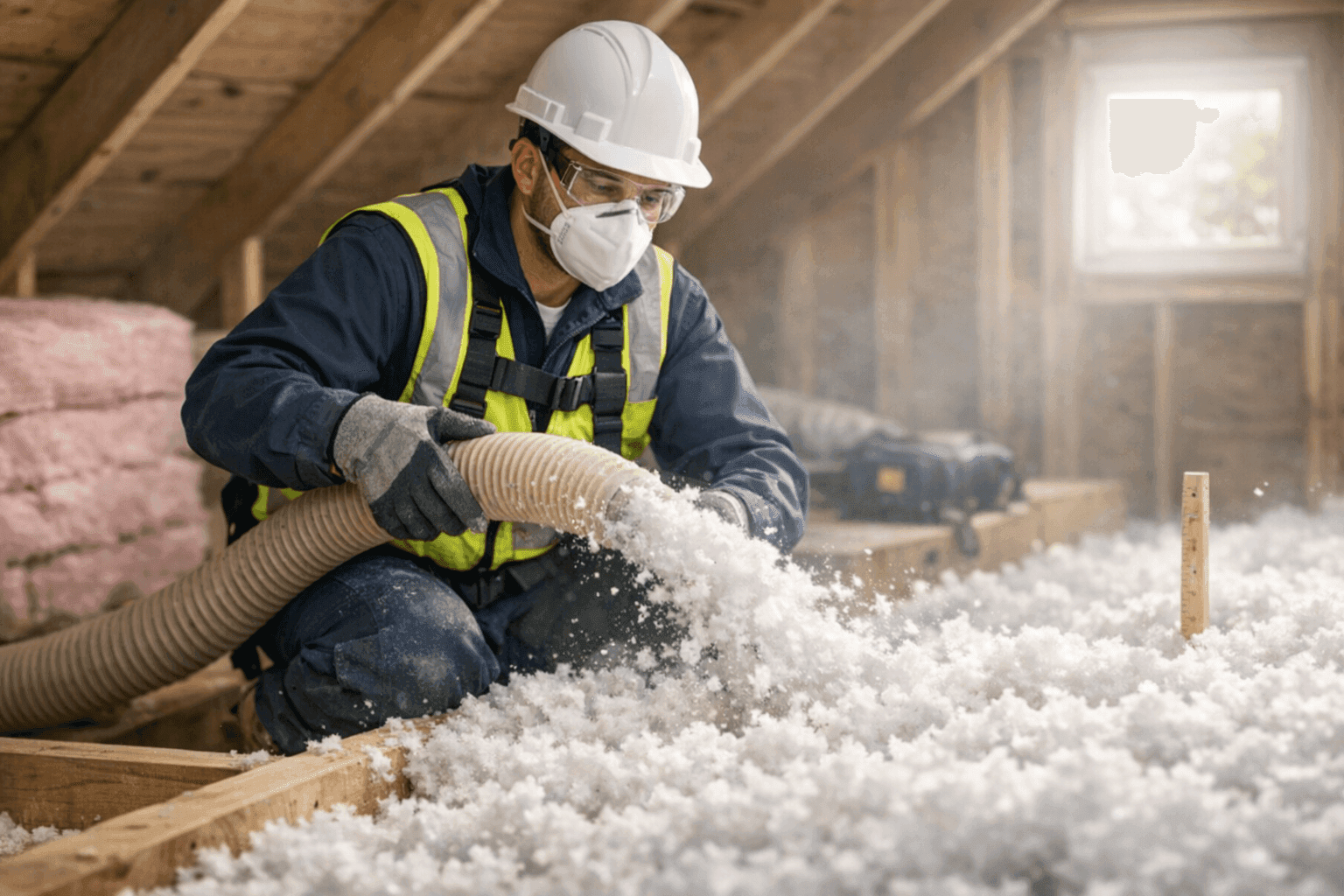
Blown-In Insulation
- Material: Loose-fill fiberglass, cellulose, or mineral wool.
- Best for: Attics with lots of obstructions or existing insulation.
- Strengths: Fills gaps and voids, quick to install, good for retrofits.
- Watch out: Settling over time can reduce performance.
Every roof is different. The right insulation depends on your structure, climate, and goals.
Benefits for Owners: More Than Just Warmth
Insulation is the unsung hero of comfort and cost savings. Here’s what it can do for you:
- Lower Energy Bills: According to the U.S. Department of Energy, proper insulation can cut heating and cooling costs by up to 20%.
- Consistent Comfort: Keeps indoor temperatures steady—no more chilly drafts or stuffy corners.
- Sound Barrier: Dulls outside noise, making your space quieter.
- Moisture Control: Reduces condensation, which helps prevent mold and rot.
- Roof Longevity: Less stress on your roof structure from temperature swings.
Good insulation is like a shield—protecting your investment from the elements and the unexpected.
The Installation Process: Step-by-Step
Insulation isn’t just a weekend project. A careful process ensures you get every benefit possible:
- Inspection: Evaluate current insulation, check for leaks, gaps, and damage.
- Air Sealing: Plug up cracks and holes—think of it as zipping up a jacket before heading out in winter.
- Choosing the Material: Select the best type and R-value for your needs.
- Installation: Place or spray insulation with attention to coverage and code requirements.
- Final Check: Inspect for gaps, compression, or missed areas. Verify ventilation is clear.
If you’re curious about the details, our ventilation and insulation services page breaks down the options and process.
Quick Safety Checklist
Before anyone climbs into your attic, safety comes first:
- Protective Gear: Gloves, goggles, and a mask are non-negotiable.
- Electrical Hazards: Watch for exposed wiring or fixtures.
- Ventilation: Never block vents—fresh air keeps your roof healthy.
- Structural Stability: Only walk on joists or boards to avoid falls.
Following OSHA guidelines and local building codes is essential for every step.
Professional vs. DIY: Where the Line Is Drawn 🛠️
DIY can be tempting, especially for batt or blown-in insulation. But there’s a reason many property owners call in the pros:
- Code Compliance: Professionals ensure your insulation meets or exceeds local codes (like IRC and IBC standards).
- Full Coverage: Pros know how to avoid common pitfalls—gaps, compressed batts, or blocked vents.
- Material Expertise: Choosing the right R-value and type isn’t always straightforward.
- Warranty & Liability: Workmanship is covered, and mistakes are minimized.
Spray foam, in particular, is best left to the experts. Proper mixing, application, and curing can be tricky.
Common Mistakes to Avoid
- Ignoring Air Leaks: Insulation without air sealing is like a winter coat with holes.
- Blocking Ventilation: Good airflow prevents moisture buildup and roof damage.
- Choosing the Wrong R-Value: Too little insulation means lost energy; too much can cause condensation.
- Overlooking Moisture Issues: Wet insulation is useless insulation.
Signs Your Insulation Needs Attention
- High energy bills that don’t match your neighbors.
- Cold spots or uneven temperatures inside.
- Ice dams or icicles along the roofline in winter.
- Indoor drafts, even when windows are closed.
- Visible gaps or settling in attic insulation.
If you notice these, it may be time to upgrade or repair your insulation.
Timeline & Disruption: What to Expect
Most insulation jobs take a day or two. Expect:
- Some noise and movement in attic or ceiling areas.
- Temporary relocation of stored items.
- Minor dust or debris (especially with blown-in insulation).
Professional crews work efficiently to minimize disruption and clean up thoroughly.
When It’s an Emergency
A sudden leak, storm damage, or burst pipe can soak insulation fast. Wet insulation loses its power and can harbor mold. Quick action is key—remove wet material, dry the area, and replace with fresh insulation as soon as possible.
Local support is available for urgent needs, and those seeking Manchester roofing services can find prompt help when weather or damage strikes.
Costs & Value: The Long Game
Insulation is an upfront investment with lasting payback. Factors that affect cost:
- Type of insulation (spray foam is pricier than batts).
- Square footage and accessibility.
- Prep work (removing old insulation, air sealing).
- Local labor rates.
Energy savings, comfort, and fewer repairs add up over the years. The U.S. Department of Energy provides calculators to estimate long-term value.
Prevention & Maintenance
Insulation isn’t “set it and forget it.” Schedule regular attic checks, especially after storms or renovations. Look for:
- Settling or compressed areas.
- Signs of water intrusion.
- Mold or mildew.
- Blocked vents.
Pairing insulation with preventative maintenance keeps your roof system strong for years to come.
Seasonal Considerations 🌦️
Extreme temperatures—hot summers or freezing winters—can stress your insulation. Check before the season changes, and top up if needed. In humid climates, vapor barriers may be necessary to prevent moisture buildup.
Materials & Equipment: What Pros Bring
- High-quality insulation (fiberglass, cellulose, foam).
- Blowers or sprayers for even coverage.
- Air sealing tools and thermal cameras for detecting leaks.
- Safety gear and ventilation equipment.
Professionals also stay current with best practices, like those from the Building Performance Institute and ENERGY STAR guidelines.
FAQ: What Owners Ask Most
How often should insulation be replaced?
Most insulation lasts 15–30 years, but damage or settling can shorten its life.
Can I mix different types of insulation?
Yes, but compatibility and moisture control are key. Consult an expert.
Will insulation stop all roof leaks?
No—insulation helps with temperature and moisture, but leaks need separate roof repair.
Is there an eco-friendly option?
Absolutely. Cellulose (recycled paper) and some mineral wools are sustainable choices.
How Professional Installation Delivers Full Benefits
A professional touch ensures:
- Every inch is covered, with no gaps.
- Materials meet code and manufacturer specs.
- Ventilation and moisture management are balanced.
- The system performs at its highest efficiency.
This means lower bills, better comfort, and peace of mind—year after year.
Ready for a More Efficient Roof?
Roof insulation is a smart investment in comfort, savings, and peace of mind. If you’re unsure where to start, or want the job done right, Shindo Trust Roofing is here to help.
Call Shindo Trust Roofing now — or reach us anytime at 888-698-1884 .