Roof Leak Repair: Step-by-Step Professional Process
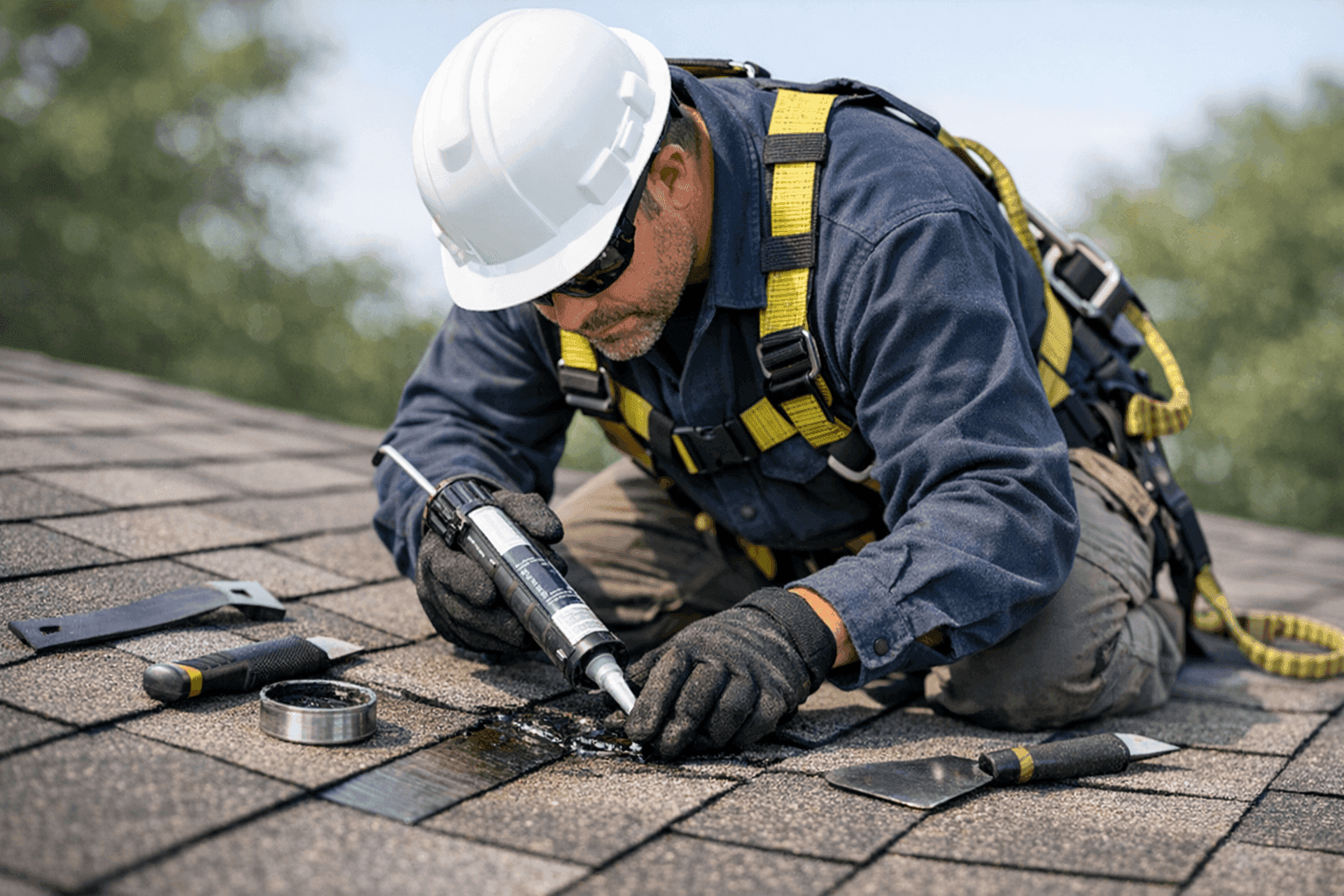
A roof leak can turn a peaceful day into a scramble for buckets and towels. Drips and stains above your head are more than a nuisance—they’re urgent warnings your home or business needs attention.
At Shindo Trust Roofing, we know every leak has a story. Some are just a trickle; others, a full-on river. No matter the scale, our team brings years of hands-on experience, using certified repair standards to make things right, right from the start.
Leak Detection: The Hunt Begins 🕵️
A leak often hides like a fox in the brush. The water you see inside might have traveled several feet from the actual hole. That’s why our first step is a thorough inspection—inside and out.
- Visual clues: Stains, peeling paint, bulging drywall, musty odors.
- Attic check: Damp insulation, water trails, mold, sunlight peeking through.
- Roof surface: Missing shingles, cracked tiles, damaged flashing, clogged gutters.
We trace the leak’s path, much like following a winding stream back to its spring. Our trained eyes spot even subtle hints others might miss.
Pro tip: If you see signs of a leak, don’t wait for the next rainfall. Early detection means smaller repairs and less structural damage.
Quick Safety Checklist
Before any work starts, safety comes first. Here’s what we always consider:
- Steady ladders and secure footing.
- Protective gear: gloves, harness, eye protection.
- Power lines and slippery surfaces.
- Weather conditions—never work on wet or icy roofs.
We always adhere to OSHA safety guidelines and local building codes, minimizing risks for everyone on site.
Signs of Trouble: How to Tell if You Have a Leak
Sometimes, leaks are obvious—a puddle forms after a storm. Other times, they’re sneaky.
- Dripping sounds in walls or ceilings.
- Moldy smells that don’t go away.
- New brown stains or paint bubbles.
- Curling or missing shingles.
- Water marks around skylights, chimneys, or vents.
If you spot any of these, it’s time for an inspection. Don’t play the waiting game—water wins every time it’s ignored.
What Pros Do On Arrival
When Shindo Trust Roofing arrives, we bring more than just tools. We bring a roadmap—a process that’s honed and reliable.
- Interview: We ask about recent storms, past leaks, visible symptoms.
- Interior scan: Ceilings, attics, and walls get a close look.
- Roof walk: We check every surface, from shingle roofing to flashing and gutters.
- Photographic evidence: Before-and-after photos keep a clear record.
This process ensures we don’t just fix symptoms—we fix the source.
Repair Materials: Selecting the Right Tools for the Job 🧰
No two leaks are the same. The right fix depends on your roof’s material and the leak’s location.
- Shingle roofing: Replacement shingles, underlayment, roofing nails.
- Metal roofing: Sealants, fasteners, metal patches.
- Tile roofing: Replacement tiles, mortar, flashing.
- Flat roofs: Membrane patches, liquid sealants, reinforcing mesh.
- Gutters & downspouts: Replacement sections, sealant, brackets.
We only use materials that meet or exceed manufacturer and code requirements. Quality matters—shortcuts today lead to headaches tomorrow.
Step-by-Step Roof Leak Repair Process
Let’s break down the repair process into clear steps:
1. Pinpoint the Leak
With all clues gathered, we zero in on the entry point. Sometimes it’s a small puncture; sometimes a failed seal around a vent or skylight.
2. Prep the Area
Cleanliness is critical. We remove debris, clear away damaged materials, and dry out the surface. A clean work area means adhesives and patches bond better and last longer.
3. Material Selection
Based on your roof type and the nature of the leak, we gather what we need—replacement shingles, flashing, or specialty sealants. For shingle roofing near you, matching style and color is key for seamless repairs.
4. Repair Execution
- Shingles: Remove damaged pieces, install new underlayment if needed, nail and seal replacement shingles.
- Flashing: Replace or reseal metal flashings around chimneys, vents, or skylights.
- Flat roof: Apply patch systems or liquid coatings, feathering edges to prevent water intrusion.
- Gutters: Reseal seams, replace damaged sections, or realign downspouts.
We work with precision, ensuring every fastener, patch, or bead of sealant is exactly where it needs to be.
5. Cleanup
Once the repair is complete, we clear away old materials and sweep the work area. No stray nails left behind—just a clean, safe space.
Quality Check: How We Ensure Lasting Results ✔️
A repair is only as good as its inspection. Before we pack up, every job gets a thorough quality check:
- Water test: We simulate rain to ensure the patch holds.
- Interior scan: Confirm no new leaks appear.
- Photographs: Before-and-after images document the repair.
- Customer walkthrough: We explain what was done, so you know exactly where the problem started—and how it was fixed.
By following manufacturer instructions and International Building Code standards, we restore not just your roof, but your peace of mind.
Why Professional Repairs Prevent Repeat Issues
DIY fixes can be tempting, but temporary solutions often lead to bigger problems. Professionals use:
- Certified repair standards.
- The right materials for your specific roof type.
- Thorough inspections to catch hidden issues.
- Experience to spot potential future leaks.
We’ve seen quick patches fail after the next storm, leaving owners frustrated. Our approach is about fixing the cause, not just the symptom. That’s how we help your roof stand up to whatever comes next.
DIY vs. Call a Pro
Some small leaks or gutter clogs seem like an easy fix. But working at height and identifying true leak sources takes skill and safety training.
When to call for help:
- The leak keeps coming back.
- Water damage spreads or worsens.
- You see signs of structural weakness (sagging, rot, mold).
- You’re not comfortable with ladders or roof work.
For persistent issues, our leak repair process addresses both the visible leak and any underlying weaknesses, so you’re not chasing drips with a mop every rainy season.
Prevention & Maintenance: Keeping Leaks at Bay
The best leak is the one that never happens. Regular maintenance makes a world of difference:
- Annual roof inspections.
- Cleaning gutters and downspouts.
- Checking for cracked or missing shingles after storms.
- Promptly repairing minor damage.
These steps help identify trouble before it escalates, saving you from bigger repairs down the line.
Roof Repairs: More Than Just Leaks
Sometimes, the damage runs deeper—decking needs replacement, insulation is soaked, or flashing is corroded. That’s where broader roof repair services come in, addressing bigger issues and restoring your roof’s full integrity.
Common Mistakes to Avoid
- Ignoring minor leaks—they nearly always get worse.
- Using the wrong patch or sealant for your roof type.
- Skipping safety gear.
- Missing hidden water damage inside your attic or walls.
- Delaying professional help until mold or rot has set in.
Emergency Roof Leak Situations: What to Do
Some leaks can’t wait. If water is pouring in or you notice structural risks, act fast:
- Move valuables and electronics out of harm’s way.
- Place buckets or tarps to catch water.
- Avoid walking on a wet or sagging roof.
- Call a professional immediately.
If you’re in the area and need urgent help, our team is available for Lafayette emergency roofing needs around the clock.
Timeline & Disruption: What to Expect
Most leak repairs take a few hours, but severe damage may require more time. Our team works efficiently, minimizing disruption to your daily routine. We’ll keep you informed every step of the way.
Seasonal Considerations: Weather Matters
Leaks often show up after heavy rain, melting snow, or windstorms. Seasonal maintenance—especially before winter or hurricane season—can prevent surprises. Schedule inspections during mild weather for the most thorough results.
Costs & Time Factors
Repair costs depend on:
- Roof type and materials.
- Extent of damage.
- Accessibility (steep roofs, multi-story homes).
- Additional repairs (decking, insulation, flashing).
We provide clear, upfront estimates before any work begins. No hidden surprises.
Frequently Asked Questions
How do I know the leak is fixed for good? A thorough repair includes sealing the entry point, verifying with a water test, and checking inside for signs of moisture.
Does insurance cover roof leaks? Coverage varies—check your policy details. Damage from neglect is often excluded, but storm or sudden damage may be eligible.
Can a leak be fixed in bad weather? Temporary patches are possible, but permanent repairs should wait for dry, safe conditions.
A leak shouldn’t keep you up at night. Shindo Trust Roofing brings years of experience, proven materials, and a process that gets it right the first time. Whether it’s a small repair or a bigger project, we’re here to help.
Call Shindo Trust Roofing now — or reach us anytime at 888-698-1884 .