Roof Replacement vs. Repair: How to Decide
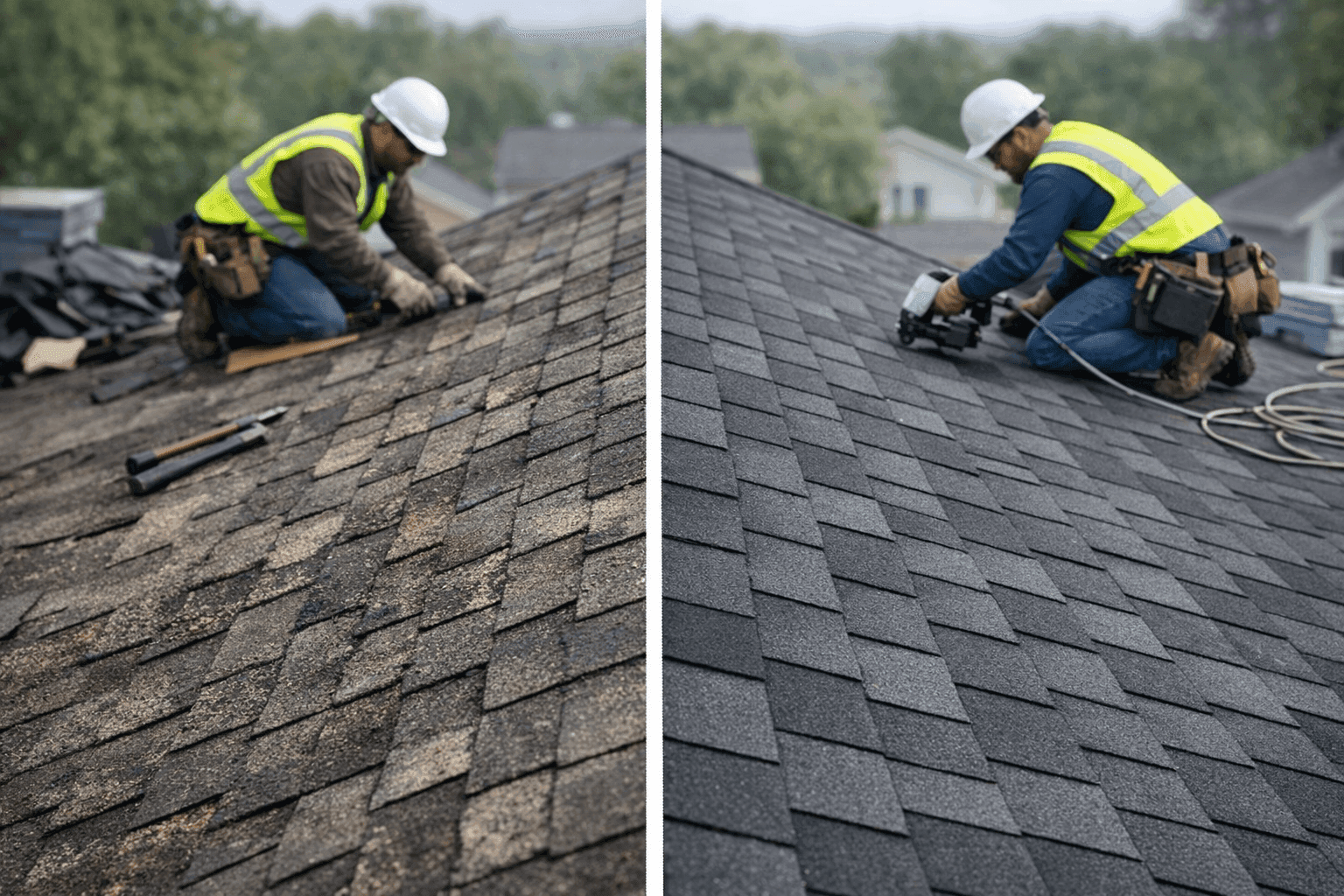
Every roof tells a story. Some are tales of stormy nights, others of long, sunbaked summers. When trouble starts—leaks, missing shingles, or stains on the ceiling—it’s hard not to worry. Is this just a patch job, or is it time for a whole new roof?
At Shindo Trust Roofing, we know that choosing between roof repair and replacement can feel like standing at a fork in the road. The stakes are high: your home, your business, your peace of mind. Let’s break down the signs, costs, and real-world factors so you can make the right call.
Signs Repair Is Enough 🛠️
Sometimes, a roof just needs a little TLC. Here are telltale signs that a repair might be all you need:
- Localized damage: A few cracked or missing shingles, small leaks around vents, or minor flashing issues.
- Recent roof: If your roof is less than 10 years old and has been otherwise healthy, repairs can often extend its life.
- No widespread sagging or rot: The structure underneath is still solid.
- Damage after a storm: Fallen branches or wind may cause isolated problems. Quick repairs can prevent bigger headaches.
Think of your roof like a favorite jacket. A small tear can be stitched up, but if the fabric is worn thin all over, patching won’t help for long. Roof repair options are best when the issues are contained and the rest of the roof is doing its job.
When to Consider Replacement
Sometimes, patching isn’t enough. Here’s when you should start thinking about a full replacement:
- Age: Most shingle roofs last 15–25 years. Metal or tile can go longer, but if your roof is nearing its expected lifespan, replacement is often smarter.
- Widespread wear: Curling, brittle, or missing shingles across large areas signal the end is near.
- Chronic leaks: If water keeps creeping in, even after repairs, the underlying structure may be compromised.
- Structural issues: Sagging, rot, or mold in the attic point to deeper problems.
- Multiple repairs: If you’ve patched the same spot more than once, it’s like bailing water from a sinking boat.
Choosing roof replacement services isn’t just about fixing what’s broken—it's about investing in your property’s future and safety.
Cost Comparison: Repair vs. Replacement
The price tag matters. Here’s what to expect:
Roof Repairs:
- Generally less expensive upfront.
- Costs vary by material, damage size, and accessibility.
- Small repairs can range from a few hundred to a couple thousand dollars.
Roof Replacement:
- Higher initial cost, but may save money over time.
- Includes removal of old material, new underlayment, and installation.
- Prices depend on size, materials (shingle, metal, tile), and complexity.
- May qualify for insurance assistance if storm damage is involved.
Key Tip: Don’t forget hidden costs—like repeated repairs, higher energy bills from poor insulation, or water damage to your home’s interior.
Impact on Property Value 🏡
A sturdy, modern roof does more than keep out the rain—it boosts curb appeal and resale value. According to the National Association of Realtors, new roofing is among the top home improvements for return on investment.
- Repairs can keep your property market-ready, especially if you plan to sell soon.
- Replacement often pays off in higher offers and faster sales. Buyers love knowing they won’t face big roof bills right after moving in.
For businesses, a strong roof protects assets and helps avoid costly downtime. Commercial properties with up-to-date roofing attract better tenants and command higher rents.
How Professionals Assess Your Roof’s Future
When you call in a roofing specialist, here’s what happens:
- Visual Inspection: Checking shingles, flashing, gutters, and vents for obvious issues.
- Attic Check: Looking for signs of leaks, mold, or structural weakness.
- Infrared Scanning: Sometimes used to spot hidden moisture.
- Material Testing: Assessing the age and integrity of shingles or tiles.
- Code Compliance: Ensuring repairs or replacements meet current building and safety standards (see International Building Code for reference).
A thorough inspection helps you avoid surprises—and gives you a roadmap for what comes next.
Key Decision Factors: Age, Damage, and Budget
Every roof is unique, but three factors guide the decision:
- Age: If your roof is young, repairs make sense. If it’s old, replacement may be safer and more economical.
- Extent of Damage: Is the problem small and contained, or does it affect large areas?
- Budget: Repairs cost less now, but frequent fixes add up. Replacement is a bigger investment, but it can save money over time.
Ask yourself: Are you patching a pothole, or is it time to repave the whole road?
Pros and Cons of Each Option
Repair Pros:
- Lower upfront cost
- Less disruption
- Quick turnaround
Repair Cons:
- May not solve underlying issues
- Repeated repairs can add up
- Doesn’t extend roof lifespan as much
Replacement Pros:
- Long-term solution
- Improved energy efficiency
- Boosts property value
Replacement Cons:
- Higher initial cost
- More time and disruption
- Requires careful planning
Case Studies: Real-World Scenarios
Scenario 1: The Leaky Office A commercial building in need of fast action after a storm. The inspection revealed only a few damaged panels. Targeted repairs sealed the leak, and business continued as usual.
Scenario 2: The Aging Family Home A 22-year-old shingle roof with missing granules and curled edges. The homeowner had patched leaks twice already. After a full replacement, energy bills dropped and the house sold above asking price.
Scenario 3: The New Homeowner’s Surprise A young couple moved in and noticed water stains after heavy rain. The roof was only eight years old, but poor attic ventilation had caused moisture buildup. A combination of ventilation upgrades and minor repairs solved the issue without a costly replacement.
Quick Safety Checklist
Before climbing onto your roof, consider:
- Is the roof wet or icy? Wait for dry, calm weather.
- Do you have the right safety gear (harness, non-slip shoes)?
- Are you comfortable working at heights?
- If in doubt, call a pro. Falls are a leading cause of injury in home repairs—safety comes first.
DIY vs. Call a Pro
Handy with tools? Some minor repairs—like replacing a few shingles or clearing gutters—are within reach. But for leaks, structural damage, or anything involving skylights, insulation, or flashing, professional help is your safest bet.
Remember, even small mistakes can lead to big headaches down the road. If you’re unsure, it’s worth consulting a roofing company.
Timeline & Disruption: What to Expect
- Repairs: Usually completed in a day or less. Minimal disruption.
- Replacement: Can take several days, depending on size and weather. Expect some noise and debris, but pros will keep the site tidy.
Plan ahead for pets, kids, and business operations. Good communication with your contractor makes the process smoother.
Seasonal Considerations 🌦️
Roofing work is best done in dry, mild weather. Spring and fall are prime seasons, but emergencies can happen anytime. If you’re in need of Vineyard roofing services, local teams can respond quickly to seasonal storms or urgent repairs.
Common Mistakes to Avoid
- Ignoring small leaks—water travels and causes hidden damage.
- Choosing the cheapest fix without considering long-term costs.
- Skipping regular inspections—catching problems early saves money.
Prevention & Maintenance
A little care goes a long way:
- Schedule annual inspections.
- Clean gutters and downspouts regularly.
- Trim back overhanging trees.
- Watch for signs of wear after storms.
Routine maintenance extends your roof’s life and helps you avoid costly surprises.
Frequently Asked Questions
How do I know if I need a new roof or just repairs? Start with a professional inspection. Age, extent of damage, and repair history all matter.
Does insurance cover roof repairs or replacement? It depends on your policy and the cause of damage. Storms and sudden events are usually covered; wear and tear are not.
Can I stay in my home during roof work? Usually, yes. Roof replacement is noisy but safe for occupants. Commercial spaces may need to plan for short-term disruption.
When to Call an Expert
If you’re unsure, don’t gamble with your property. Professional roofers have the training and equipment to spot issues you might miss. They’ll also ensure your project meets safety and building codes.
Call Shindo Trust Roofing now — or reach us anytime at 888-698-1884 .