Roof Sealants and Coatings: Do They Really Work?
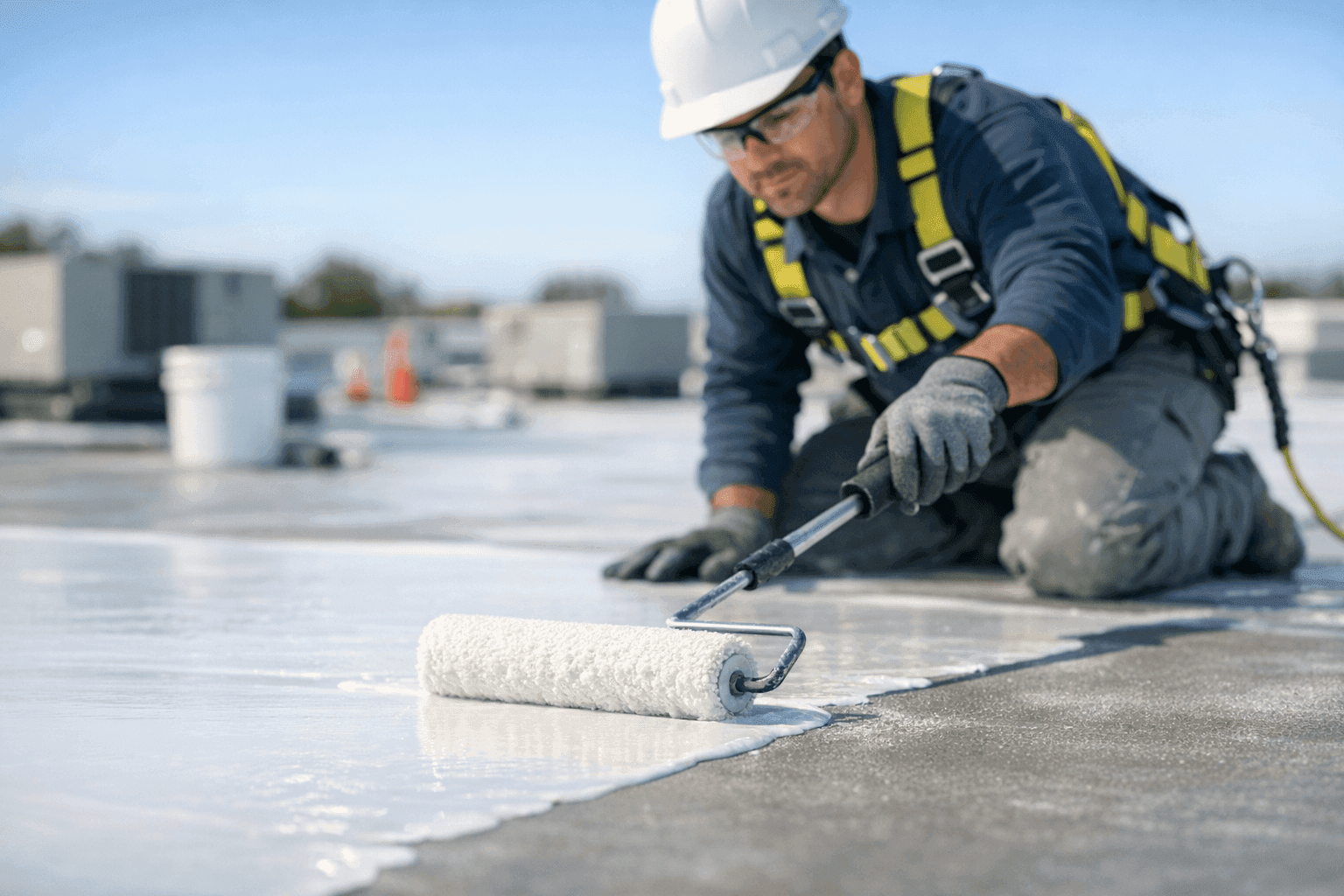
Does your roof look tired or show small leaks after a wild storm? Maybe you’ve heard about roof sealants and coatings, those “raincoat” layers for your shingles or flat roof. The question is, do they actually work—or are you just painting over a bigger problem? At Shindo Trust Roofing, we know the right product and timing make all the difference.
Homeowners and business owners alike can feel overwhelmed by the choices. Let’s break down what these products are, how they’re used, and whether they’re the right fix for your roofing headaches.
What Are Roof Sealants and Coatings?
Think of a roof sealant or coating like sunscreen for your roof. It's a protective layer—liquid when applied, then curing into a flexible shield. It helps keep water, sunlight, and temperature swings from damaging the surface beneath, whether that’s shingles, metal, or a flat roof.
Roof coatings and sealants are used in both repair and maintenance. Some are rolled or sprayed on in a single coat. Others require careful layering or special prep. They’re not a one-size-fits-all solution, but for the right roof in the right condition, they can stretch out the life of your investment.
Sealant Types: Acrylic, Silicone, and Elastomeric 🛡️
Not every roof coating is created equal. Here’s a quick tour:
- Acrylic coatings: Water-based, easy to apply, and affordable. They’re a popular pick for sloped roofs or moderate climates, but can wear out faster in constant ponding water.
- Silicone coatings: Moisture-cure, extremely resistant to standing water and UV rays. Great for flat roofs and places with heavy rain, but they can be slippery and tricky to re-coat later.
- Elastomeric coatings: Rubber-like, stretching with the expansion and contraction of your roof. These can handle minor cracks and movement, making them a solid choice for older or shifting buildings.
Each type is designed for specific surfaces—shingles, metal, modified bitumen, even aging single-ply flat roofs. Always check manufacturer guidelines or consult a roofing pro to match product to material.
Key Benefits: What Sealants and Coatings Do Best
Roof coatings aren’t magic, but they have real strengths:
- Waterproofing: A good sealant can plug up small leaks and keep water out of seams, flashing, and nail holes.
- UV protection: Coatings reflect sunlight, slowing the “bake and crack” process that ages shingles and membranes.
- Energy savings: Reflective coatings lower roof temps, which can help with cooling costs in summer.
- Life extension: When applied at the right time, coatings can add years—sometimes decades—to a roof’s life.
- Minimal disruption: Application is usually fast and less noisy or messy than a full tear-off.
Limitations: When Sealants Aren’t Enough
Here’s the catch: coatings aren’t a cure-all. Like putting a bandage on a broken bone, sometimes a coating just hides deeper trouble.
- Not for structural damage: If decking is rotted or major leaks are present, coating won’t help.
- Poor surface prep equals poor results: Dirt, moss, or existing leaks must be addressed first.
- Limited on steep slopes: Some coatings run or don’t bond well on pitched roofs.
- Temporary fix: In some cases, coatings buy time but don’t solve underlying issues.
If your roof is at the end of its life or severely damaged, a full roof replacement is usually the safer bet.
The Application Process: Step-By-Step
Applying a roof coating isn’t just “slap and go.” Here’s how professionals do it:
- Inspection: The roof is checked for damage, ponding, and contaminants.
- Surface prep: Cleaning is critical. Moss, leaves, and dirt must be removed. Small repairs (nail pops, cracked flashing) are made first.
- Priming (if needed): Some surfaces need a primer for bonding.
- Application: Coating is rolled, brushed, or sprayed on to manufacturer specs—usually in cool, dry weather.
- Curing: The roof must stay undisturbed until the coating sets—anywhere from a few hours to a couple of days.
Skipping a step can mean failure. Always review product safety data and local building codes before starting.
When Should You Use Roof Coatings?
Coatings shine in certain situations:
- Flat roofs: Where water can pool, a silicone or elastomeric coating is a lifesaver.
- Mild leaks or minor aging: Early intervention prevents bigger headaches.
- Reflective upgrades: Want a “cool roof”? Coatings can help lower surface temperatures.
- Budget constraints: When a full replacement isn’t possible, coatings can offer a temporary extension.
If you’re unsure whether your roof qualifies, a professional inspection is wise.
Real-World Performance: How Long Do They Last?
So, will your roof coating last forever? Not quite. Most quality products last 5–20 years, depending on type, thickness, and weather conditions.
- Acrylic: 5–10 years, best for mild climates.
- Silicone: 10–20 years, especially on flat or low-slope roofs.
- Elastomeric: 10+ years, with proper maintenance.
Performance depends on weather, prep, and following manufacturer rules. For commercial buildings with large flat roofs, coatings can be a game-changer, but regular inspections are still needed.
Warranties and Manufacturer Guidelines
Most roof coatings come with warranties ranging from 5 to 20 years—but only if installed exactly as directed. That means:
- Proper cleaning and prep
- Correct thickness and application (no shortcuts)
- Compatible surfaces (not all coatings stick to every material)
Some warranties require professional installation, with documentation and periodic inspections. Be sure to keep your paperwork and schedule annual checkups.
When Full Roof Replacement Is Better
No coating can fix a roof that’s falling apart. If you see:
- Widespread leaks
- Sagging or soft spots
- Major storm or hail damage
- Visible mold, rot, or structural issues
…it’s time for a new roof, not a coating. In these cases, sealants might just delay the inevitable—and waste your money in the process.
Safety First: Quick Checklist Before You Start
- Check forecast: No rain for 24–48 hours.
- Wear slip-resistant shoes and gloves.
- Use a sturdy ladder and fall protection.
- Read product safety labels.
- Never coat over wet or frozen surfaces.
OSHA and NRCA (National Roofing Contractors Association) both have useful safety tips for roof work. When in doubt, call a pro.
DIY or Call a Pro?
Small patch jobs or gutter sealing can be a weekend project for a handy homeowner. But large areas—especially flat roofs or commercial buildings—are best left to professionals. A minor mistake can mean peeling, bubbles, or leaks soon after.
Professional crews have the tools to spot hidden damage, prep surfaces properly, and apply the product at just the right thickness. If you want the job to last, an experienced team is a smart investment.
Common Mistakes to Avoid
- Skipping cleaning—dirt and moss will keep coatings from sticking.
- Ignoring small repairs, like cracked flashing or loose nails.
- Applying too thin or too thick—both can cause premature failure.
- Coating over serious leaks or structural issues.
If you're considering a sealant for your home or business, the process is detailed at our sealants and coatings service page.
Preventive Maintenance: Keeping That Coating Strong
Once your roof is coated:
- Inspect the roof yearly for cracks, bubbles, or wear.
- Clear gutters and downspouts regularly.
- Address new leaks or damage right away.
- Recoat as needed, based on the product lifespan.
A little attention now can save you big money and headaches later.
What the Pros Check on Arrival
When our team steps onto a roof, we look beyond the obvious. We check for:
- Previous coating failures (peeling, cracks)
- Drainage issues (standing water)
- Signs of trapped moisture under the surface
- Weak seams, flashing, or membrane splits
These checks ensure the coating will bond and perform as it should.
Costs, Time, and Disruption
A roof coating job takes less time than a full replacement—usually a day or two for prep and application, plus curing time. Costs vary based on roof size, prep needs, and product choice, but coatings are generally less expensive up front.
Expect some noise and activity, but far less mess and disruption than a tear-off.
When It’s an Emergency: Local Support Matters
Storm just ripped through and left you with leaks? Quick action can prevent further damage. Sometimes, a targeted sealant job is enough to stop the bleeding until a permanent repair is scheduled. For urgent response, our teams are available in multiple locations, including those seeking help in the Burlington area.
Seasonal Considerations
Spring and fall are prime times for coatings—mild weather means better curing. Summer heat can speed up drying (sometimes too fast), while winter cold and moisture slow things down. Always follow product recommendations for temperature and humidity.
FAQs: Fast Answers
Q: Will a roof coating work on old shingles?
A: Sometimes, but only if the shingles are still solid. Brittle, curling, or missing shingles mean it’s time for repair or replacement, not just a coating.
Q: Can I walk on my roof after coating?
A: Wait until the product has fully cured, as specified by the manufacturer—usually 24–48 hours.
Q: Do coatings stop all leaks?
A: Small, surface-level leaks can be sealed. Major leaks or structural issues need real repairs.
Final Thoughts: Making the Right Choice
A roof sealant can be a smart, cost-effective solution when your roof is in decent shape and you want to add years to its life. But it’s not a miracle fix for every problem. The key is honest assessment, solid prep, and using the right material for the job.
If you’re unsure what your roof needs, talk to a professional who follows manufacturer rules and industry standards. The right advice now can save you from a bigger bill—and a bigger headache—down the road.
Call Shindo Trust Roofing now — or reach us anytime at 888-698-1884 .