Roof Sealants & Coatings: Extend Roof Life and Prevent Leaks
Is your roof showing its age? Maybe you’ve noticed a leak after a storm, or your energy bills keep creeping up. Roofs work hard, but even the toughest ones need a little help to stay strong. That’s where sealants and coatings come in—a simple, powerful way to protect your investment and avoid expensive repairs down the road.
At Shindo Trust Roofing, we’ve seen it all: cracked shingles, rusty metal seams, and sunbaked flat roofs. We know that a good sealant or coating can be the difference between a quick fix and a costly overhaul. Let’s break down what these products do, how they work, and why they matter for every roof—residential or commercial.
What Are Roof Sealants and Coatings? 🛡️
Think of sealants and coatings as your roof’s raincoat and sunscreen. Sealants fill gaps, cracks, and seams—keeping water out where it belongs. Coatings, on the other hand, are like a protective film that covers the entire roof surface. Together, they defend against leaks, sun damage, wind, and even mold.
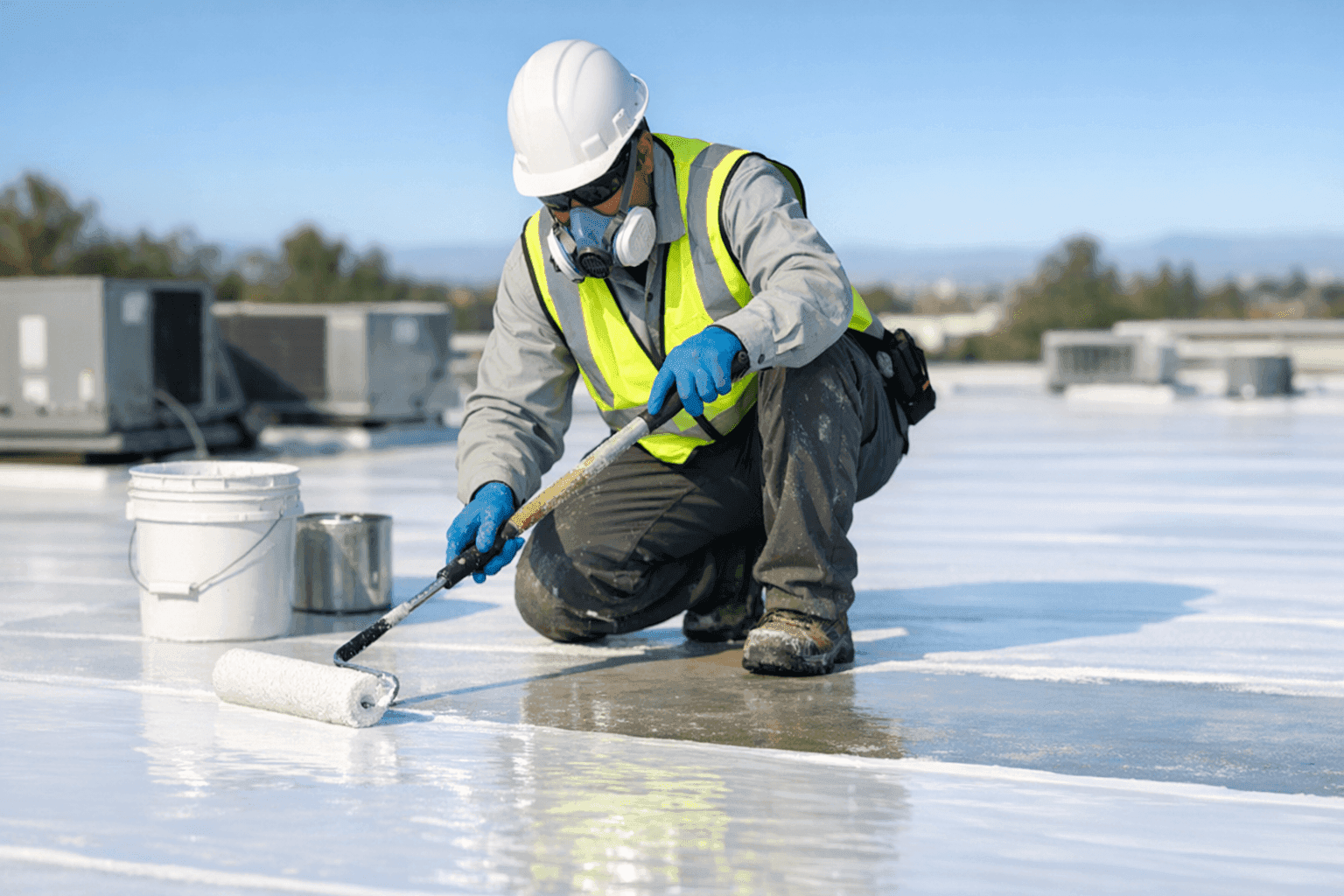
Sealants are usually thick, sticky, and flexible. They’re applied to problem spots: flashing, vents, joints, and around chimneys. Coatings are rolled or sprayed over large areas, forming a seamless membrane that shields your roof from the elements.
Both are essential for keeping your roof watertight and energy-efficient. And the best part? They work on almost every type of roofing—shingle, metal, tile, or flat.
Types of Roofs and How Sealants & Coatings Help
Every roof is different. The right product depends on your roof’s material and shape:
- Shingle Roofs: Asphalt shingles benefit from clear or elastomeric sealants that stop leaks at vulnerable edges and flashing.
- Metal Roofs: Specialized coatings prevent rust, seal seams, and reflect heat, extending the life of metal panels.
- Flat Roofs: These are especially prone to ponding water. Thick, rubberized coatings form a waterproof barrier, stopping leaks before they start.
- Tile Roofs: Flexible sealants keep water from sneaking under tiles and damaging the underlayment.
No matter your roof type, regular sealing and coating can add years to its life and help prevent those “bucket under the drip” moments.
Key Benefits: More Than Just Leak Protection
Why bother with sealants and coatings? The advantages go far beyond plugging holes:
- Leak Prevention: Stops water from seeping into your attic, insulation, or ceilings.
- Energy Efficiency: Reflective coatings bounce sunlight away, keeping your building cooler in summer and easing the load on your AC.
- Weather Resistance: Shields against UV rays, hail, wind, and freeze-thaw cycles.
- Cost Savings: Delays the need for a full roof replacement—sometimes by a decade or more.
- Mold & Mildew Defense: By keeping moisture out, you reduce the risk of rot and health hazards.
Some coatings are even ENERGY STAR® rated, which means they meet strict standards for solar reflectance and thermal performance.
Types of Sealants and Coatings: What’s on the Market?
Not all products are created equal. Here’s a quick rundown of the most common types:
- Acrylic Coatings: Popular for flat roofs, they’re UV-resistant and easy to apply.
- Silicone Coatings: Great for areas with heavy rain, as they resist ponding water.
- Polyurethane Sealants: Tough and flexible, perfect for high-traffic roofs or areas with lots of movement.
- Elastomeric Coatings: Stretchy and durable, these work well on both residential and commercial roofs.
Always check that your chosen product meets ASTM International standards or is approved by the manufacturer for your specific roof type.
The Professional Application Process
Applying roof sealants and coatings isn’t just a matter of slapping on some goop. Here’s how the pros at Shindo Trust Roofing handle it:
- Inspection: We start by checking for damage, debris, and moisture. Safety comes first—following OSHA fall protection and ladder safety guidelines.
- Cleaning: A clean surface is key. We remove dirt, moss, and old coatings so the new layer sticks properly.
- Repair: Any cracks, holes, or damaged flashing get fixed before sealing.
- Application: Sealants are applied to joints and trouble spots. Coatings are rolled or sprayed in even layers, with special attention to edges and seams.
- Curing: Time is needed for the product to set. Weather conditions matter—a dry, mild day is best.
- Inspection Again: We double-check for missed spots and proper coverage.
This careful process ensures long-lasting protection and meets manufacturer warranty requirements.
When to Recoat: Timing Matters
How often should you reapply a coating or sealant? There’s no one-size-fits-all answer, but here are some signs it’s time:
- The roof looks dull, chalky, or faded.
- You spot cracks, bubbles, or peeling.
- Water isn’t beading up—it’s soaking in.
- It’s been 5-10 years since the last application (depending on the product).
Regular inspections—at least once a year—help catch problems early. If you’re unsure, a quick check by a pro can save you from bigger headaches later.
Cost vs. Savings: Is It Worth It?
Let’s talk numbers. A high-quality sealant or coating costs less than a major repair or full replacement. While prices vary by roof size and material, coatings typically range from $1 to $4 per square foot, installed.
But the real savings come over time:
- Lower utility bills thanks to better insulation.
- Fewer emergency repairs.
- Delayed roof replacement (sometimes by 10+ years).
According to the National Roofing Contractors Association, preventative maintenance—including coatings—can double the service life of a commercial roof.
Prevention & Maintenance: Simple Steps for Longevity
Want your roof to last? A little care goes a long way:
- Clean gutters and drains so water can flow freely.
- Trim overhanging branches that drop debris.
- Schedule annual roof inspections, especially after storms.
- Use only manufacturer-approved products and follow safety codes.
If you have a flat roof, keeping up with flat roof services is especially important. Standing water is a flat roof’s worst enemy—so regular maintenance and timely coatings are essential.
DIY vs. Call a Pro
Some homeowners tackle small sealing jobs themselves, but there are risks. Working at heights is dangerous. The wrong product can void your roof warranty or cause more harm than good.
Hiring a professional means:
- Proper prep and application.
- Access to commercial-grade materials.
- Compliance with safety and building codes.
- Manufacturer-backed warranties.
For peace of mind, consider a sealants and coatings service from a trusted roofing company.
Quick Safety Checklist
Before any work starts, make sure:
- Ladders are secure and on stable ground.
- You’re wearing slip-resistant shoes.
- Weather is dry and mild—never coat a wet roof.
- Power lines and skylights are clearly marked.
Always follow OSHA guidelines and local building codes for safety.
Common Mistakes to Avoid
Even small errors can lead to big problems:
- Skipping surface cleaning—dirt stops coatings from sticking.
- Applying in bad weather—moisture ruins the cure.
- Using the wrong product for your roof type.
- Ignoring manufacturer instructions.
When in doubt, consult a professional for advice.
Signs of Trouble: When to Call for Help
Don’t ignore these red flags:
- New leaks or water stains inside.
- Blistering, bubbling, or peeling on the roof surface.
- Mold or musty smells in the attic.
- Sudden spikes in energy bills.
If you spot any of these, it’s time for a professional inspection. Fast action can prevent major damage.
Timeline & Disruption: What to Expect
Most sealant and coating projects take one to two days, depending on roof size and weather. You might notice some noise and foot traffic, but disruption is usually minimal for both homes and businesses.
Advance notice and clear communication help keep everything running smoothly.
When It’s an Emergency
Storm just passed through? If you have an active leak or visible roof damage, don’t wait. Emergency Glendale roofing services are available to help you get back to normal as quickly as possible.
Seasonal Considerations
Spring and fall are ideal times for coating and sealing. Avoid extreme heat or cold, which can affect curing. In regions with heavy rain or snow, schedule work before the wet season hits.
Materials & Equipment: What the Pros Use
Professional roofers use:
- Industrial-grade rollers, sprayers, and brushes.
- Safety harnesses and fall protection gear.
- Manufacturer-certified sealants and coatings.
- Moisture meters and thermal cameras for inspection.
Always ask about the products being used—are they rated for your roof type? Do they meet national standards?
FAQ: Your Roof Coating Questions Answered
Q: Will a coating change the look of my roof?
A: Many coatings are available in clear or neutral colors. Some can even enhance curb appeal with a bright, clean finish.
Q: Can coatings fix a badly damaged roof?
A: Coatings are best for prevention and minor repairs. Major damage may require more extensive work.
Q: How long do coatings last?
A: Most last 5-10 years, depending on product and conditions. Regular inspections help maximize lifespan.
Q: Are coatings eco-friendly?
A: Many modern coatings are low-VOC and ENERGY STAR® rated, reducing your building’s environmental impact.
Ready to Protect Your Roof?
Don’t wait for a leak to remind you. Roof sealants and coatings are a smart, affordable way to keep your roof strong, efficient, and leak-free for years to come.
Call Shindo Trust Roofing now — or reach us anytime at 888-698-1884 .