Roof Storm Damage: How to File an Insurance Claim
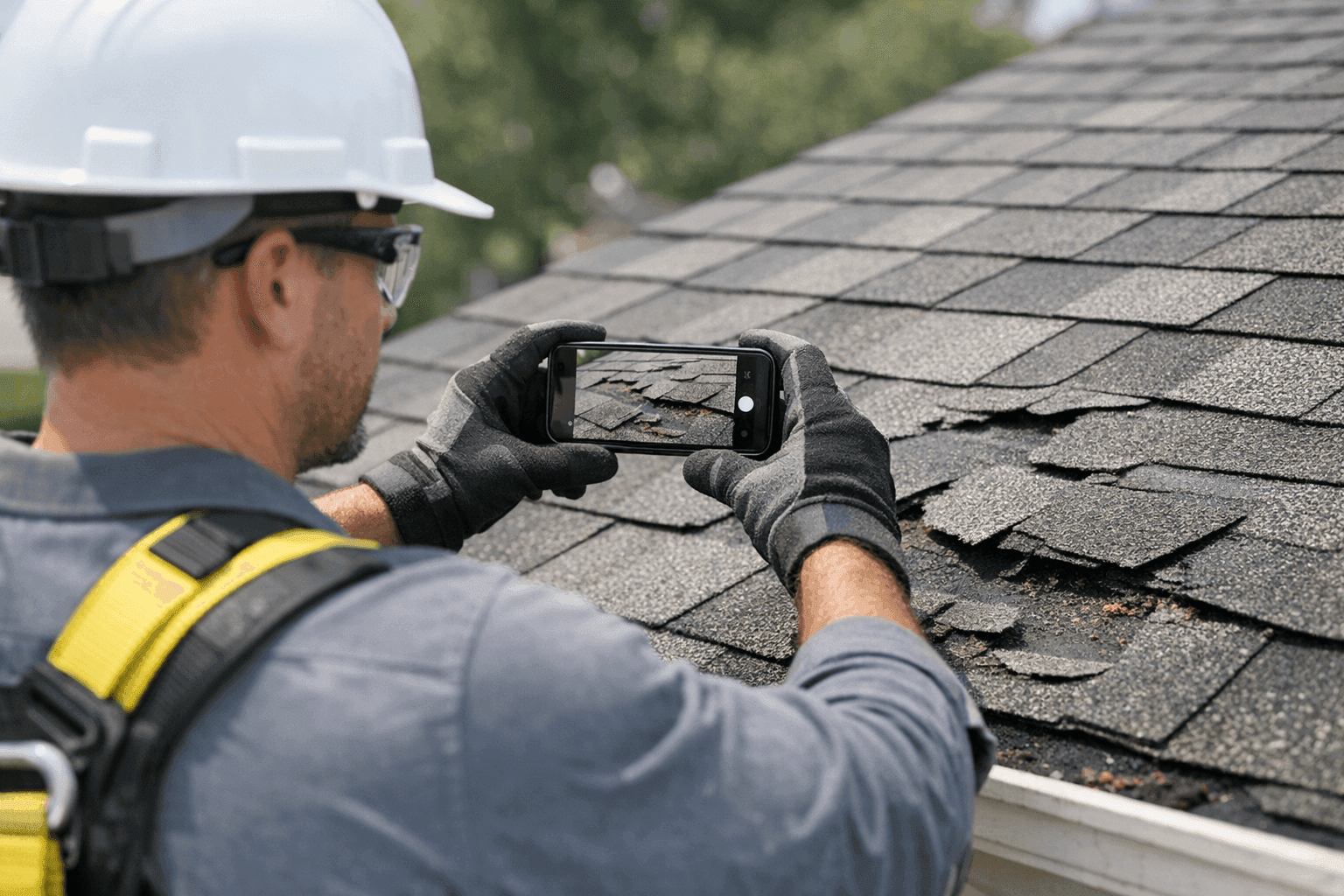
When a storm hits, your roof takes the brunt of the blow. Shingles scatter like leaves in the wind. Gutters twist. Water finds new paths inside. It’s overwhelming—especially when you’re staring up at the damage, wondering where to start.
At Shindo Trust Roofing, we understand how stressful storm damage can be. Navigating the insurance claim process can feel like trying to fix a leaky roof with a tea towel. But with the right steps, you can protect your property and your peace of mind.
Assessing Storm Damage: First Steps After the Storm 🌩️
Before you do anything else, make sure your home or business is safe. Look for downed power lines, broken glass, or unstable structures. If you need to go outside, wear sturdy shoes and avoid walking under hanging tree limbs or loose gutters.
Once it’s safe, take a slow walk around your property. Check for:
- Missing or curled shingles
- Dented or torn flashing
- Damaged gutters and downspouts
- Water stains on ceilings or walls inside
Sometimes, the most serious damage hides in plain sight. A few missing shingles can lead to major leaks. If you’re unsure, call a professional for a thorough inspection. The National Roofing Contractors Association recommends annual inspections, and after any severe weather event.
Quick Safety Checklist
Storm aftermath is no time for bravado. Before climbing a ladder, ask yourself:
- Are there exposed wires?
- Is the roof visibly sagging?
- Are there slippery patches or loose debris?
If you answer “yes” to any of these, stay off the roof. Your safety comes first. Instead, use binoculars from the ground or take photos from a safe vantage point.
Documentation Tips: Your Best Friend in the Claim Process 📸
Insurance companies love details. The more you document, the smoother your claim will go.
- Take wide shots of the entire roof from several angles.
- Snap close-ups of damaged areas—missing shingles, dented vents, torn flashing.
- Photograph interior damage: stains, bubbling paint, or wet insulation.
- Save receipts for emergency repairs or tarping.
Write down the date and time of the storm. If you have local weather reports, keep those handy too. They help confirm the event for your insurer.
DIY vs. Call a Pro: When to Get Help
Some repairs—like replacing a loose shingle—might seem simple. But storm damage is often more complex than it looks. Water can sneak under shingles or behind flashing, leading to hidden rot or mold.
A professional assessment is like an X-ray for your roof. Trained eyes spot what others miss. Plus, a licensed roofer’s inspection report carries weight with insurance adjusters.
If your roof is leaking, sagging, or missing large sections, don’t wait. Contact a roofing company with experience in storm damage restoration. Fast action can prevent further damage and make your claim process smoother.
What Pros Do On Arrival
When a roofing technician arrives, they’ll:
- Inspect the entire roof, gutters, and attic for signs of damage
- Check for structural issues, not just cosmetic ones
- Provide a detailed written report with photos
- Recommend temporary measures, like tarping, if needed
This professional assessment can be shared with your insurance company, strengthening your claim and speeding up approval.
Filing Your Insurance Claim: Step-By-Step
Filing a claim doesn’t have to feel like deciphering ancient runes. Here’s a straightforward path:
- Contact your insurance provider. Report the damage as soon as possible. Many policies require prompt notification.
- Submit your documentation. Photos, inspection reports, receipts—send everything.
- Meet with the adjuster. Your insurer will send someone to inspect the damage. It’s helpful to have your roofing professional present. They can answer technical questions and point out hidden issues.
- Get repair estimates. Obtain detailed quotes from qualified roofing companies. Insurers often require at least one, sometimes two.
- Review your policy. Know your deductible and what’s covered. Wind, hail, and water damage may have different terms.
- Track all communications. Keep a log of calls, emails, and documents.
Professional Assessments: Why They Matter 🛠️
Think of a professional roof inspection as your claim’s backbone. Insurers rely on objective, expert documentation. A thorough report can mean the difference between a full payout and a denied claim.
Professional roofers understand building codes and manufacturer guidelines. They’ll spot code violations or improper installations that could complicate your claim. The International Building Code (IBC) and local regulations set minimum standards for repairs—your roofer should follow these to the letter.
Common Mistakes to Avoid
- Waiting too long to report damage
- Failing to document everything
- Making permanent repairs before the adjuster arrives
- Discarding damaged materials before inspection
- Assuming all damage is visible from the ground
Small oversights can lead to big headaches. Take your time, and double-check your documentation.
Timeline & Disruption: What to Expect
Insurance claims aren’t instant. Here’s a rough timeline:
- Day 1–3: Assess and document damage; contact your insurer.
- Week 1: Adjuster visit and initial inspection.
- Week 2–3: Estimates, claim review, and approval.
- After approval: Repairs scheduled and completed.
Delays can happen, especially after major storms. Stay in touch with your insurer and roofer for updates.
Roof Repair Estimates: What Goes Into the Cost
Repair costs depend on:
- Roof size and pitch
- Materials (shingle, tile, metal, flat roof)
- Extent of damage
- Local labor rates
A detailed estimate should break down labor, materials, and any code upgrades required. If you’re dealing with leaks or water damage, roof repair may include interior fixes as well.
When It’s an Emergency: Fast Action Matters 🚨
If water is pouring in or the roof is unstable, act fast. Emergency tarping or temporary repairs can prevent further damage. Most insurance policies will reimburse you for reasonable emergency measures.
If you’re in need of immediate attention, Berwyn roofing services are available for local support and quick response.
Preventative Maintenance: Reduce Future Claims
Regular maintenance is your roof’s best defense. Clean gutters, check flashing, and schedule annual inspections. Address minor issues before they become insurance claims. The National Roofing Contractors Association offers guidelines for seasonal maintenance.
Seasonal Considerations: Weather and Timing
Storm season brings a rush of claims. If you can, schedule inspections before severe weather hits. After a major event, expect longer wait times for adjusters and repairs.
Materials & Equipment: What’s Used in Repairs
Depending on your roof type—shingle, metal, tile, or flat—your roofer will use materials that match your existing system. Sealants, underlayment, decking, and flashing all play a role. Ask your roofer if eco-friendly options are available; these can sometimes qualify for insurance incentives.
Structural Repairs and Hidden Damage
Storms can do more than tear off shingles. Water intrusion can weaken decking or rafters. Professional roofers check for structural issues and recommend repairs that meet building codes and safety standards.
Inspections: The Value of a Second Opinion
If your claim is denied or you’re unsure about the adjuster’s findings, get a second inspection. An independent assessment can uncover missed damage and help you appeal your claim.
Final Steps: Quality Repairs and Follow-Up
Once your claim is approved, schedule repairs with a reputable roofing contractor. Make sure all work meets local codes and manufacturer specifications. Ask for a final inspection and keep all documentation for your records.
Your Roof, Restored—Without the Headache
Storm damage is stressful, but you don’t have to face it alone. With careful documentation, professional assessment, and clear communication, you can navigate the insurance maze and restore your roof with confidence.
Call Shindo Trust Roofing now — or reach us anytime at 888-698-1884 .