The Importance of Roof Ventilation & Insulation
When the seasons change, your roof quietly works overtime. It shields you from snow, rain, and summer heat—often without a second thought. But there’s a hidden duo at play above your head: roof ventilation and insulation. Get this balance right, and your building stays dry, comfortable, and energy efficient. Ignore it, and small issues can snowball into big, expensive problems.
At Shindo Trust Roofing, we know roofing science isn’t just about shingles and gutters. It’s about protecting your investment, your health, and your peace of mind. Let’s break down why ventilation and insulation matter so much—and how you can spot trouble before it grows.
Why Roof Ventilation & Insulation Matter
Think of your roof as a living, breathing system. Proper ventilation is like your home’s lungs, letting trapped heat and moisture escape. Insulation acts as the cozy sweater, keeping the inside temperature steady in every season.
When these two work together, you get a roof that lasts longer, saves energy, and keeps indoor air healthier. But when one fails, problems pop up fast.
The Science: How Heat and Moisture Move Through Your Roof
Warm air wants to rise. In winter, heat from your living space pushes upward into the attic. If your insulation is thin or patchy, that warmth escapes—wasting energy and money.
Meanwhile, daily life produces moisture. Cooking, showers, and even breathing fill the air with water vapor. If it can’t escape, condensation forms under the roof deck. That’s the perfect recipe for mold, mildew, and rot.
Roof ventilation—usually a mix of intake (soffit) and exhaust (ridge or roof vents)—lets this moist air out. It’s like cracking a window on a humid day. The U.S. Department of Energy and International Residential Code both highlight the importance of balanced attic ventilation for every climate.
Benefits of Proper Ventilation 🌀
- Stops Heat Buildup: In summer, a well-ventilated attic can be 20–40°F cooler than one that’s stifled. That means less strain on your AC.
- Prevents Ice Dams: In winter, ventilation helps keep the roof cold, so snow melts slowly and evenly. This stops dangerous ice dams from forming along the eaves.
- Reduces Mold Risk: Moisture escapes before it can settle, so mold and mildew don’t take hold.
- Improves Indoor Air Quality: Fresh air in the attic helps keep the air you breathe cleaner.
Signs of Poor Insulation
How do you know if your insulation isn’t pulling its weight? Watch for these red flags:
- Cold Drafts & Hot Spots: Rooms that are always chilly in winter or roasting in summer.
- Uneven Snow Melt: Bare patches on a snow-covered roof can mean heat is leaking out.
- High Energy Bills: Steadily rising costs with no clear explanation.
- Moisture in the Attic: Damp insulation, water stains, or musty odors point to trapped humidity.
- Pest Problems: Gaps in insulation are open doors for critters.
If you spot any of these warning signs, it’s time to schedule a roof ventilation and insulation assessment.
Impact on Roof Longevity
A well-ventilated and insulated roof doesn’t just protect comfort—it adds years to your investment.
- Stops Rot: Dry wood lasts. Trapped moisture leads to soft spots, decay, and costly repairs.
- Protects Shingles: Heat from below can “cook” shingles, making them curl, crack, and fail early.
- Keeps Fasteners Strong: Nails and screws can rust if they sit in damp wood.
- Supports Structural Integrity: Mold and rot weaken rafters and decking, threatening your roof’s backbone.
Energy Savings: The Hidden Payoff 💡
Every degree of heat you keep in (or out) is money saved. According to ENERGY STAR, homeowners can save up to 15% on heating and cooling costs with proper attic insulation and ventilation.
For commercial property owners, the savings multiply. A well-designed roofing system can reduce HVAC strain, lower peak energy demand, and keep tenants happy.
Quick Safety Checklist: Is Your Roof Breathing Right?
- Can you see daylight at the eaves (soffit vents) in your attic?
- Are attic vents clear of dust, insulation, or bird nests?
- Is insulation evenly distributed, with no gaps or compressed spots?
- Are there musty odors or visible mold in the attic?
- Do your energy bills spike during extreme weather?
Ticking “no” to any of these means your roof’s balance may be off.
DIY vs. Call a Pro
Some fixes—like clearing attic vents—are safe for a handy homeowner. But insulation upgrades, vent installation, or mold remediation are best left to licensed pros. Working in attics can be risky, and mistakes can lead to bigger headaches.
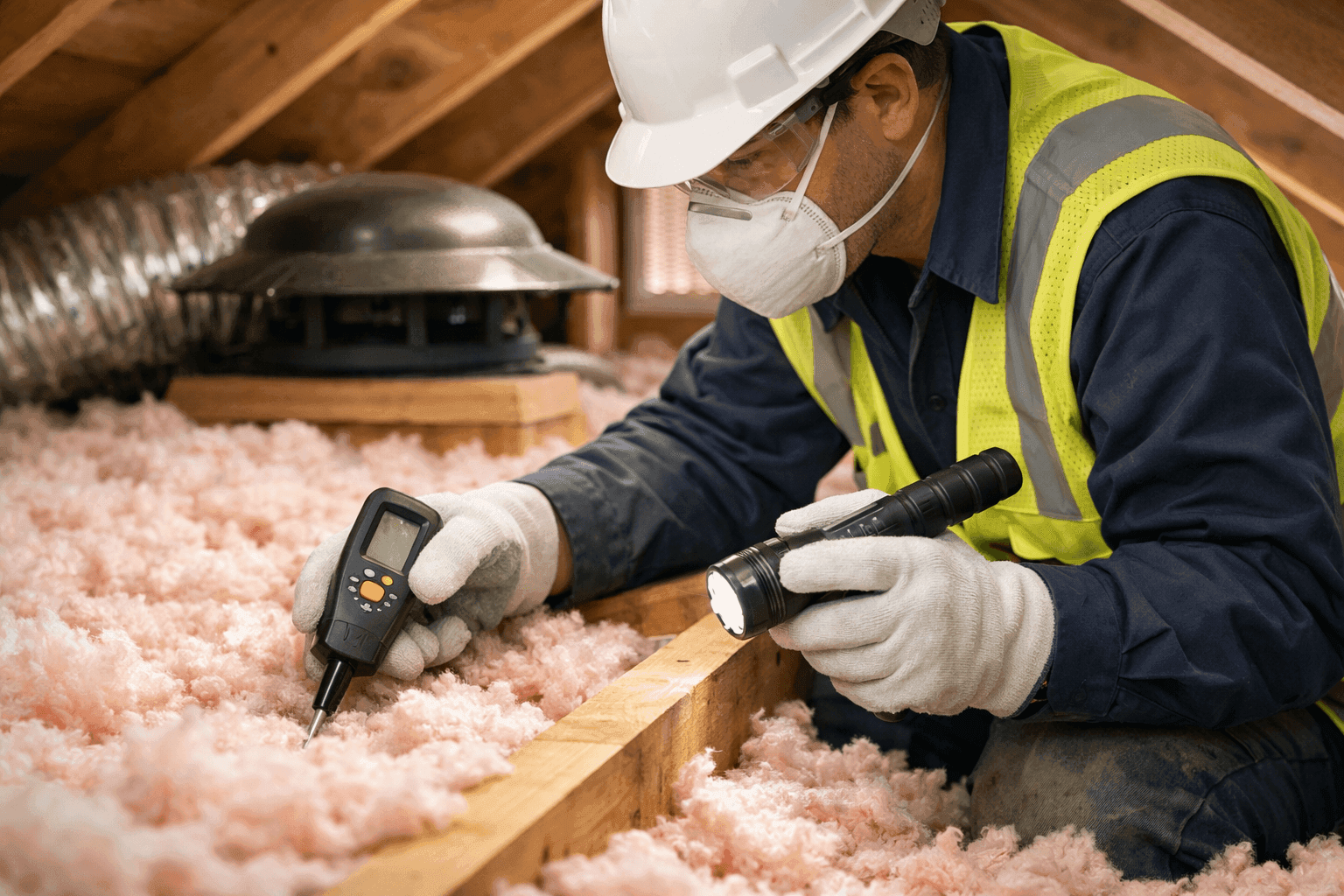
Professional crews use thermal cameras, moisture meters, and air flow sensors to spot trouble you can’t see. They’ll check for code compliance, fire safety, and the right vent-to-insulation ratio for your building.
What Professionals Look for During an Inspection
A thorough inspection covers:
- Attic temperature and humidity readings
- Signs of condensation, mold, or rodent activity
- Condition of soffit, ridge, and gable vents
- Insulation depth and coverage
- Air leaks around pipes, chimneys, and light fixtures
Crews follow guidelines from the National Roofing Contractors Association (NRCA) and local building codes to ensure every detail is right.
Prevention & Maintenance: Staying Ahead of Trouble
Regular roof inspections and preventative maintenance are your best defense. Schedule a check-up at least once a year—or after any major storm.
- Clear debris from vents and gutters
- Check insulation for settling or moisture
- Replace damaged or missing vent covers
- Seal attic air leaks before adding new insulation
Learn more about the value of regular roof inspections and maintenance for every season.
Costs & Time Factors: What to Expect
Every roof is unique. Costs depend on insulation type (fiberglass, cellulose, spray foam), attic size, and how much ventilation is needed.
- Insulation: Upgrading or topping off attic insulation is often a one-day job. The average return on investment is high, thanks to lower utility bills.
- Ventilation: Adding or replacing roof vents can be done quickly, often during other roofing work.
- Mold Remediation: If mold is present, remediation and repairs can add to the timeline and cost.
A quality contractor will walk you through every step, never cutting corners or skipping code requirements.
When It’s an Emergency 🚨
Certain problems can’t wait:
- Sudden water leaks after storms
- Mold spreading rapidly in the attic
- Ice dams causing ceiling leaks or structural damage
If you’re facing urgent roofing or insulation issues, Shindo Trust Roofing provides prompt emergency response. We also offer reliable help for property owners—if you’re searching for support in your area, our La Crosse roofing team is ready to help.
Common Mistakes in Roof Ventilation & Insulation
- Blocking Vents with Insulation: When insulation falls over soffit vents, air stops flowing.
- Over-Insulating Without Venting: More isn’t always better. Without airflow, insulation alone can trap moisture.
- Mixing Vent Types: Mixing box vents and ridge vents can short-circuit airflow.
- Ignoring Air Leaks: Gaps around attic accesses let warm, moist air sneak in.
Seasonal Considerations: Adjusting for Weather
- Winter: Watch for ice dams and attic frost. Keep vents clear of snow.
- Spring: Inspect for water stains and check vent screens for debris.
- Summer: Look for hot spots and ensure attic fans are working.
- Fall: Clean gutters and downspouts to help the roof drain freely.
Timeline & Disruption: What to Expect During Service
Most insulation and ventilation upgrades take a day or two. You may need to clear attic storage or provide access, but disruption is minimal. Professional crews lay down protective coverings, keep dust to a minimum, and clean up thoroughly.
Materials & Equipment Used
- Insulation: Fiberglass batts, blown-in cellulose, or spray foam
- Vents: Ridge, soffit, gable, or mechanical fans (as required by code)
- Sealants: For air leaks around pipes, wiring, and other penetrations
- Safety Gear: Respirators, protective suits, and harnesses for attic work
All products are chosen to meet or exceed code requirements for fire safety and energy efficiency.
FAQ: Your Roof Ventilation & Insulation Questions Answered
How often should attic insulation be replaced?
Insulation rarely “expires,” but settling, moisture, or pest damage means it should be topped off or replaced. Inspect every few years.
Can I add more insulation myself?
Some types (like batts or rolls) are DIY-friendly, but check for air leaks and vent blockages first. For blown-in or spray foam, hire a pro.
Does a metal or flat roof need ventilation?
Yes—every roof type benefits from balanced ventilation, not just shingle roofing near you.
What are code requirements?
Building codes (like the International Residential Code) set minimums for attic ventilation and R-value (insulation rating). A trusted roofing contractor will know what applies to your home or business.
Building for the Future: Eco-Friendly Roofing Options
Looking to go green? Today’s insulation materials are safer and more sustainable than ever. Proper ventilation also extends the life of eco-friendly roofing, like cool roofs and solar panels, by minimizing heat buildup.
Final Thoughts: Protect Your Home, Save Money, Breathe Easier
Roof ventilation and insulation aren’t just checkboxes for your next remodel. They’re critical to the long-term health of your building—and the people inside. Don’t wait for the signs of trouble to show themselves.
Call Shindo Trust Roofing now — or reach us anytime at 888-698-1884 .