Roofing Cap Services: Protecting Vents and Ridges
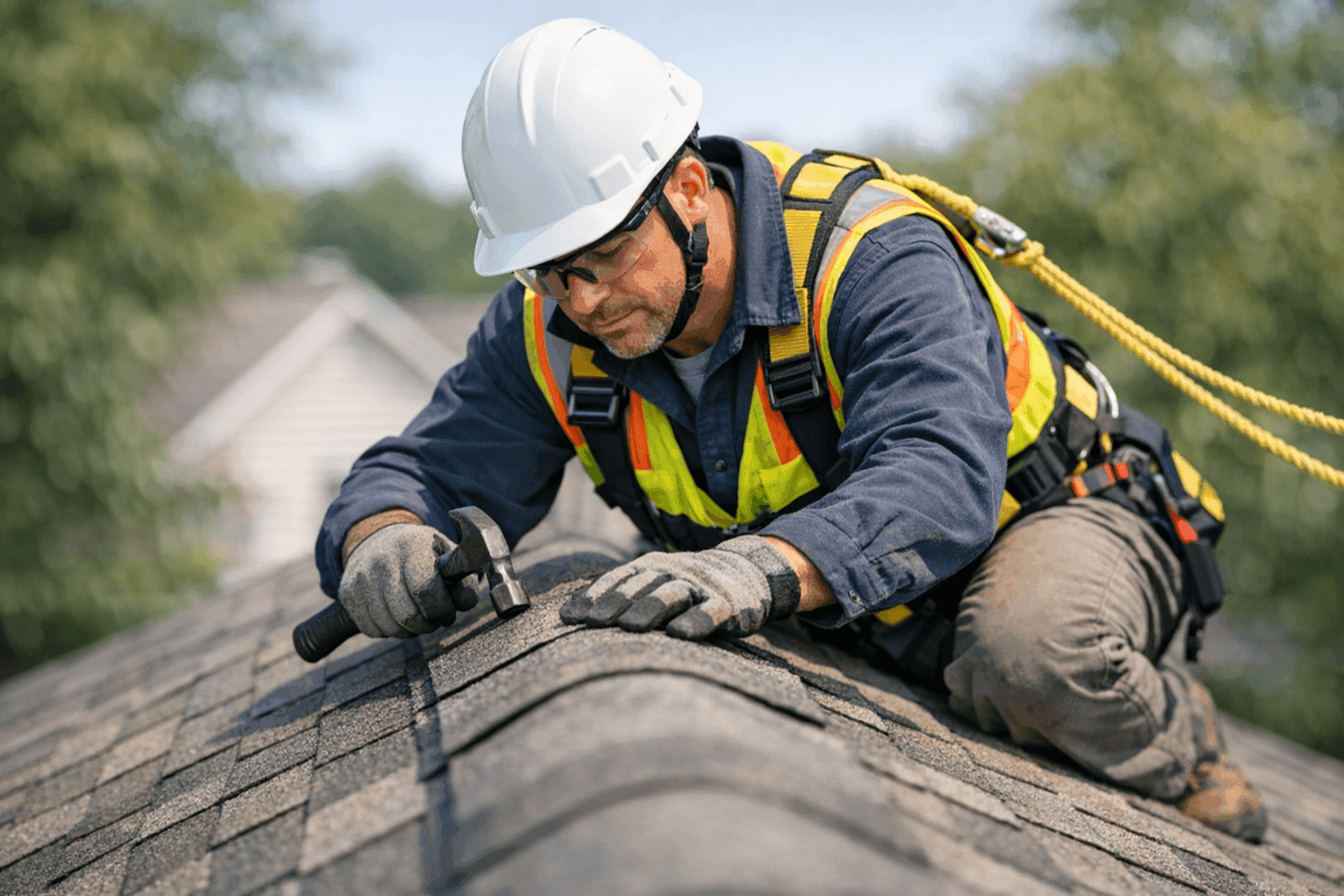
When it rains, your roof stands between you and the storm. But there’s a silent hero up there—roof caps. These small but mighty protectors guard your vents and ridges, keeping water and critters where they belong: outside.
A missing or damaged roof cap is like a broken zipper on a tent. It only takes one weak spot for leaks, mold, and pests to sneak in. At Shindo Trust Roofing, we see how quickly small issues with caps turn into big headaches. Let’s break down what every property owner needs to know.
What Are Roof Caps—And Why Do They Matter?
Roof caps are custom-shaped covers installed along the ridges and over vent openings. Think of them as the helmet on your roof’s head—shielding vulnerable seams from rain, wind, and debris. Without caps, even the best shingle roofing near you can’t keep moisture from seeping in at the highest points.
Caps also serve as critical points for attic ventilation. When installed correctly, they allow air to escape without letting in water or pests. That balance keeps your roof healthy year-round.
Types of Roof Caps 🏠
Not all caps are created equal. Here are the most common types you’ll find on residential and commercial roofing:
- Ridge Caps: Run along the peak of the roof, sealing the joint where two slopes meet.
- Vent Caps: Cover plumbing, attic, and other vent pipes to block rain and animals.
- Hip Caps: Sit on the angled hips of roofs with complex shapes.
- Flat Roof Caps: Protect seams and vent openings on flat or low-slope roofs.
- Custom Caps: Made to fit unique architectural features or specialty materials like tile or metal.
Each type has its own installation method and material requirements. The right choice depends on your roof’s design, local building codes, and weather patterns. The International Residential Code (IRC) provides baseline standards, but local regulations may require more.
Where Are Roof Caps Used?
You’ll spot caps at the highest points of your roof—ridges, hips, and over every vent. These are the weak spots where water loves to find a way in. On commercial flat roofs, caps may be used around HVAC units, skylights, or drainage pipes.
Caps are also crucial for energy efficiency. Properly vented ridge caps help release hot air from your attic, reducing cooling costs and preventing ice damming in winter.
Common Issues with Roof Caps
Even the toughest cap can run into trouble. Here’s what we see most often:
- Cracked or Missing Shingles: Caps made from shingles can crack, curl, or blow away.
- Rust or Corrosion: Metal caps may rust, especially if fasteners are exposed.
- Loose Fasteners: Nails or screws can work themselves out over time.
- Sealant Failure: Old caulk or sealant dries out and lets water sneak underneath.
- Animal Intrusion: Squirrels, birds, and insects love to nest in gaps around damaged caps.
- Improper Installation: If caps aren’t installed to code, leaks are almost guaranteed.
Signs of Roof Cap Damage
How do you know if your roof caps are in trouble? Watch for these red flags:
- Water stains or damp spots on ceilings, especially after rain
- Mold or mildew smells in the attic
- Shingles or metal flashing visibly out of place at ridges or vents
- Unexplained drafts or temperature swings inside
- Small critters or insects appearing indoors
- Debris or moss building up along the roof’s peak
A regular roof inspection is the best way to catch these issues before they escalate.
How Cap Services Prevent Water Intrusion and Pest Problems
Think of roof caps as the lid on a pot—without it, everything inside is exposed. Well-maintained caps:
- Direct water away from vulnerable seams and fastener holes
- Stop wind-driven rain from working under shingles or tiles
- Block birds, rodents, and insects from entering attic spaces
- Maintain proper airflow, preventing condensation and mold
When caps fail, water finds the path of least resistance. That can mean soaked insulation, rotting wood, and expensive structural repairs. Pest infestations are another risk, as even a small gap can invite a family of squirrels or a wasp nest.
Cap Repair and Replacement: What’s Involved?
Repairing or replacing roof caps is a precise job. Here’s what a typical visit from Shindo Trust Roofing involves:
- Inspection: We check every ridge, hip, and vent cap for signs of wear, missing pieces, or improper installation.
- Material Selection: Matching new caps to your existing roofing is key—whether it’s asphalt, metal, tile, or a flat roof membrane.
- Removal: Damaged caps and old sealant are carefully removed without disturbing underlying layers.
- Installation: New caps are installed with weather-rated fasteners and sealant, following manufacturer specs and code.
- Testing: We simulate rain or use moisture meters to ensure a watertight seal.
If your property needs specialized attention, our cap services address every detail from start to finish.
Preventative Maintenance for Roof Caps 🛠️
A little care goes a long way. Here’s how to keep your roof caps in top shape:
- Schedule a professional inspection at least once a year—spring and fall are ideal.
- Clear debris like leaves, sticks, and moss from ridges and vent areas.
- Check your attic for signs of water, mold, or animal activity.
- Replace cracked or missing shingles promptly.
- Reapply sealant every few years, especially after major storms.
The National Roofing Contractors Association (NRCA) recommends regular maintenance to extend roof lifespan and minimize costly repairs.
DIY vs. Professional Cap Repair
It might be tempting to climb up and fix a loose cap yourself. But working on a roof is risky. Falls are a leading cause of home injuries, and improper repairs can void warranties or create bigger problems.
Professional installers use safety harnesses, specialized tools, and follow strict protocols. They also know how to spot hidden issues—like rotted decking or improper ventilation—that the untrained eye might miss.
Quick Safety Checklist Before Any Roof Work
- Never climb a roof alone or when it’s wet.
- Use a sturdy, properly-angled ladder.
- Wear non-slip footwear and gloves.
- Watch for overhead wires and unstable surfaces.
- If you’re unsure, stay safe and call a professional.
When It’s an Emergency
Storm just swept through? Water pouring in? Don’t wait. Emergency roof cap repairs can prevent thousands in damage. Fast action is especially critical for commercial buildings where leaks can halt business operations.
For those needing rapid Rockville roofing services, timely help is available year-round.
Seasonal Considerations for Roof Cap Care
Winter ice, spring storms, summer heat—each season brings new challenges:
- Winter: Ice dams can lift caps and force water underneath.
- Spring: High winds and rain test every seam.
- Summer: UV rays dry out sealants and crack shingles.
- Fall: Leaves and debris clog vents, trapping moisture.
Plan inspections around major weather changes to catch issues early.
Costs and Time Factors
Repairing a single ridge cap is a quick job—often done in under an hour. Full replacement or complex vent cap work may take longer, especially if underlying damage is found. Materials and labor costs vary by roof type and accessibility.
It’s always less expensive to fix a small problem early than to wait for major leaks or structural damage.
Professional Installation and Inspection Protocols
At Shindo Trust Roofing, every cap installation follows strict procedures:
- Use of manufacturer-approved fasteners and sealants
- Alignment with local building codes and safety standards
- Thorough moisture and airflow checks
- Detailed documentation and before/after photos
This attention to detail keeps your warranty intact and your property protected.
Common Mistakes to Avoid
- Overdriving nails or screws, which can crack caps
- Using mismatched materials that don’t seal properly
- Skipping regular inspections
- Ignoring small leaks or drafts
- Relying on old sealant that’s past its prime
Avoid shortcuts—your roof is only as strong as its weakest point.
FAQ: Your Roof Cap Questions Answered
How often should roof caps be checked?
At least once a year, or after any major weather event.
Can damaged caps be patched, or must they be replaced?
Minor cracks can sometimes be sealed, but missing or badly damaged caps should be replaced for a proper fix.
Are all caps the same?
No—materials, shapes, and installation methods vary by roof type and manufacturer.
Will insurance cover cap repairs?
Often, if damage is due to storms or sudden events. Check your policy and document issues promptly.
Preparing for Roof Cap Service
Before your appointment:
- Clear vehicles and obstacles from driveway and yard
- Secure pets indoors
- Point out any known leaks or trouble spots to your roofer
- Prepare for some noise and brief access to attic or crawlspace
When to Call an Expert
If you notice stains, drafts, or critters, don’t wait for the next storm. Early intervention is key. Whether it’s a simple sealant touch-up or a full cap replacement, professional help keeps your property safe and dry.
Your roof is more than shingles and nails—it’s a system built to protect everything beneath it. Roof caps are the unsung heroes, quietly doing their job day after day. Keep them in top shape, and your entire building will thank you.
Call Shindo Trust Roofing now — or reach us anytime at 888-698-1884 .