Roofing FAQs: Answers to the Most Common Questions
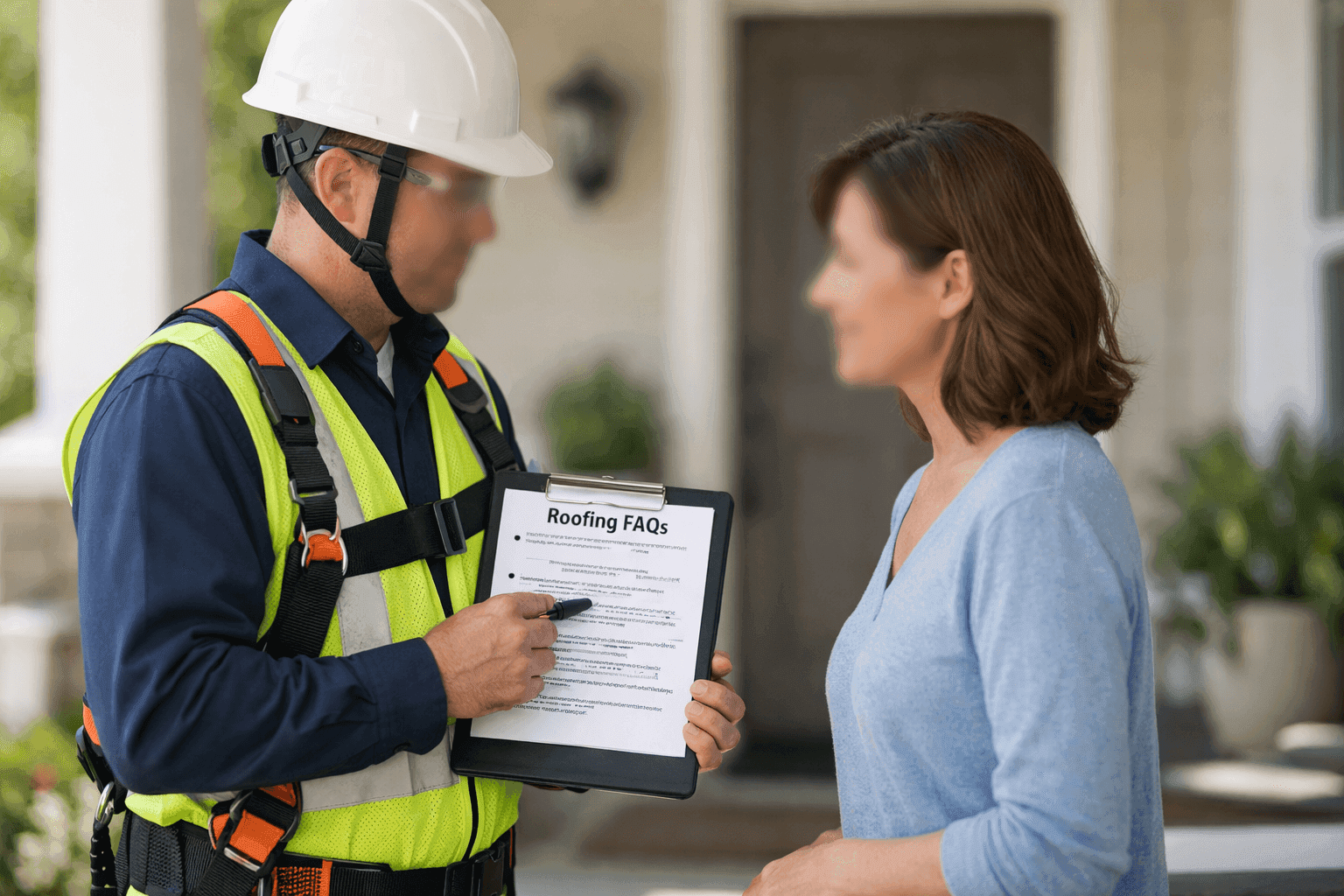
No one wants to wake up to the telltale drip of a leak or the sight of shingles scattered across the yard after a storm. We get it—roofing can feel overwhelming, and finding answers shouldn’t be another headache.
At Shindo Trust Roofing, we field roof questions every day—from first-time homeowners to business owners managing sprawling properties. Here are the answers that bring peace of mind. No fluff. Just the facts, straight from decades of hands-on experience.
Roofing Basics: What Every Property Owner Should Know 🏠
How long should a roof last?
Most shingle roofs last about 20 to 25 years. Metal roofs? They often see 40 years or more. Tile and slate can outlast a generation if installed and maintained properly. But remember: climate, maintenance, and material quality all play a part. Think of a roof like a good pair of boots—take care of them, and they’ll carry you far.
What’s the difference between a repair and a replacement?
A repair fixes specific issues—a broken tile, a missing shingle, or a small leak. Replacement is a full do-over: stripping the old material and installing a brand-new roof system. Sometimes, what starts as a repair reveals deeper problems. That’s when a professional eye makes all the difference.
How do I spot roof damage early?
Look for curled, cracked, or missing shingles. Granules in your gutters. Spots on ceilings or walls. Sagging rooflines. After a storm, take a walk around your property and use binoculars or your phone’s zoom. When in doubt, schedule regular roof inspections.
Repair and Maintenance: Staying Dry and Safe
Should I try to fix a roof issue myself?
Some tasks—like cleaning gutters or clearing debris—are safe for handy homeowners. But repairs involving heights, power tools, or damaged structures? Leave those to licensed pros. One missed step could turn a small fix into a life-changing injury. The National Roofing Contractors Association (NRCA) recommends professional inspections twice a year.
How do I prevent leaks and water damage?
- Keep gutters and downspouts clear.
- Watch for moss or algae—these trap moisture.
- Trim overhanging branches.
- Check attic insulation and ventilation.
- Address minor repairs before they snowball.
Simple habits, big protection. Leaks are like ants—ignore one, and soon you have a colony.
What should I do if my roof starts leaking during a storm?
First, stay safe. Place a bucket under drips and move valuables. Don’t climb onto a wet roof. Once it’s safe, call for emergency roof repair. Quick action limits water damage and costly repairs down the road.
Cost and Warranties: What to Expect
How much does roof repair or replacement cost?
Costs vary—think of it like car repairs. Minor fixes (like replacing a few shingles) might cost a few hundred dollars. Full roof replacements can run several thousand, depending on material, roof size, and labor. Always get a detailed estimate. Beware of prices that seem too good to be true.
Do I need to replace my roof if there’s a leak?
Not always. Small leaks from a missing shingle or cracked flashing can often be patched. But if you see widespread damage, mold, or sagging, a full replacement might be safer and more cost-effective in the long run.
Are warranties worth it?
Absolutely—if you read the fine print. Manufacturer warranties cover material defects, while workmanship warranties cover the installation. Some are pro-rated, others full-coverage. Ask what’s included and what voids the warranty. Keep all paperwork in a safe place.
Material Choices: What’s Right for My Roof?
What roofing material should I choose?
Each material has strengths:
- Asphalt shingles: Affordable, easy to install, and widely available. Good for most homes.
- Metal roofing: Durable, energy-efficient, and great for shedding snow and rain.
- Tile and slate: Long-lasting, fireproof, and classic. Heavier—may need extra structural support.
- Flat roofing: Common for commercial buildings; options include modified bitumen, TPO, and EPDM.
- Eco-friendly options: Cool roofs, recycled shingles, and green roofing to reduce environmental impact.
Consider your climate, budget, and style. Don’t forget to check with your local building codes and HOA guidelines.
What’s the benefit of better insulation or attic ventilation?
Proper insulation and ventilation reduce energy bills, prevent ice dams, and extend roof life. Think of it as a roof’s climate control system—keeping things comfortable inside and dry up top.
Do skylights, chimneys, or solar panels make roofing more complicated?
Yes, but not impossible. Anything that punctures your roof—chimneys, skylights, solar mounts—requires careful flashing and sealing. These areas are like seams in a raincoat: weak points if not handled correctly. Insist on skilled installation and regular inspections.
Emergency Situations: What’s Urgent and What Can Wait?
When is a roofing issue an emergency?
If water is coming inside, structural integrity is threatened, or there’s a risk of electrical hazards, it’s urgent. Storms, fallen branches, or fire can all cause immediate concerns. In these moments, local support can be a game changer—especially if you’re seeking help in Lake Ridge and surrounding areas.
Can you patch a roof in winter or during rain?
Temporary patches are possible, but permanent repairs need dry, above-freezing conditions for most materials to adhere correctly. Safety is a factor too—icy or wet roofs are dangerous.
Inspections & Prevention: Outsmarting Roof Trouble
How often should I get my roof inspected?
Twice a year—typically spring and fall. Also after major storms or if you notice changes (like leaks or debris). Regular inspections catch small problems before they become big headaches.
What’s included in a professional inspection?
A thorough inspection checks:
- Shingles or roofing material condition
- Flashing around chimneys, skylights, and vents
- Gutters, downspouts, and drainage
- Attic ventilation and insulation
- Signs of mold, leaks, or structural weakness
At Shindo Trust Roofing, our trained eyes often spot issues that would escape the untrained observer.
What’s the biggest roofing myth?
That all roof leaks mean you need a new roof. Sometimes it’s just a loose nail or a small split in the flashing. Don’t jump to conclusions—let a pro assess before you decide.
Timeline & Disruption: What to Expect During Service
How long does roof work take?
Small repairs can be finished in a few hours. Full roof replacements generally take one to three days for an average home, longer for commercial buildings or special materials. Weather is the wild card—rain, snow, or high winds can delay work.
Will roof work disrupt my day?
You’ll hear noise—hammering, scraping, sometimes the hum of equipment. Parking may be limited. But reputable crews keep mess to a minimum and clean up thoroughly after the job. Communication is key—ask your roofer what to expect.
Seasonal Considerations: Timing Your Roofing Project
Is there a best season for roofing?
Late spring through early fall is ideal: warm, dry, and predictable. But emergencies don’t wait for good weather, and some repairs can’t be postponed. Plan ahead, but don’t hesitate to address urgent problems regardless of season.
How do storms or snow affect my roof?
Heavy rain, high winds, hail, and snow can all speed up roof wear. After severe weather, inspect your roof for damage, especially if you see debris or notice leaks. Schedule a professional inspection if you’re unsure.
DIY vs. Professional Service: Making the Right Call
Can I install a roof myself?
Theoretically, yes. Realistically, it’s a major project requiring specialized tools, safety equipment, and technical know-how. Improper installation voids most warranties and risks your safety. Most property owners decide it’s worth hiring a pro.
When should I call a professional?
If you spot leaks, sagging, widespread missing shingles, or signs of water damage, don’t wait. Quick action can save thousands. For residents searching for Shingle Roofing near you, professional support is just a call away.
Roofing questions can feel endless—but you don’t have to figure it out alone. For straight answers and service you can count on, Call Shindo Trust Roofing now — or reach us anytime at 888-698-1884 .