Roofing for Energy Efficiency: Save on Heating and Cooling
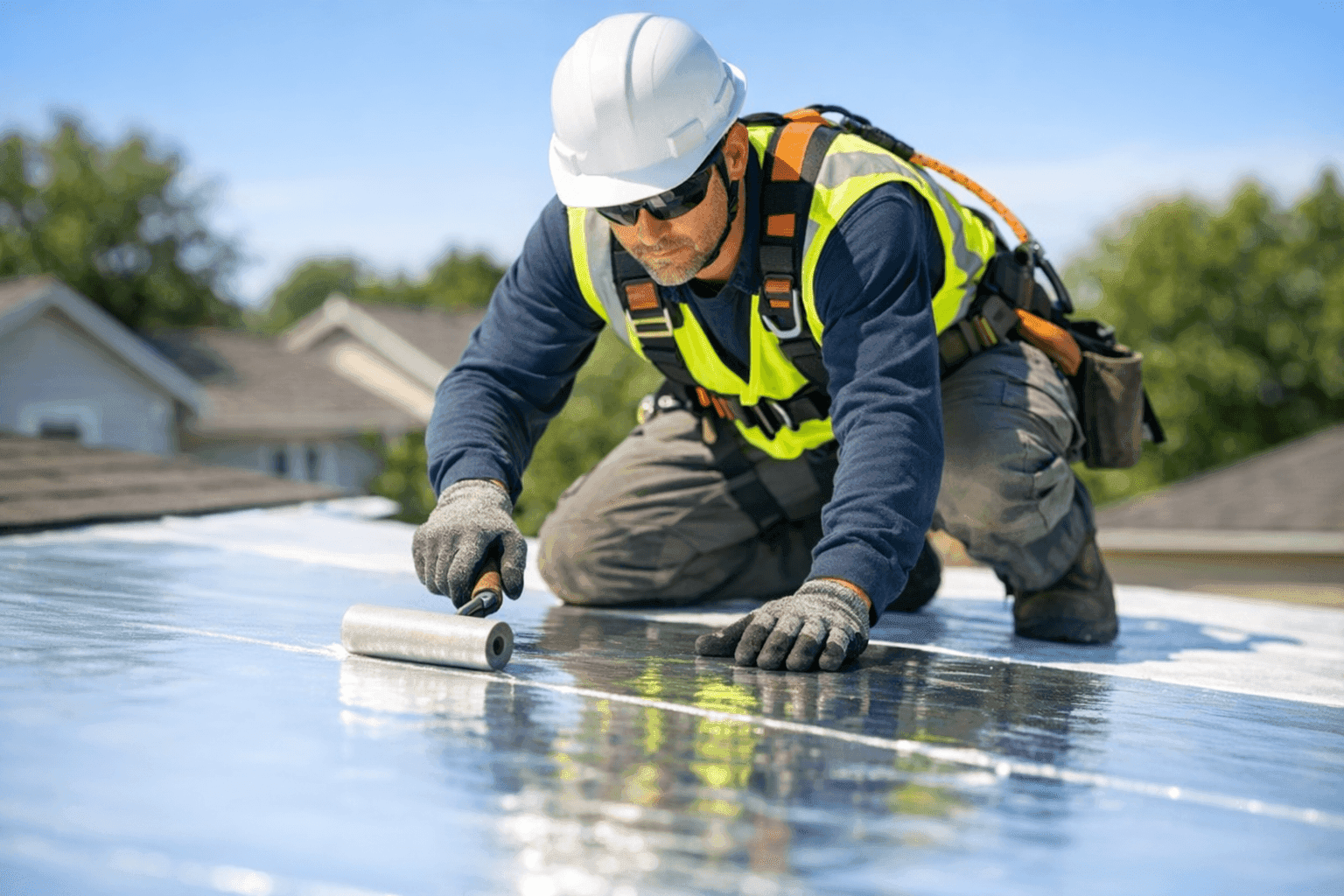
Keeping your home or business comfortable shouldn’t feel like a tug-of-war with your energy bill. Drafts, heatwaves, and leaky roofs can drain your wallet faster than a downspout in a thunderstorm. But the right roofing choices can flip the script—helping you save on heating and cooling all year long.
At Shindo Trust Roofing, we see the impact every day. A well-designed roof isn’t just the cherry on top—it’s the lid that locks in comfort and keeps costs in check. Let’s break down how smart roofing can make your space more energy efficient, with real-world solutions you can count on.
Energy Efficient Materials: The Foundation of Savings 🏠
Choosing the right roofing material is like picking the perfect hat for the season—you want something that keeps you cool in summer and cozy in winter. Some materials are better at this balancing act than others.
- Cool Roofs: These use highly reflective materials, bouncing sunlight away instead of soaking it up. Think of it as putting a mirror on your roof instead of a dark wool blanket. According to the U.S. Department of Energy, cool roofs can lower roof surface temperatures by up to 50°F, translating to serious energy savings.
- Metal Roofing: Modern metal roofs reflect solar radiation and often come with coatings that boost efficiency. Plus, they’re durable and recyclable—no wonder they’re a favorite for both commercial and residential roofing projects.
- Shingle Roofing: Not all shingles are created equal. High-reflectance or ENERGY STAR®-rated asphalt shingles can help cut attic temperatures and cooling loads, especially when paired with a good underlayment.
- Tile Roofing: Clay and concrete tiles have natural thermal resistance, helping buffer outdoor temperature swings.
If you’re interested in eco-conscious solutions, many “green” options—like recycled content shingles or reflective coatings—can further boost efficiency while lowering your carbon footprint.
Insulation & Ventilation: The Unsung Heroes
A roof can only do so much on its own. Proper insulation and ventilation work behind the scenes, like gears in a well-oiled machine.
Attic Insulation: Your Home’s Thermal Blanket
Insulation acts as a barrier, keeping warm air in during winter and out during summer. Without it, even the best roof can’t stop temperature swings. The North American Insulation Manufacturers Association recommends R-38 to R-60 for attics in most climates. High-quality insulation:
- Reduces heat transfer
- Prevents ice dams in winter
- Lowers HVAC workload
Roof Ventilation: Letting Your Roof Breathe
Imagine wearing a winter coat on a hot summer day—without ventilation, that’s how your attic feels. Proper ventilation lets hot air escape, reducing cooling costs and extending your roof’s lifespan. Ridge vents, soffit vents, and attic fans all play a role.
Want to dig deeper into the benefits and best practices? Explore our ventilation and insulation service page for a full breakdown.
Reflective Coatings: Turning Down the Heat
Reflective coatings are like sunglasses for your roof. They help deflect UV rays and lower surface temperatures. The Cool Roof Rating Council notes that these coatings can cut peak cooling demand by up to 15%. They’re available for many roof types—shingle, metal, flat roofs, and more.
- Elastomeric coatings: Flexible and waterproof, great for flat or low-slope roofs.
- Acrylic coatings: Reflective, affordable, and easy to apply.
Not every roof is a candidate, so it’s important to consider age, condition, and climate before choosing a coating.
Return on Investment: Counting the Real Savings 💡
Upgrading your roofing for energy efficiency isn’t just about comfort—it’s a smart financial move. Here’s what you can expect:
- Lower Utility Bills: ENERGY STAR® estimates homeowners can save up to 15% on cooling costs with energy-efficient roofing.
- Longer Roof Life: Cooler roof temperatures reduce thermal shock, meaning fewer repairs and a longer-lasting roof.
- Increased Property Value: Energy-efficient upgrades are a selling point for buyers, both residential and commercial.
If you’re facing frequent repairs, a roof replacement with modern, energy-saving materials can pay off for decades.
DIY or Call a Pro? Knowing When to Reach Out
Some energy upgrades—like adding attic insulation—sound straightforward but can get tricky fast. Incorrect installation can lead to mold, leaks, or even violate building codes. Professional roofers know how to select the right materials, spot hidden issues, and ensure everything meets standards set by organizations like the International Code Council (ICC).
What the Pros Do: Steps for Energy-Efficient Roofing
Here’s what you can expect from a professional installation:
- Comprehensive Inspection: Checking for leaks, gaps, and ventilation problems.
- Material Selection: Recommending the best options for your climate and needs.
- Precise Installation: Ensuring insulation is evenly distributed, vents are clear, and materials are properly sealed.
- Final Testing: Using infrared cameras or blower doors to detect hidden leaks and confirm results.
Every step matters. Even a tiny gap can let energy—and hard-earned money—slip through the cracks.
Prevention & Maintenance: Keeping Efficiency High
Just like a car, your roof needs regular tune-ups to stay in peak condition. Here’s how to keep your energy savings on track:
- Gutter cleaning: Prevents water intrusion that can damage insulation.
- Annual inspections: Catch issues before they become energy drains.
- Sealant checks: Ensures no gaps around vents, skylights, or flashing.
Preventative maintenance is an easy way to protect your investment and avoid surprise energy spikes.
Seasonal Shifts: Adapting Your Roofing Strategy
Energy needs change with the seasons. In summer, reflective roofs and good ventilation are your best friends. In winter, insulation takes center stage.
For those in varying climates or dealing with extreme weather, energy-efficient roofing strategies can make all the difference. If you need help in your area, our Shoreline team is ready year-round.
Common Mistakes to Avoid
- Ignoring attic airflow: Poor ventilation can trap heat and moisture, hurting efficiency.
- Overlooking insulation gaps: Even small spots can lead to big losses.
- Choosing the wrong materials: Not all roofs—or coatings—work in every climate.
- DIY gone wrong: Cutting corners often leads to long-term headaches and higher costs.
Signs Your Roof Is Losing Energy
Look out for these red flags:
- Uneven temperatures from room to room
- Ice dams or heavy icicles in winter
- Heat radiating from your attic in summer
- Unexplained spikes in utility bills
If you spot any of these, it’s time for a professional inspection.
Timeline & Disruption: What to Expect
Worried about disruption? Most energy-efficiency upgrades—like insulation and ventilation—can be completed in a day or two. Full roof replacements or major repairs may take longer, but a well-coordinated crew minimizes downtime.
Emergency Considerations: When Efficiency Becomes Urgent ⚡
Storm damage, sudden leaks, or failing insulation can turn into energy emergencies fast. In these moments, acting quickly prevents further loss and keeps your property safe. Our crews handle urgent calls with priority—whether it’s sealing up a leak or restoring storm-damaged insulation.
FAQ: Energy-Efficient Roofing Answers
Q: Will a new roof really lower my bills?
A: Yes, especially if your current roof is old, damaged, or poorly insulated.
Q: How do I know which material is best?
A: It depends on your building type, local climate, and budget. A professional assessment helps tailor the solution.
Q: Can I add efficiency upgrades to an existing roof?
A: In many cases, yes! Coatings, insulation, and improved ventilation can all boost performance.
The Shindo Trust Roofing Approach
We treat each project like solving a puzzle—no two roofs are the same. By combining the right materials, insulation, and ventilation, we help clients save money and stay comfortable season after season.
Ready to upgrade your roof for better energy efficiency? Call Shindo Trust Roofing now — or reach us anytime at 888-698-1884 .