Roofing for Solar Panel Installation: What to Consider
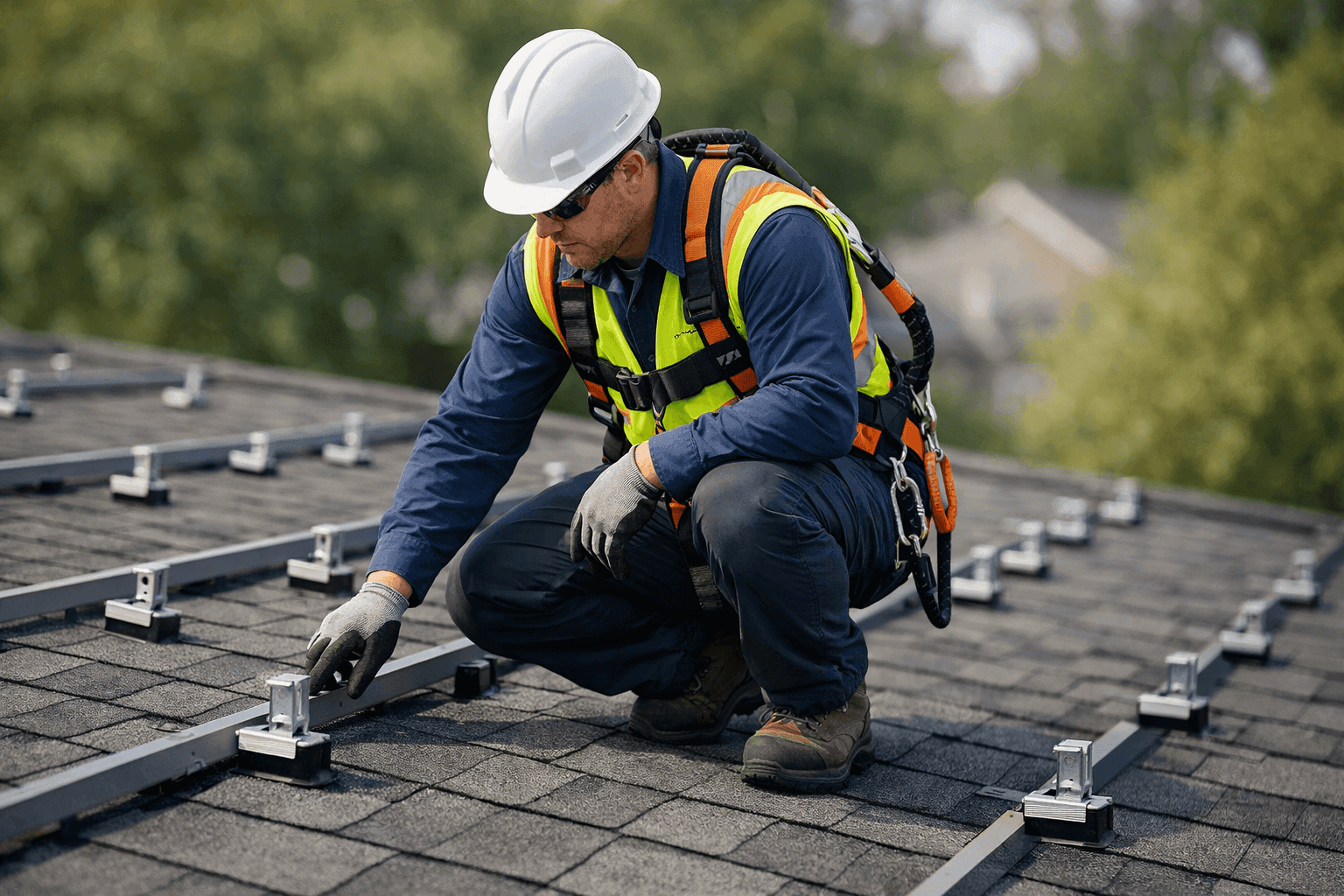
Thinking about adding solar panels? It’s a big leap—smart for the planet and your energy bills. But before you harness the sun, your roof needs a close look.
At Shindo Trust Roofing, we’ve seen all kinds of situations. Sometimes, a roof is ready for panels. Other times, hidden issues cause leaks or headaches later. Planning ahead saves you stress, money, and keeps your home safe.
Roof Suitability for Solar
Not every roof is ready for solar panels. Picture your roof as the foundation for a treehouse: if the boards are wobbly, the whole thing could collapse. Solar panels add weight—any weak spots can lead to trouble down the road.
- Strength and Age: Roofs under ten years old, with no sagging or rot, do best. Older roofs may need repairs or even replacement first.
- Pitch and Orientation: The angle and direction matter. South-facing slopes get the most sun, but east or west can work too. Flat roofs? Special racks help, but strength is still key.
- Size and Shade: Enough open space is needed, free of chimneys, skylights, or tree shadows.
A professional assessment spots underlying issues, so you don’t end up with leaks or structural damage after installation.
Material Considerations 🏠
The type of roof you have changes how solar panels attach:
- Shingle Roofing: The most common roof in America. Panels mount easily, but the shingles must be in good shape. If they’re curling or brittle, they could crack during installation.
- Metal Roofing: These can last 40–70 years. Standing seam metal roofs are ideal for solar; panels clamp right on with minimal roof penetration. Corrugated styles need extra care.
- Tile and Flat Roofs: Tiles crack easily, so special brackets are used. Flat roofs require waterproofing and often heavier-duty racks.
Always check the manufacturer’s warranty. Some materials, like metal or high-quality shingles, carry longer coverage—an extra layer of protection for your investment.
Installation Prep: What Pros Check
Before solar goes up, your roofing team rolls up their sleeves. Here’s what happens:
- Thorough Inspection: Looking for soft spots, loose flashing, or worn-out sealants. Even a tiny crack can lead to leaks after solar is mounted.
- Structural Assessment: Panels are heavy. Rafters and decking must handle the load. If not, reinforcement is needed. The International Building Code (IBC) sets safety standards for load requirements.
- Permits and Paperwork: Most areas require permits for both solar and major roof-repair. Pros handle the red tape, making sure your home meets local codes.
Working with a team experienced in solar-ready roofing prevents headaches. We’ve fixed too many rushed jobs where leaks started months later—repairs that could have been avoided with a careful prep.
Maintenance Tips After Solar Installation 🧰
Solar panels are low maintenance, but your roof still needs care. Think of panels like a rain jacket—it keeps off most of the water, but you still need to check what’s under the hood.
- Annual Inspections: Once a year, have your roof and panels checked for loose mounts or damaged shingles. Heavy storms can shift things.
- Gutter Cleaning: Leaves and debris tend to pile up around panel edges. Clean gutters keep water flowing where it should—away from your house.
- Sealant Checks: Look for cracked caulk or missing flashing. Quick repairs now mean fewer problems later.
- Snow and Debris Removal: In snowy regions, heavy buildup can stress both roof and panels. Use a soft brush—never metal tools.
Routine care keeps your warranty valid and your system working at its best.
Permitting and Code Requirements
Every city and county has different rules. Cutting corners here can mean fines, project delays, or even having to remove the panels.
- Building Permits: Required for structural work and solar installation.
- Electrical Permits: Needed for wiring panels to your home’s system.
- HOA Restrictions: Some neighborhoods set rules on panel visibility or placement.
Always work with a roofing team who knows the local regulations and can coordinate with your solar provider. This keeps your project on the right side of the law.
The Real Cost of Skipping Prep
Solar panels last 25–30 years. Replacing the roof after panels are up means extra labor and costs—panels must be removed and reinstalled. It’s like painting a room only to realize you need to tear down the walls.
If your roof is nearing the end of its life, consider a roof-replacement first. This saves you hassle and ensures the structure can support solar for decades.
Common Mistakes Homeowners Make
- Ignoring Small Leaks: Even minor drips can turn into major problems when panels are added.
- DIY Installations: Solar mounting isn’t a weekend project. Improper attachment leads to leaks and voids warranties.
- Choosing Incompatible Materials: Not all shingles or tiles are rated for solar mounts.
- Skipping Professional Inspections: An extra set of eyes can catch what you might miss.
Signs Your Roof Needs Attention Before Solar
Pay attention to these red flags:
- Soft or spongy spots underfoot
- Missing, curled, or cracked shingles
- Rusted or damaged flashing
- Water stains on ceilings or attic rafters
Spotting issues early can mean a simple repair instead of a costly overhaul.
Timeline & Disruption: What to Expect
Roof prep and panel installation usually take 2–5 days, depending on the scope. You might hear some noise and see materials on-site, but a well-coordinated team keeps disruption to a minimum.
Talk to your roofing contractor about scheduling—some seasons are busier than others. Planning ahead keeps your project on track.
When It’s an Emergency
Sometimes, damage is discovered mid-install. Maybe a hidden leak, or decking that’s gone soft. Don’t panic—roofing pros can patch or reinforce as needed. In urgent cases, local teams are ready to step in. For those in the area, our roofing services in St. Charles are on call to help keep installations on schedule.
Seasonal Considerations
Spring and fall are prime times for roofing and solar work. Mild temperatures help materials cure properly, and installers can work safely. Winter and summer extremes can slow projects or affect material performance.
Professional Assessment: The Unseen Value
You wouldn’t build a treehouse on a rotten limb. A professional roof assessment is like x-raying the bones before surgery. It finds weak spots, ensures code compliance, and protects your warranty. The right team knows how to prep and protect every layer—decking, underlayment, flashing, and surface.
Shindo Trust Roofing brings decades of solar-ready experience to every home and business. Our work stands up to wind, rain, and the weight of today’s panel systems.
Warranties: Safeguarding Your Investment 📝
Always check material warranties before any solar work. Many shingle and metal roofing products require specific installation methods to stay valid. Improper mounting, skipped flashing, or cutting corners can void coverage.
Ask your roofing contractor about compatibility and recommended mounting systems. Peace of mind is built on solid warranties—not just for panels, but for your roof too.
Preventative Maintenance: Keeping Both Roof and Solar Healthy
- Schedule regular roof inspections, especially after storms.
- Trim back trees to reduce shade and falling debris.
- Keep an eye on attic ventilation; blocked vents can overheat both roof and panels.
- Consider sealants or coatings for extra protection, especially on older roofs.
Preventative steps today keep your system running smoothly and your home dry and comfortable.
Final Thoughts
Solar power is a bright future, but it all starts with a solid roof. Careful prep, professional assessment, and ongoing care mean your investment lasts. Whether you’re curious about shingle roofing near you or have questions about metal roofing compatibility, Shindo Trust Roofing is here to help every step of the way.
Call Shindo Trust Roofing now — or reach us anytime at 888-698-1884 .