Roofing Materials Compared: Shingle, Metal, Tile, and More
When the time comes to replace your roof, the stakes feel high. The right choice lasts decades. The wrong one leaves you battling leaks, repairs, and regret. Homeowners and business owners alike face a maze of roofing materials, each promising protection, style, or savings. Where do you begin?
At Shindo Trust Roofing, we’ve seen what works—and what doesn't—on rooftops across all kinds of properties. This guide cuts through the noise. Below, you'll find the real pros, cons, and practical tips you need to make an informed decision, whether you’re after classic shingle roofing near you or considering a bold new look.
Overview of Roofing Materials 🏠
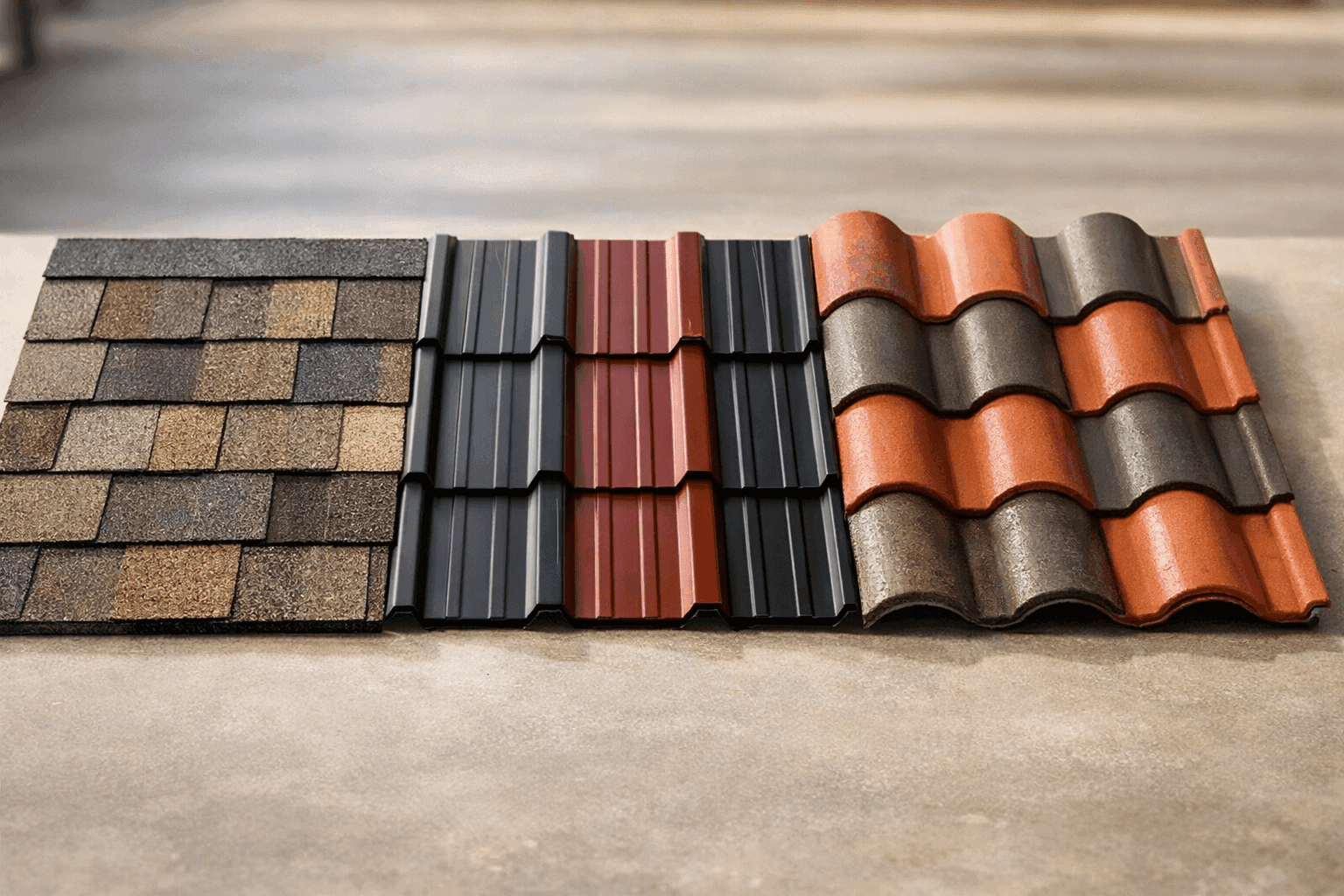
Roofs aren’t just shingles slapped on wood. They’re systems—each material with its own strengths and quirks. Here’s a snapshot of the most popular options you'll encounter:
- Asphalt Shingles: The bread and butter of American homes. Easy to install. Widely available. Reliable for most climates.
- Metal Roofing: Sleek, modern, and increasingly common for both homes and businesses. Comes in panels or shingles, with finishes from steel to aluminum.
- Tile Roofing: Clay or concrete tiles bring old-world charm and serious longevity. Heavy, but beautiful.
- Specialty Materials: Think slate, eco-friendly composite, or even green/living roofs on flat structures. Each with unique traits and challenges.
Choosing between them isn’t just about curb appeal. It’s about weather, weight, safety codes, and your own long-term plans.
Pros and Cons: Shingle, Metal, Tile, and More
Asphalt Shingles
Pros:
- Affordable upfront cost.
- Quick installation—often just a few days.
- Wide color and texture selection.
- Easy to repair.
Cons:
- Shorter lifespan (typically 15–30 years).
- May not hold up in extreme heat or dramatic temperature swings.
- Prone to algae or moss in humid climates.
Metal Roofing
Pros:
- Exceptional longevity (40–70 years).
- Fire, wind, and hail resistance.
- Reflects solar heat, lowering cooling bills.
- Lightweight compared to tile.
Cons:
- Higher material and installation costs.
- Can be noisy in heavy rain unless insulated.
- May dent from severe hail.
Tile Roofing
Pros:
- Lasts 50–100 years if maintained.
- Outstanding for hot, dry climates.
- Resistant to rot and insects.
- Classic, high-end appearance.
Cons:
- Heavy—may need structural reinforcement.
- Fragile under foot traffic or falling branches.
- More expensive to purchase and install.
Specialty and Eco-Friendly Options
- Slate: Natural stone, unmatched longevity (up to 150 years), but very heavy and costly.
- Green/Living Roofs: Great for flat roofs, boosts insulation and stormwater control, but requires specialized care.
- Synthetic/Composite: Mimics wood or slate, lighter, often eco-friendly, but quality varies by brand.
Durability and Lifespan
If a roof were a marathon runner, you’d want to know how far it can go before giving out. Here’s what to expect:
- Asphalt Shingles: 15–30 years, with regular maintenance. Extended warranties can push this higher, but check the fine print.
- Metal Roofing: 40–70 years, depending on the metal and finish. Many manufacturers back their materials with 30–50 year warranties.
- Tile Roofing: 50+ years is common—sometimes a century or more, especially with clay.
- Slate: 75–150 years, but only if the structure can handle the weight.
Keep in mind, real-world results depend on weather, ventilation, and maintenance. The National Roofing Contractors Association (NRCA) recommends annual inspections—especially after storms—to catch issues before they snowball.
Aesthetic Considerations
Roofs frame your home or business. They set the tone, boost curb appeal, and can even sway resale value.
- Asphalt Shingles: Nearly endless color choices. Available in standard 3-tab or more dimensional "architectural" styles.
- Metal Roofing: Modern, crisp lines. Comes in standing seam panels, corrugated sheets, or even metal tiles that mimic slate or shake.
- Tiles: From Mediterranean red clay to sleek concrete, tiles offer a timeless, high-end look—especially on stucco or stone buildings.
- Specialty Materials: Slate gives a historic, stately feel. Green roofs add literal greenery, blending buildings into the landscape.
Don’t forget local codes and HOA rules. Some materials or colors may be restricted in your neighborhood or commercial district.
Cost Comparison: Upfront and Over Time
Price tags can be deceiving. What’s cheap today may cost more in repairs and replacements down the road.
- Asphalt Shingles: $4–$8 per square foot installed. Low entry cost, but more frequent replacement.
- Metal Roofing: $8–$14 per square foot installed. Higher upfront, but can offset with energy savings and fewer replacements.
- Tile Roofing: $10–$20 per square foot installed. Costliest option, but the lifespan can justify the investment for long-term owners.
- Slate & Specialty: $15–$30+ per square foot installed. Often reserved for landmark projects or custom homes.
Tip: Always factor in the full package—labor, removal of old roofing, potential structural upgrades, and ongoing maintenance.
Quick Safety Checklist for Re-Roofing
Safety isn’t just for contractors. Before any work begins:
- Clear the attic and cover valuables.
- Secure pets and kids away from the work zone.
- Double-check your contractor’s insurance and licensing.
- Confirm compliance with local building codes (see the International Building Code and state-specific guidelines).
DIY vs. Professional Installation
Some repairs—like swapping a single shingle—are within reach for the handy. But full roof replacement or specialty installs? That’s a job for licensed professionals.
- Why: Proper flashing, ventilation, and underlayment are easy to botch.
- What Pros Bring: Equipment, experience, and safety training.
- Risks of DIY: Voided warranties, safety hazards, code violations, and hidden leaks.
If in doubt, it pays to call a pro.
How the Pros Tackle a Roof Replacement
Here’s what you can expect from a seasoned crew:
- Full inspection to spot hidden trouble (decking, ventilation, flashing).
- Carefully remove old roofing, disposing of materials responsibly.
- Prep the surface, replace damaged decking, and install moisture barriers.
- Lay down the new materials with precision—no shortcuts.
- Final cleanup and detailed inspection, inside and out.
Each step matters. A shortcut now can mean a leak later.
Maintenance & Preventative Tips
Whichever material you choose, a little care goes a long way.
- Clear gutters and downspouts twice a year.
- Trim overhanging branches to prevent debris and impact damage.
- Inspect for popped nails, cracked tiles, or missing shingles after storms.
- Schedule professional inspections—especially for commercial roofs or older structures.
Pro tip: Address small leaks or loose flashing right away. Water has a sneaky way of making small problems big.
Signs It’s Time to Replace Your Roof
Not sure if you need a new roof or just a repair? Watch for these telltale signs:
- Curling, cracked, or missing shingles.
- Rust streaks or discoloration on metal panels.
- Broken or sliding tiles.
- Granules piling up in gutters (a sign of shingle wear).
- Daylight visible through the attic.
- Persistent leaks, even after patching.
If you spot several of these, replacement is likely the safer bet. The roof-replacement process can also reveal hidden water or structural issues, so addressing it promptly protects your investment.
When It’s an Emergency
Storms don’t check your calendar. Wind, hail, or fallen branches can tear open any roof—shingle, metal, or tile. In an emergency:
- Cover exposed areas with a tarp if safe to do so.
- Photograph damage for your insurance records.
- Reach out to a professional as soon as possible.
For those in need of fast response, our crews regularly work with property owners in York and the surrounding region to secure buildings and guide you through the next steps.
Seasonal Considerations
Climate plays a huge role in material performance:
- Winter: Freeze-thaw cycles can crack tiles or pop nails in shingles. Metal roofs shed snow fast, but ice damming can still occur without proper insulation.
- Summer: Asphalt shingles may fade or curl in intense heat. Metal reflects sun, keeping interiors cooler.
- Storm Season: Heavy rain tests flashing and seams. Wind can lift poorly-secured materials. Annual inspections are crucial before and after harsh weather.
Commercial vs. Residential: What Changes?
Business roofs face unique stress—larger spans, heavier equipment, or foot traffic. Here’s how choices shift:
- Flat Roofs: Often use membrane systems or specialty coatings, but metal and tile are options for pitched sections.
- Aesthetics: Commercial properties lean towards durability and efficiency, but curb appeal still matters for customer-facing buildings.
- Maintenance: Larger roofs mean more at stake if leaks develop. Proactive care and timely repairs are vital.
Common Mistakes to Avoid
- Skipping ventilation—traps heat and moisture, shortening lifespan.
- Installing new over old—can hide rot and void warranties.
- Ignoring flashing details—where most leaks start.
- Choosing based on price alone—false savings if constant repairs follow.
Timeline and Disruption
Replacement timelines vary:
- Shingle roofing: 1–3 days for most homes.
- Metal or tile: 3–7 days, depending on structure and weather.
- Large or complex roofs: May take longer, especially if decking or structural repairs are needed.
Expect some noise, dust, and debris. Good crews minimize disruption and keep you informed each step.
FAQs
Q: Can I mix materials (e.g., shingle and metal)?
A: Yes, in some designs for accent or function. Always confirm structural compatibility and warranty coverage.
Q: Are permits required?
A: Most localities require permits for full roof replacements—check with your contractor or local building office.
Q: How do I know if my warranty is valid?
A: Manufacturer warranties cover materials, often 20–50 years for metal or tile. Workmanship warranties vary—keep all paperwork.
The Bottom Line on Roofing Material Choices
No single material is “best” for everyone. Asphalt shingle roofing near you might be practical and budget-friendly. Metal excels in longevity and low maintenance. Tile brings timeless style and endurance. Specialty options fill unique needs for both homes and businesses.
A well-chosen roof does more than keep out the rain. It adds value, comfort, and peace of mind for years to come. If you’re weighing your options, the Shindo Trust Roofing team is here to answer questions and walk you through the process—step by step.
Call Shindo Trust Roofing now — or reach us anytime at 888-698-1884 .