Roofing for New Construction: Step-by-Step Process
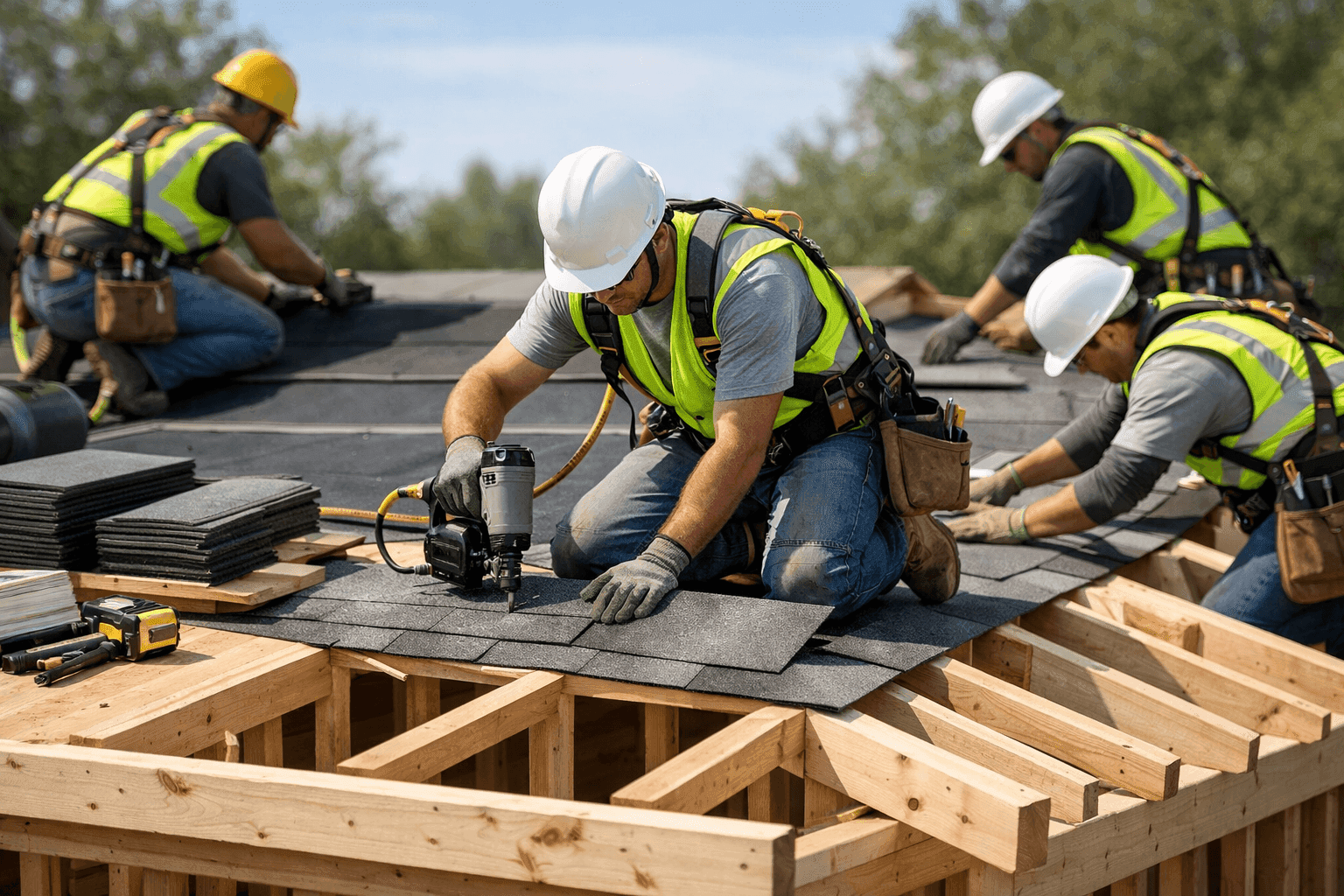
Building a new home or commercial space is exciting—and a little overwhelming. The roof is more than just a cap on your investment. It’s the shield, the umbrella, the guardian that stands between you and the elements.
At Shindo Trust Roofing, we know that a well-built roof is the result of careful planning, strong coordination, and a clear process. If you’re facing a new build, understanding each step in the roofing journey can help you avoid costly mistakes and delays.
Planning and Design: Laying the Groundwork
Every sturdy roof starts with a blueprint. The planning phase isn’t just about picking colors or styles. It’s about understanding the building’s needs, the local climate, and the unique goals for the space.
- Load Calculations: Roofs bear more than rain and snow. They support equipment, insulation, and sometimes even solar panels. Structural engineers and architects work closely to ensure the decking and frame are up for the job.
- Architectural Harmony: The roof should suit the style of the building, whether you’re after a modern flat look or a classic pitched profile.
- Ventilation and Insulation: Proper airflow keeps energy bills down and mold at bay. Early design choices here can prevent headaches later.
- Drainage Planning: Gutters, downspouts, and slopes are mapped out to move water away from the foundation.
Early decisions set the tone for the entire project. That’s why builder-roofer coordination is like a well-rehearsed dance—every step impacts the next.
Building Codes and Compliance: The Rulebook
No roof stands alone. Building codes are the referee, ensuring every material and method meets safety, fire, and wind standards. The International Building Code (IBC) and International Residential Code (IRC) are the main guides, but local rules can add extra layers.
- Permits: Skipping permits can mean fines or even forced tear-downs.
- Fire Ratings: Materials must meet minimum fire resistance.
- Wind and Snow Loads: Requirements change by region—what works in one state may not fly in another.
- Energy Codes: Insulation and cool-roof standards are increasingly common.
A professional roofer will review these codes before a single shingle is set. That’s why new construction roofing should always be handled by a team that keeps up with evolving regulations.
Scheduling: Timing is Everything
Roofing doesn’t happen in a vacuum. It’s linked to framing, HVAC, and even landscaping. Miss a beat, and the whole project can stall.
- Weather Windows: Rain, wind, or freezing temps can delay installation.
- Material Lead Times: Specialty shingles or metal panels might need to be ordered weeks in advance.
- Inspections: City or county checks may be required before moving to the next phase.
Good project management means fewer surprises. At Shindo Trust Roofing, we coordinate with builders, electricians, and inspectors to keep the timeline on track.
Material Selection: More Than Just Shingles
Choosing roofing materials is like picking the right armor for your building. Each option brings strengths and trade-offs:
- Shingle Roofing: Affordable and versatile, ideal for most homes.
- Metal Roofing: Long-lasting and energy efficient, great for both residential and commercial projects.
- Tile Roofing: Durable and stylish, but heavier—requires extra support.
- Flat Roof Systems: Used for modern designs and commercial buildings.
- Eco-Friendly Options: Cool roofs, recycled materials, and living roofs are gaining popularity.
Don’t forget the underlayers—decking, insulation, and waterproof membranes are the unsung heroes beneath every roof.
Installation Process: Step by Step 🛠️
Here’s a look at what to expect once the boots hit the roof:
- Decking Installation: The plywood or oriented strand board (OSB) forms the base. It must be level, dry, and securely fastened.
- Waterproofing: Underlayment and ice-and-water shields are rolled out to protect against leaks.
- Flashing and Edges: Metal strips seal joints and valleys—critical for keeping water out.
- Material Placement: Shingles, tiles, or panels are installed according to manufacturer specs. Overlaps, nailing patterns, and spacing matter.
- Ventilation and Skylights: Roof vents, attic fans, or skylight frames are added as needed.
- Gutters and Downspouts: Installed to channel water away from the building.
- Final Sealants and Coatings: These guard against UV, wind, and moisture.
Every phase is checked and double-checked. Quality control is not a one-time event—it’s woven through the entire process.
Builder-Roofer Coordination: The Secret Ingredient
Imagine building a puzzle with missing pieces. That’s what happens when the roofer and builder aren’t in sync.
- Structural Alignment: Trusses and rafters must match the roofing plan.
- Timing: Roofing can’t begin until framing is complete, but delays on one side ripple through the schedule.
- Problem Solving: Unexpected issues—like a misaligned skylight or a vent in the wrong spot—are resolved faster when both teams talk early and often.
Strong communication keeps surprises to a minimum and ensures the roof fits perfectly, both functionally and visually.
Quick Safety Checklist: What Pros Never Skip
Safety isn’t just a box to tick. It’s the foundation of every job site.
- Hard hats and harnesses for everyone on the roof
- Fall barriers and warning lines for steep slopes
- Weather monitoring to avoid slippery surfaces
- Daily cleanup to prevent trips and falls
Following OSHA roofing safety standards isn’t optional—it’s essential.
Common Mistakes in New Construction Roofing
Even the best plans can go sideways. Watch for these common pitfalls:
- Skipping the Underlayment: This layer is the last defense against leaks.
- Improper Flashing: Tiny gaps can cause big water problems.
- Poor Ventilation: Trapped moisture leads to rot and mold.
- Rushing the Job: Going too fast can mean missed nails or crooked rows.
A careful, step-by-step approach prevents most headaches down the road.
Timeline & Disruption: What to Expect
Roofing a new build isn’t an overnight job. Here’s a rough outline:
- Day 1-2: Decking and waterproofing
- Day 3-5: Material installation and flashing
- Day 6: Ventilation, skylights, and finishing touches
Weather and complexity can stretch this timeline. Good communication keeps everyone in the loop.
Costs & Time Factors: Budgeting for the Roof
Several factors shape the final price:
- Material Choice: Shingles are budget-friendly; metal and tile cost more upfront but last longer.
- Roof Size and Pitch: Bigger, steeper roofs take more time and materials.
- Complexity: Multiple valleys, skylights, or chimneys add labor.
Always build in a buffer for surprises—hidden rot or last-minute changes can affect both cost and schedule.
Prevention & Maintenance: Starting Off Right
A new roof should last for decades, but only with proper care:
- Schedule annual inspections, especially after storms
- Keep gutters and downspouts clear
- Watch for missing shingles or loose flashing
Preventative maintenance is easier when the roof is designed for it from the start.
Final Inspection: The Last Hurdle 🔍
Before you move in, a final inspection checks:
- All materials are installed per code and manufacturer specs
- Flashing and sealants are watertight
- Ventilation and insulation are in place
- Gutters and downspouts are secure
Local inspectors may have their own checklist. Passing this review means your roof is ready for the long haul.
When It’s an Emergency: Fast-Track Solutions
Sometimes, weather or construction delays force a quick fix. Emergency tarping or temporary waterproofing can buy time until conditions improve. If you need roofing services in Broomfield during a crunch, help is available for urgent projects.
Seasonal Considerations: Timing Your Build
Spring and fall are prime times for roofing—mild weather and fewer downpours. Summer heat can make materials tricky to handle, while winter brings ice and delays. Plan your schedule with the seasons in mind for smoother progress.
DIY vs. Pro: Why Experience Matters
Some parts of construction invite DIY spirit. Roofing isn’t one of them. The risks—falls, leaks, code violations—are too great. A professional team brings the right tools, safety gear, and know-how to get the job done right the first time.
FAQ: Your New Construction Roofing Questions Answered
Q: How long does new construction roofing take?
A: Most projects wrap up in a week, but weather and complexity matter.
Q: Can I change materials partway through?
A: It’s possible, but can cause delays and extra costs. Decide early if you can.
Q: What’s the best material for my building?
A: It depends on your budget, style, and energy needs. We’ll walk you through the options.
Q: How do I keep my new roof in top shape?
A: Regular inspections, clean gutters, and prompt repairs are key.
Building for the Future
A new roof is a major investment, but it’s also a fresh start. With careful planning, strong builder-roofer teamwork, and attention to detail, your new construction project can weather any storm.
Ready to start your new construction roofing journey? Shindo Trust Roofing is here to guide you every step of the way.
Call Shindo Trust Roofing now — or reach us anytime at 888-698-1884 .